EN
EN


Η κατασκευή ενός εγκεκριμένου εργοστασίου εμφιάλωσης νερού απαιτεί προσεκτικό σχεδιασμό και τον κατάλληλο εξοπλισμό για να διασφαλιστεί η ποιότητα των προϊόντων από την πηγή μέχρι το ράφι. Για αγοραστές B2B, ιδιαίτερα για διευθυντές αγορών και μηχανικούς, οι βασικές ανησυχίες περιλαμβάνουν την τήρηση των προτύπων υγείας, την αποδοτικότητα των διαδικασιών παραγωγής και την αξιοπιστία των μηχανημάτων. Αυτό το άρθρο θα σας καθοδηγήσει στις απαραίτητες πτυχές της επιλογής εξοπλισμού, των διαδικασιών ελέγχου ποιότητας, των συνηθέστερων προκλήσεων, των επιλογών χονδρικής παραγγελίας και της εφαρμογής προηγμένων τεχνολογιών στα εργοστάσια εμφιάλωσης νερού.
Πώς να επιλέξετε τον κατάλληλο εξοπλισμό εργοστασίου εμφιάλωσης νερού για τις ανάγκες σας;
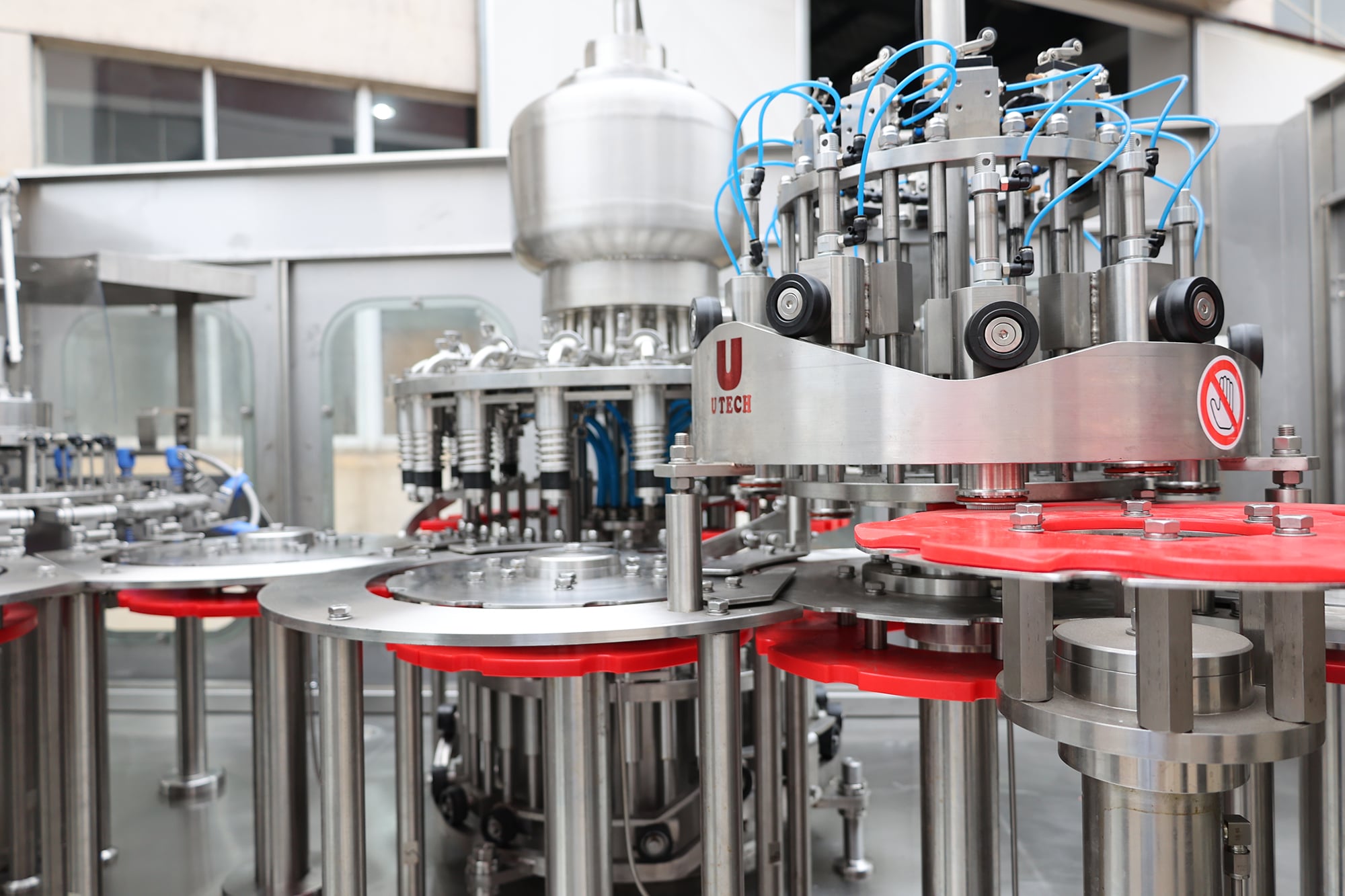
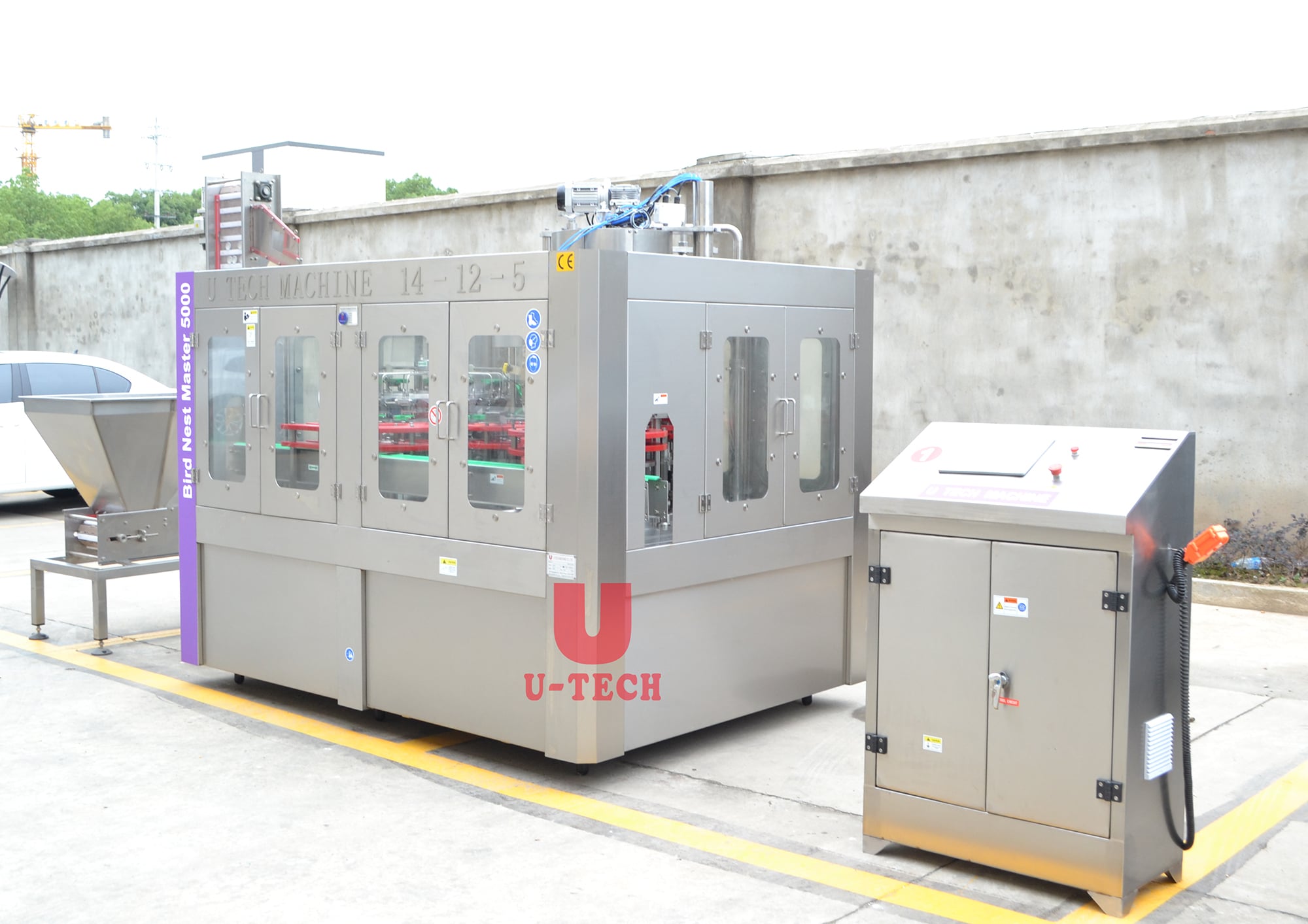
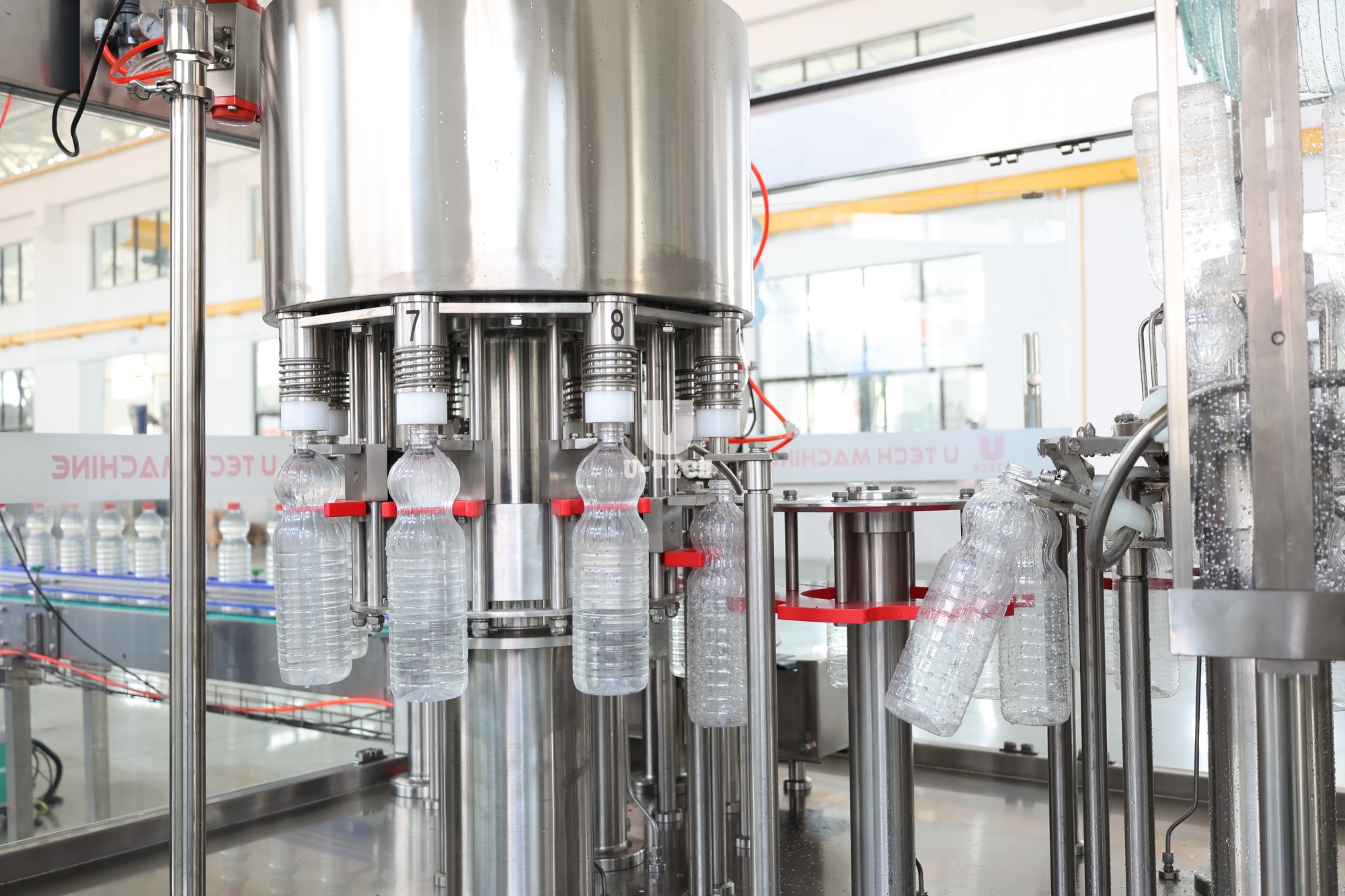
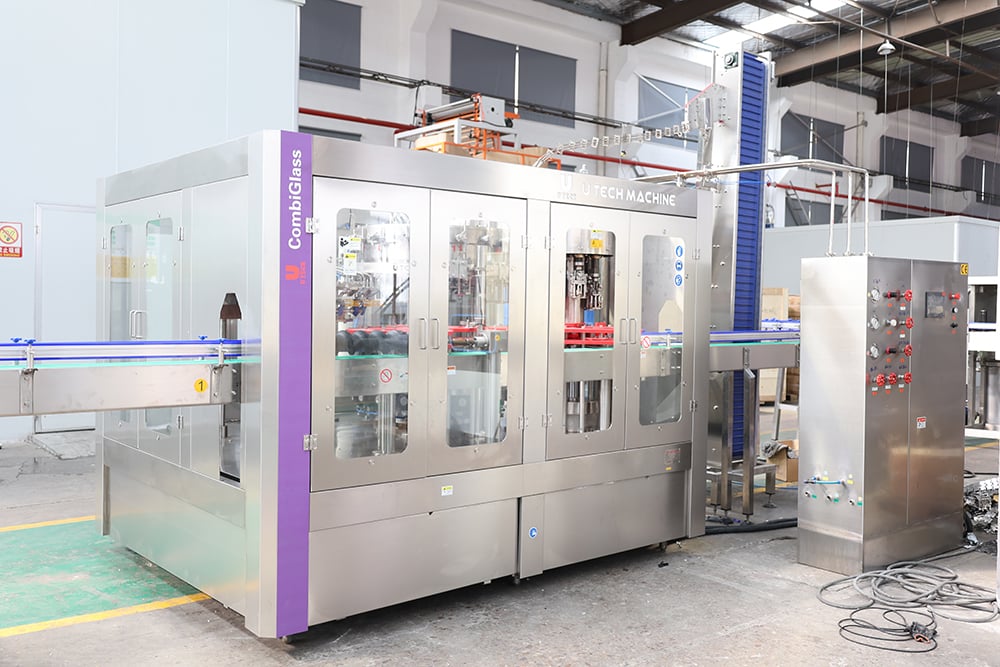
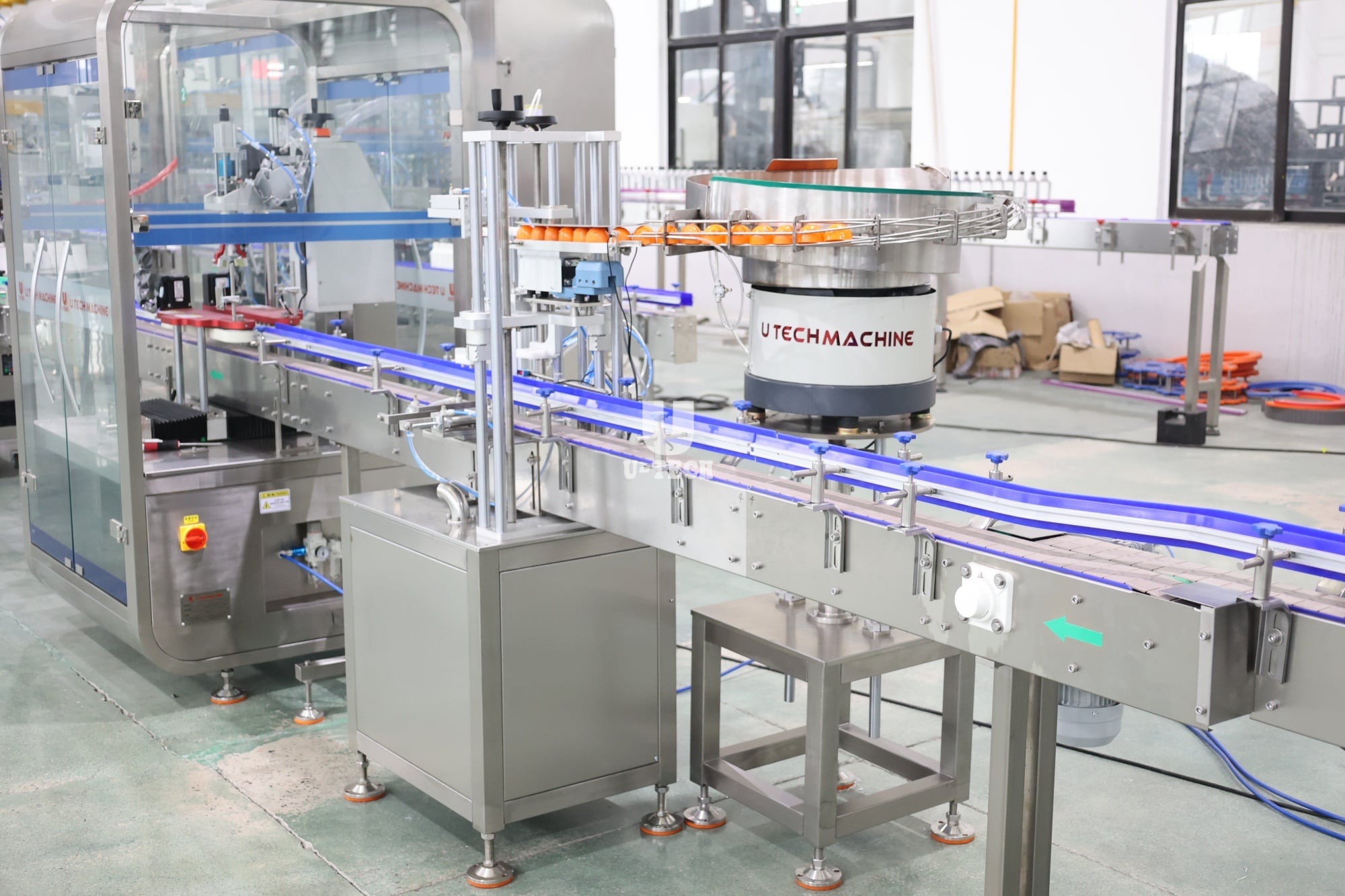
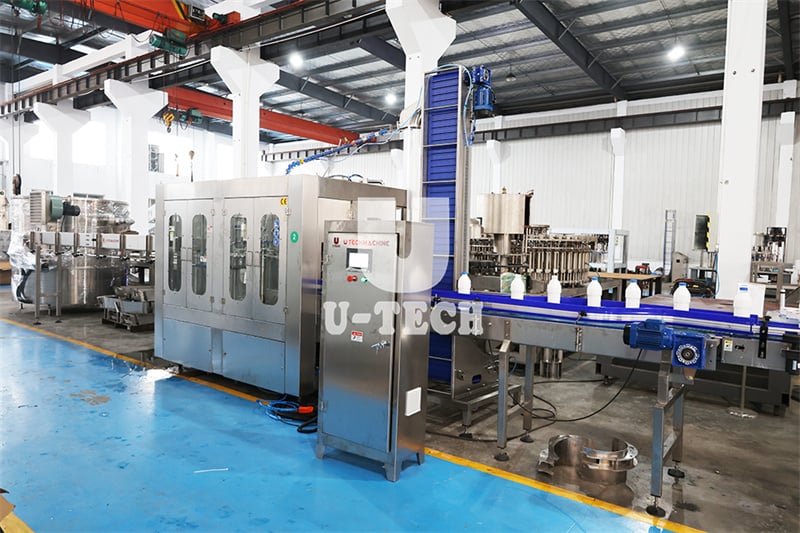
Η επιλογή του κατάλληλου εξοπλισμού για το εργοστάσιό σας εμφιάλωσης νερού είναι κρίσιμη για την επίτευξη των στόχων παραγωγής, ενώ ταυτόχρονα τηρούνται οι ρυθμιστικές προδιαγραφές. Ξεκινήστε αξιολογώντας τις απαιτήσεις σας όσον αφορά την ικανότητα παραγωγής. Αυτό συνεπάγεται την κατανόηση του όγκου νερού που προτίθεστε να εμφιαλώσετε καθημερινά και του χρονοδιαγράμματος για τη διεύρυνση των λειτουργιών σας. Οι βασικοί τύποι εξοπλισμού που πρέπει να λάβετε υπόψη περιλαμβάνουν μηχανήματα υγρής γεμίσεως, συστήματα φυσήματος PET μπουκαλιών, μηχανήματα ετικέτων και συστήματα επεξεργασίας νερού. Καθένα από αυτά τα στοιχεία διαδραματίζει ζωτικό ρόλο στη διασφάλιση ενός αδιάκοπου διαδικαστικού κύκλου εμφιάλωσης. Για παράδειγμα, τα μηχανήματα υγρής γεμίσεως πρέπει να είναι συμβατά με την ιξώδες του κόστος εγκατάστασης διαβούλιασης νερού και σχεδιασμένος για τους τύπους δοχείων που θα χρησιμοποιήσετε. Επιπλέον, λάβετε υπόψη τις δυνατότητες προσαρμογής του εξοπλισμού. Οι προσαρμοστικές λύσεις μπορούν να αυξήσουν την αποδοτικότητα και να μειώσουν τον χρόνο αδράνειας κατά την παραγωγή. Διασφαλίστε ότι ο προμηθευτής σας, όπως η Zhangjiagang U Tech Machine Co., Ltd., προσφέρει ολοκληρωμένες υπηρεσίες από τη διάταξη του εργοστασίου μέχρι την εκπαίδευση των χειριστών, κάτι που μπορεί να είναι ανεκτίμητο για την εγκατάσταση νέων εργοστασίων.
Αξιολόγηση του ελέγχου ποιότητας στις διαδικασίες εμφιάλωσης νερού
Ο έλεγχος ποιότητας είναι καθοριστικής σημασίας στη διαδικασία εμφιάλωσης νερού, προκειμένου να διασφαλιστεί ότι το τελικό προϊόν πληροί τους κανονισμούς υγείας και ασφάλειας. Η εφαρμογή ενός αυστηρού συστήματος ελέγχου ποιότητας περιλαμβάνει διάφορα στάδια, από τον έλεγχο της πηγής του νερού μέχρι την τελική επιθεώρηση των εμφιαλωμένων προϊόντων. Επενδύστε σε αυτοματοποιημένα συστήματα ελέγχου ποιότητας που μπορούν να παρακολουθούν κρίσιμες παραμέτρους, όπως τα επίπεδα γεμίσματος, την ακεραιότητα των καπακιών και την ακρίβεια των ετικετών. Αυτή η τεχνολογία όχι μόνο βελτιώνει την αποδοτικότητα, αλλά μειώνει επίσης τα λάθη του ανθρώπου. Η τακτική συντήρηση και βαθμονόμηση αυτών των συστημάτων είναι απαραίτητη για τη διατήρηση της αποτελεσματικότητάς τους. Επιπλέον, αναπτύξτε ένα πρόγραμμα εγγύησης ποιότητας που περιλαμβάνει τακτικούς ελέγχους των διαδικασιών και του εξοπλισμού σας. Η εκπαίδευση του προσωπικού σας σχετικά με τα πρότυπα και τις διαδικασίες ποιότητας μπορεί επίσης να ελαχιστοποιήσει τους κινδύνους που συνδέονται με τη μόλυνση ή με λάθη κατά την εμφιάλωση.
Συνηθισμένα προβλήματα σε εργοστάσια εμφιάλωσης νερού και αποτελεσματικές λύσεις
Μπορούν να προκύψουν αρκετές προκλήσεις κατά τη λειτουργία ενός εργοστασίου εμφιάλωσης νερού. Συνηθισμένα προβλήματα περιλαμβάνουν βλάβες εξοπλισμού, παραβιάσεις συμμόρφωσης και διαταραχές στην αλυσίδα εφοδιασμού. Για να μειωθούν τα προβλήματα με τον εξοπλισμό, πρέπει να καθοριστεί ένα πρόγραμμα τακτικής συντήρησης. Αυτή η προληπτική προσέγγιση μπορεί να αποτρέψει απρόσμενες διακοπές λειτουργίας και να επεκτείνει τη διάρκεια ζωής των μηχανημάτων σας. Η καταγραφή των δραστηριοτήτων συντήρησης μπορεί επίσης να παρέχει ενδείξεις για επαναλαμβανόμενα προβλήματα, επιτρέποντάς σας να τα αντιμετωπίσετε αποτελεσματικά. Οι παραβιάσεις συμμόρφωσης οφείλονται συχνά σε ανεπαρκή εκπαίδευση ή σε ξεπερασμένο εξοπλισμό. Τακτικές σεμιναριακές εκπαιδευτικές δραστηριότητες για τους εργαζομένους και η επένδυση σε σύγχρονο τιμή εγκατάστασης μεταποίησης νερού που ανταποκρίνεται στις ισχύουσες ρυθμίσεις μπορούν να προστατεύσουν από αυτά τα προβλήματα. Οι διαταραχές στην αλυσίδα εφοδιασμού μπορούν συχνά να αντιμετωπιστούν με την ανάπτυξη σχέσεων με πολλαπλούς προμηθευτές. Αυτή η στρατηγική διασφαλίζει ότι θα έχετε εναλλακτικές επιλογές για πρώτες ύλες και εξαρτήματα που είναι κρίσιμα για τη διαδικασία παραγωγής σας.
Σύγκριση επιλογών εργοστασίων εμφιάλωσης νερού για παραγγελίες μεγάλης κλίμακας
Κατά την εξέταση μεγάλων παραγγελιών για εξοπλισμό εμφιάλωσης νερού, λαμβάνονται υπόψη διάφοροι παράγοντες, όπως οι τιμές, οι χρόνοι παράδοσης και οι δυνατότητες προσαρμογής. Είναι σημαντικό να συλλέξετε προσφορές από πολλούς προμηθευτές και να συγκρίνετε όχι μόνο το αρχικό κόστος, αλλά και το συνολικό κόστος κατοχής, το οποίο περιλαμβάνει συντήρηση, εκπαίδευση και πιθανές αναβαθμίσεις. Αξιολογήστε τις ελάχιστες ποσότητες παραγγελίας (MOQs) που απαιτούν οι προμηθευτές. Η κατανόηση των MOQs θα σας βοηθήσει στον προγραμματισμό του προϋπολογισμού και της διαχείρισης αποθεμάτων. Επιπλέον, αξιολογήστε τους χρόνους παράδοσης και εγκατάστασης, καθώς αυτοί μπορούν να επηρεάσουν σημαντικά το χρονοδιάγραμμα του έργου σας. Εάν οι ανάγκες παραγωγής σας ενδέχεται να αλλάξουν, εξετάστε προμηθευτές που προσφέρουν ευέλικτες λύσεις οι οποίες μπορούν να προσαρμοστούν με την πάροδο του χρόνου. Αυτή η ευελιξία μπορεί να εξοικονομήσει κόστος στο μέλλον, αποφεύγοντας την ανάγκη πλήρους αναδιοργάνωσης της γραμμής εμφιάλωσής σας.
Εφαρμογές προηγμένων τεχνολογιών σε εγκαταστάσεις εμφιάλωσης νερού
Η ενσωμάτωση προηγμένων τεχνολογιών σε εγκαταστάσεις εμφιάλωσης νερού μπορεί να οδηγήσει σε σημαντικές βελτιώσεις της απόδοσης και της ποιότητας του προϊόντος. Για παράδειγμα, η χρήση συσκευών IoT (Internet of Things) επιτρέπει την παρακολούθηση σε πραγματικό χρόνο των διαδικασιών παραγωγής, καθιστώντας δυνατές γρήγορες προσαρμογές και ελαχιστοποιώντας τις απώλειες. Η αυτοματοποίηση των διαδικασιών γεμίσματος και συσκευασίας μειώνει το κόστος εργασίας και αυξάνει την ακρίβεια. Τα έξυπνα αισθητήρια μπορούν να βοηθήσουν στην παρακολούθηση της ποιότητας του νερού και στην ανίχνευση οποιασδήποτε ανωμαλίας κατά τη διαδικασία εμφιάλωσης, διασφαλίζοντας τη συμμόρφωση με τα πρότυπα υγείας. Επιπλέον, ληφθείτε υπόψη ο ρόλος των προηγμένων τεχνολογιών επεξεργασίας νερού, όπως η αντίστροφη όσμωση και η απολύμανση με UV. Αυτές οι μέθοδοι εξαλείφουν αποτελεσματικά τους ρύπους, διασφαλίζοντας ότι το νερό πληροί τις αυστηρές απαιτήσεις ασφαλείας πριν φτάσει στο στάδιο της εμφιάλωσης. building a compliant εγκατάσταση ασβεστηματος νερού απαιτεί προσεκτική επιλογή εξοπλισμού, αυστηρές διαδικασίες ελέγχου ποιότητας και την ικανότητα προσαρμογής σε προκλήσεις. Με την εστίαση σε αυτούς τους βασικούς τομείς και την αξιοποίηση προηγμένων τεχνολογιών, μπορείτε να διασφαλίσετε μια επιτυχημένη λειτουργία που να καλύπτει τις απαιτήσεις της σημερινής αγοράς.
Περιεχόμενα
- Πώς να επιλέξετε τον κατάλληλο εξοπλισμό εργοστασίου εμφιάλωσης νερού για τις ανάγκες σας;
- Αξιολόγηση του ελέγχου ποιότητας στις διαδικασίες εμφιάλωσης νερού
- Συνηθισμένα προβλήματα σε εργοστάσια εμφιάλωσης νερού και αποτελεσματικές λύσεις
- Σύγκριση επιλογών εργοστασίων εμφιάλωσης νερού για παραγγελίες μεγάλης κλίμακας
- Εφαρμογές προηγμένων τεχνολογιών σε εγκαταστάσεις εμφιάλωσης νερού