EN
EN


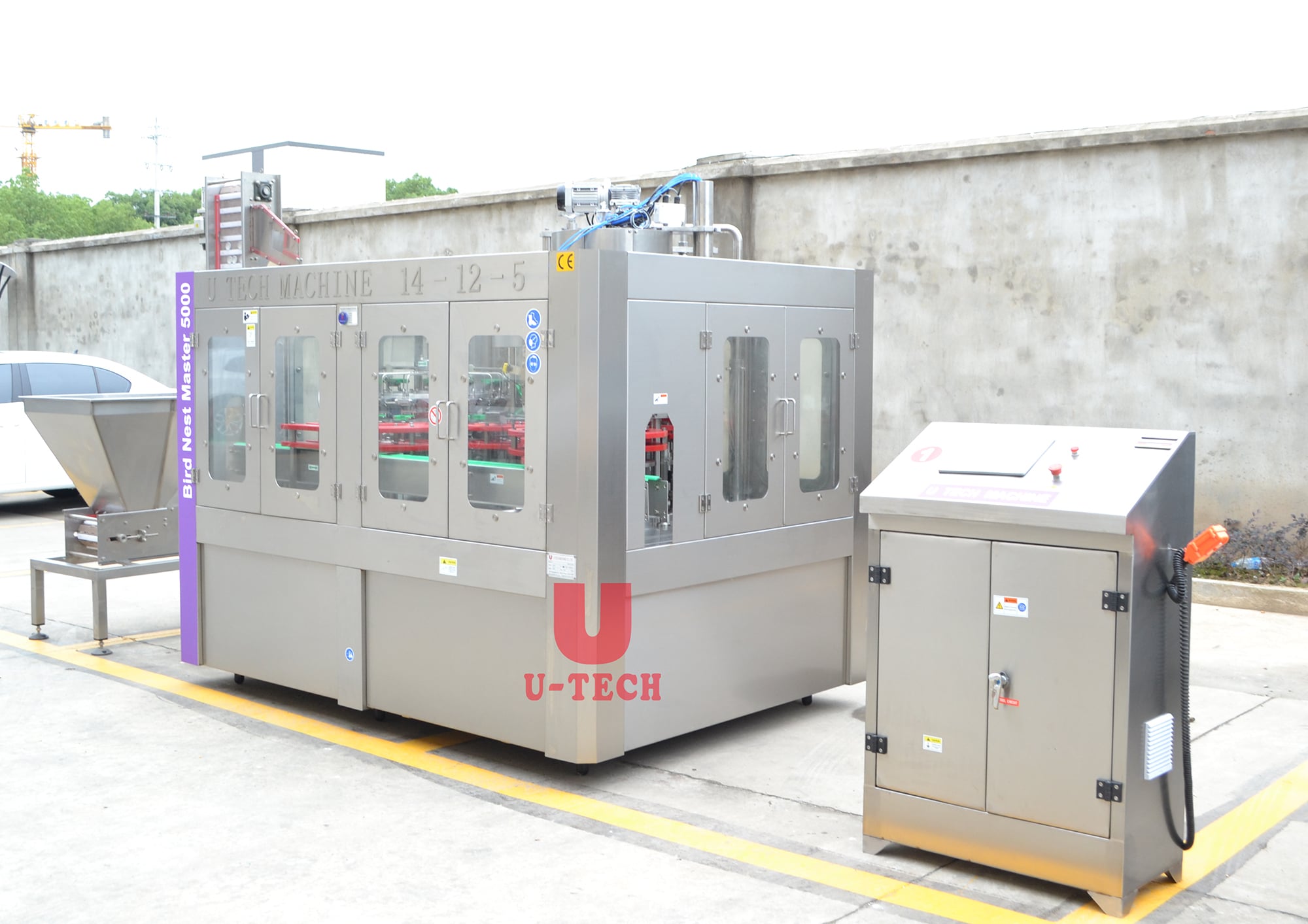
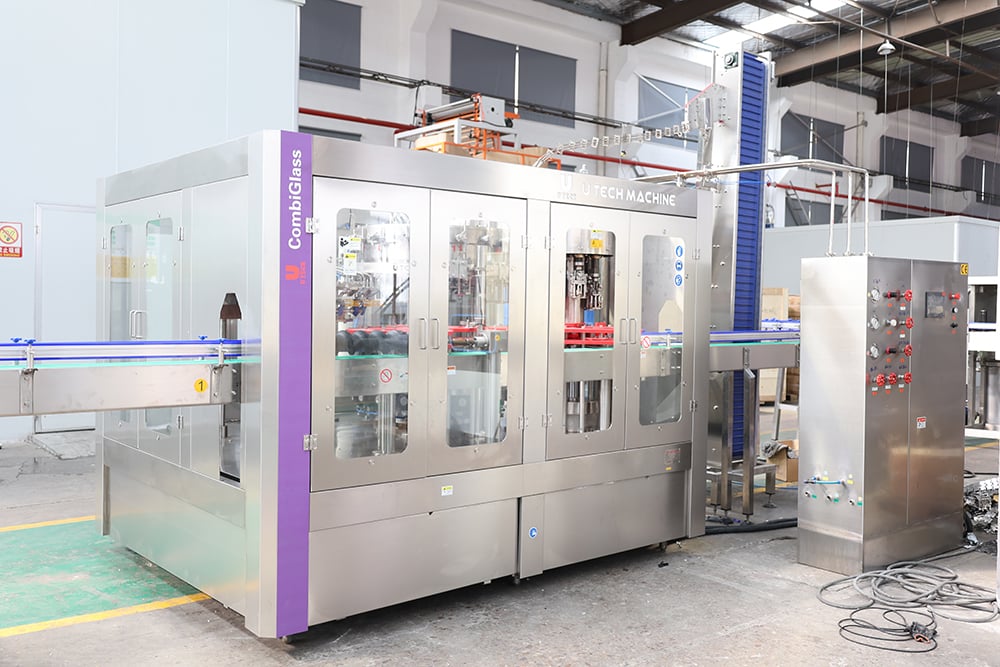
Κατά την επιλογή μιας εξελιγμένης μηχανής αναπλήρωσης νερού, είναι κρίσιμο να κατανοήσετε τα πρότυπα υγιεινής που διέπουν το σχεδιασμό και τη λειτουργία της. Αυτά τα πρότυπα επηρεάζουν όχι μόνο την ποιότητα του εμφιαλωμένου νερού, αλλά εξασφαλίζουν επίσης τη συμμόρφωση με τους κανονισμούς υγείας, την αποτελεσματικότητα της λειτουργίας και την ασφάλεια του προϊόντος. Αυτό το άρθρο στοχεύει να αντιμετωπίσει συνηθισμένες ανησυχίες μεταξύ B2B αγοραστών, όπως η συμμόρφωση με τα πρότυπα υγιεινής, οι βασικές προδιαγραφές και οι πρακτικές εκτιμήσεις κατά την αγορά μιας μηχανή γεμάτσας νερού .
Οδηγός Αγοράς
Κατά την αξιολόγηση μηχανημάτων εμφιάλωσης νερού, οι αγοραστές πρέπει να δίνουν ιδιαίτερη προσοχή σε διάφορους βασικούς παράγοντες που επηρεάζουν την ποιότητα του προϊόντος και τη λειτουργική αξιοπιστία. Οι κύριες προδιαγραφές που πρέπει να ληφθούν υπόψη περιλαμβάνουν:
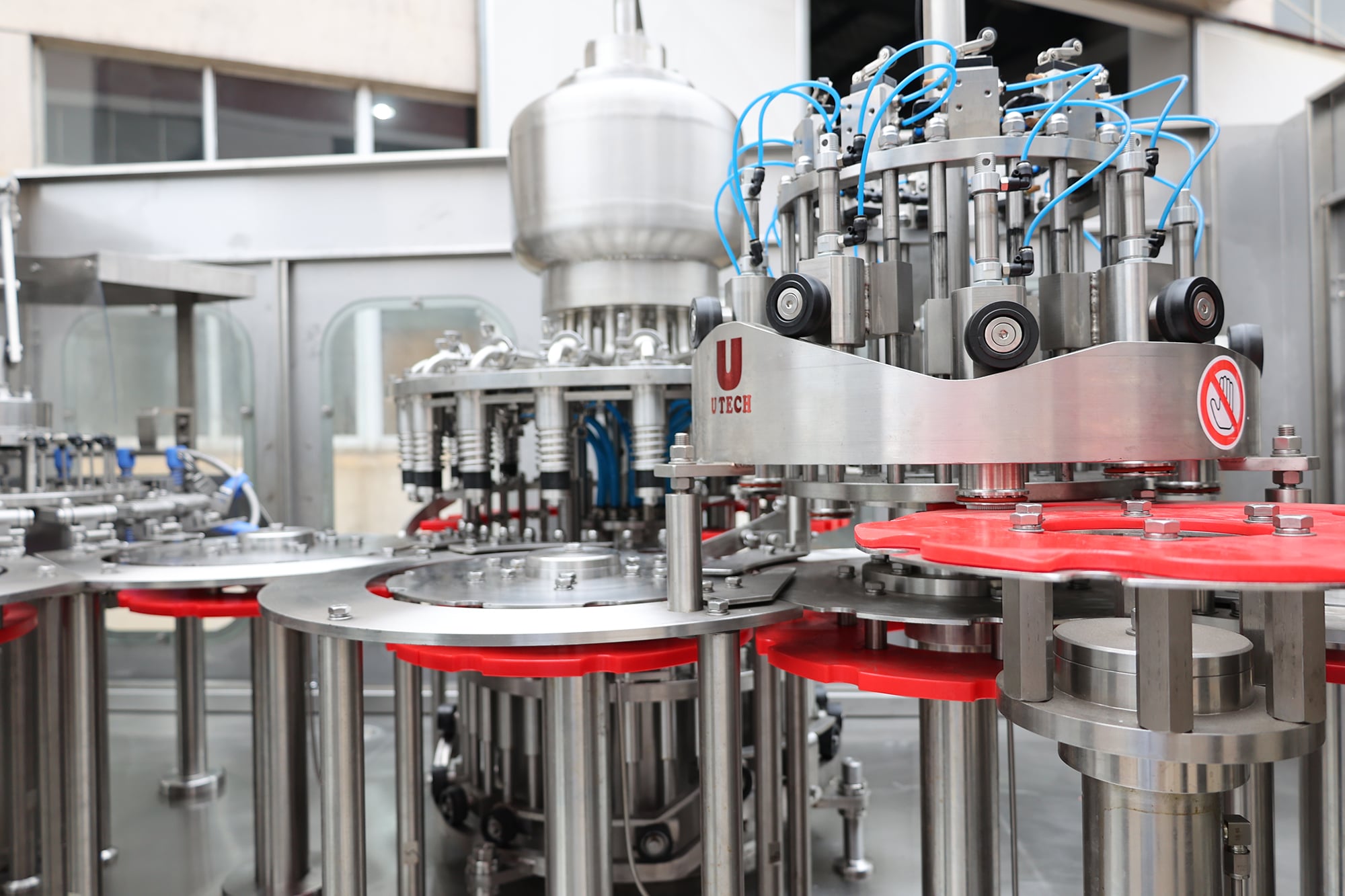
Ποιότητα υλικού : Τα μηχανήματα πρέπει να κατασκευάζονται από ανοξείδωτο χάλυβα τροφίμων για να ελαχιστοποιηθούν οι κίνδυνοι μόλυνσης. Υλικά ανθεκτικά στη διάβρωση είναι απαραίτητα για τη διατήρηση της υγιεινής και την εξασφάλιση μεγάλης διάρκειας ζωής.
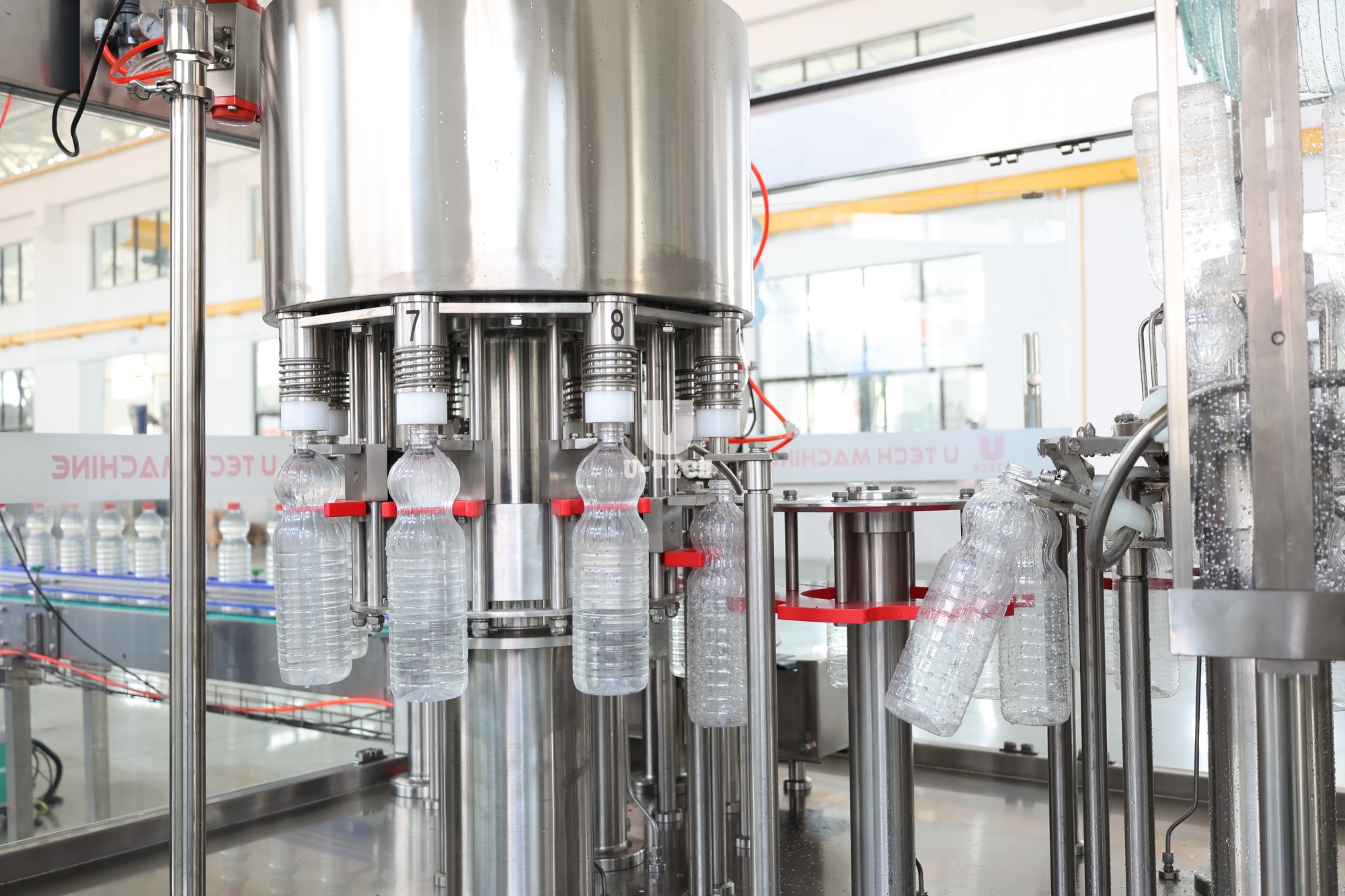
Τεχνολογία Γεμισμού : Διάφορες τεχνολογίες γεμίσματος (βαρύτητα, πίεση, κενό, κ.λπ.) έχουν διαφορετικές επιπτώσεις στην υγιεινή. Για παράδειγμα, το γέμισμα υπό πίεση μπορεί να μειώσει την έκθεση σε μολυσματικούς παράγοντες κατά τη διαδικασία γεμίσματος.
Επίπεδο Αυτοματισμού : Τα πλήρως αυτοματοποιημένα συστήματα μπορούν να βελτιώσουν την υγιεινή μειώνοντας την ανθρώπινη παρέμβαση, με αποτέλεσμα τη μείωση του κινδύνου μόλυνσης. Αναζητήστε μηχανήματα με προηγμένα συστήματα ελέγχου και παρακολούθησης.
Συμμόρφωση πιστοποίησης : Ελέγξτε τη συμμόρφωση με διεθνείς προδιαγραφές υγιεινής, όπως οι FDA, HACCP και ISO 22000. Τα μηχανήματα που πληρούν αυτές τις προδιαγραφές παρέχουν εγγύηση ποιότητας και ασφάλειας.
Απαιτήσεις συντήρησης οι μηχανές που σχεδιάζονται με εύκολο καθάρισμα και συντήρηση στο νου βοηθούν να διασφαλίζεται η συνεχής συμμόρφωση με τα πρότυπα υγιεινής. Λάβετε υπόψη χαρακτηριστικά όπως αφαιρούμενα εξαρτήματα και σημεία εύκολης πρόσβασης.
Η κατανόηση αυτών των πτυχών θα βοηθήσει να επιλέξετε μηχανή που όχι μόνο ικανοποιεί τις λειτουργικές απαιτήσεις, αλλά και συμμορφώνεται με τα απαραίτητα πρότυπα υγιεινής.
Συνηθισμένα προβλήματα με μηχανές εμφιάλωσης νερού και οι λύσεις τους
Οι μηχανές εμφιάλωσης νερού μπορούν να αντιμετωπίσουν αρκετά συνηθισμένα προβλήματα που ενδέχεται να επηρεάσουν την απόδοση και την υγιεινή. Παρακάτω αναφέρονται ορισμένα από τα τυπικά προβλήματα και οι συνιστώμενες λύσεις:
Ρισκα κονταμινάτσιον μη επαρκώς σχεδιασμένες μηχανή καταδεμάτωσης υδάτων μπορεί να φιλοξενούν μικροοργανισμούς. Οι τακτικές επιθεωρήσεις και η προληπτική συντήρηση είναι απαραίτητες. Διασφαλίστε ότι τα εξαρτήματα είναι εύκολα προσβάσιμα για καθάρισμα.
Ασταθή επίπεδα γεμίσματος η μεταβλητότητα στα επίπεδα γεμίσματος μπορεί να οδηγήσει σε προβλήματα ποιότητας προϊόντος. Η εφαρμογή συστήματος γεμίσματος με ακριβείς ελέγχους και αισθητήρες μπορεί να μειώσει αυτό το πρόβλημα.
Φθορά των σφραγίδων με την πάροδο του χρόνου, τα σφραγίσματα μπορεί να εξασθενήσουν, οδηγώντας σε διαρροές και πιθανή μόλυνση. Η τακτική αντικατάσταση των σφραγισμάτων, σε συνδυασμό με τη χρήση υψηλής ποιότητας υλικών, μπορεί να προλάβει αυτά τα προβλήματα.
Ελαττωματικοί αισθητήρες τα αυτοματοποιημένα συστήματα βασίζονται σε αισθητήρες για τη λειτουργική τους απόδοση. Η τακτική βαθμονόμηση και δοκιμή των αισθητήρων μπορεί να βοηθήσει να διασφαλιστεί ότι η μηχανή λειτουργεί σωστά και συμμορφώνεται με τα πρότυπα υγιεινής.
Με την κατανόηση αυτών των συνηθισμένων προβλημάτων και των λύσεών τους, οι αγοραστές μπορούν να προετοιμαστούν καλύτερα για πιθανές προκλήσεις και να αυξήσουν την αξιοπιστία των εγκαταστάσεων εμφιάλωσης νερού τους.
Πού να αγοράσετε εμπορικές μηχανές εμφιάλωσης νερού για την επιχείρησή σας;
Κατά την αγορά εμπορικών μηχανών εμφιάλωσης νερού, λάβετε υπόψη τις ακόλουθες εναλλακτικές πηγές:
Άμεσοι κατασκευαστές η άμεση συνεργασία με κατασκευαστές όπως η Zhangjiagang U Tech Machine Co., Ltd. μπορεί να παρέχει ενημέρωση σχετικά με τις δυνατότητες των μηχανών, τις δυνατότητες προσαρμογής και τις τιμές. Αυτή η προσέγγιση επιτρέπει συχνά καλύτερη διαπραγμάτευση των όρων και των προϋποθέσεων.
Διαφάνειες Εμπορίου η συμμετοχή σε εμπορικές εκθέσεις του κλάδου προσφέρει τη δυνατότητα να δείτε τις μηχανές σε λειτουργία, να συγκρίνετε διαφορετικά μοντέλα και να αναπτύξετε άμεσες επαφές με τους κατασκευαστές.
Ηλεκτρονικές αγορές οι πλατφόρμες που ειδικεύονται σε συναλλαγές B2B μπορούν επίσης να αποτελέσουν μια καλή πηγή. Αναζητήστε αξιόπιστους προμηθευτές με θετικές κριτικές και ιστορικό αξιοπιστίας.
Ενώσεις Βιομηχανίας το δίκτυο επαφών μέσω ενώσεων του κλάδου μπορεί να παρέχει πληροφορίες για αξιόπιστους κατασκευαστές και ενδείξεις σχετικά με τα καλύτερα διαθέσιμα προϊόντα.
Προτάσεις η συζήτηση με συναδέλφους του κλάδου ή με προμηθευτές μπορεί να οδηγήσει σε συστάσεις βασισμένες σε πρώτοχειρα εμπειρία με διάφορες μηχανές.
Η προμήθεια από αξιόπιστους προμηθευτές διασφαλίζει ότι θα λάβετε μηχανές υψηλής ποιότητας που συμμορφώνονται με τα πρότυπα υγιεινής.
Οδηγίες εγκατάστασης για αποτελεσματική ρύθμιση μηχανήματος εμφιάλωσης νερού
Η σωστή εγκατάσταση των μηχανημάτων εμφιάλωσης νερού είναι κρίσιμη για τη λειτουργική απόδοση και τη συμμόρφωση με τα πρότυπα υγιεινής. Παρακάτω είναι τα βασικά βήματα που πρέπει να ακολουθήσετε:
Προετοιμασία του χώρου : Βεβαιωθείτε ότι ο χώρος εγκατάστασης είναι καθαρός και προσβάσιμος. Πρέπει να διατεθεί επαρκής χώρος τόσο για τη μηχανή όσο και για την πρόσβαση σε σκοπούς συντήρησης.
Ευθυγράμμιση και οριζοντίωση : Ευθυγραμμίστε και εξισώστε σωστά τη μηχανή για να αποφευχθούν προβλήματα λειτουργίας. Χρησιμοποιήστε ακριβή εργαλεία για να διασφαλίσετε ότι όλα τα εξαρτήματα βρίσκονται στις ακριβείς θέσεις τους.
Σύνδεση Υπηρεσιών : Συνδέστε προσεκτικά όλες τις απαραίτητες υπηρεσίες, συμπεριλαμβανομένων νερού, ηλεκτρικού ρεύματος και παροχής αέρα. Διασφαλίστε ότι αυτές οι συνδέσεις συμμορφώνονται με τα πρότυπα ασφάλειας και υγιεινής.
Βαθμονόμηση και Δοκιμές : Μετά την εγκατάσταση, η μηχανή πρέπει να βαθμονομηθεί σύμφωνα με τις προδιαγραφές του κατασκευαστή. Πραγματοποιήστε εκτενή δοκιμές για να επαληθεύσετε ότι όλες οι λειτουργίες λειτουργούν σωστά και ότι τηρούνται τα πρότυπα υγιεινής.
Κατάρτιση περατέων : Παράσχετε ολοκληρωμένη εκπαίδευση στους χειριστές για τα χαρακτηριστικά της μηχανής, τα πρωτόκολλα συντήρησης και τις πρακτικές υγιεινής. Οι καλά εκπαιδευμένοι εργαζόμενοι είναι απαραίτητοι για τη διατήρηση της συμμόρφωσης με τα πρότυπα υγιεινής.
Η ακολούθηση αυτών των οδηγιών θα βοηθήσει να διασφαλιστεί μια ομαλή διαδικασία εγκατάστασης και να βελτιωθεί η λειτουργική απόδοση της μηχανής.
Παράγοντες Κόστους που Πρέπει να Ληφθούν υπό Εξέταση κατά την Αγορά Μηχανημάτων Εμφιάλωσης Νερού
Η κατανόηση των παραγόντων κόστους που σχετίζονται με τα μηχανήματα εμφιάλωσης νερού είναι απαραίτητη για τον προγραμματισμό του προϋπολογισμού. Βασικοί παράγοντες που πρέπει να ληφθούν υπόψη είναι:
Αρχική τιμή αγοράς κόστος Αγοράς: Αυτό περιλαμβάνει το βασικό κόστος του γραμμή καταχώρησης κρασιού μηχανήματος και οποιαδήποτε προαιρετικά χαρακτηριστικά ή βελτιώσεις. Είναι σημαντικό να επιτευχθεί ισορροπία μεταξύ κόστους και των δυνατοτήτων του μηχανήματος, καθώς και της συμμόρφωσής του με τα πρότυπα υγιεινής.
Κόστη συντήρησης κόστος Συντήρησης: Η τακτική συντήρηση είναι απαραίτητη για να διασφαλιστεί η βέλτιστη απόδοση και η συμμόρφωση με τα πρότυπα υγιεινής. Λάβετε υπόψη σας τα έξοδα για προληπτική συντήρηση και ανταλλακτικά.
Λειτουργική αποτελεσματικότητα ενεργειακή και Υδατική Απόδοση: Τα μηχανήματα που είναι πιο αποδοτικά όσον αφορά την κατανάλωση ενέργειας και νερού ενδέχεται να έχουν υψηλότερο αρχικό κόστος, αλλά μπορούν να οδηγήσουν σε εξοικονόμηση κόστους μεσοπρόθεσμα και μακροπρόθεσμα.
Ανάγκες προσαρμογής προσαρμογές: Εάν η γραμμή παραγωγής σας απαιτεί συγκεκριμένες προσαρμογές, αυτές θα επηρεάσουν το συνολικό κόστος. Συζητήστε τις ανάγκες σας με τον κατασκευαστή για να κατανοήσετε τις πιθανές επιπτώσεις στην τιμή.
Εγγύηση και υποστήριξη λάβετε υπόψη την εγγύηση που προσφέρεται και τη διαθεσιμότητα της τεχνικής υποστήριξης. Μια εκτενής εγγύηση μπορεί να παρέχει μακροπρόθεσμη εγγύηση για την αξιοπιστία της μηχανής και τη συμμόρφωσή της με τα πρότυπα υγιεινής.
Με την προσεκτική αξιολόγηση αυτών των παραγόντων κόστους, οι αγοραστές μπορούν να λάβουν ενημερωμένες αποφάσεις που συμβαδίζουν με τους επιχειρηματικούς τους στόχους, ενώ διασφαλίζουν τη συμμόρφωση με τα απαραίτητα πρότυπα υγιεινής.
Περιεχόμενα
- Οδηγός Αγοράς
- Συνηθισμένα προβλήματα με μηχανές εμφιάλωσης νερού και οι λύσεις τους
- Πού να αγοράσετε εμπορικές μηχανές εμφιάλωσης νερού για την επιχείρησή σας;
- Οδηγίες εγκατάστασης για αποτελεσματική ρύθμιση μηχανήματος εμφιάλωσης νερού
- Παράγοντες Κόστους που Πρέπει να Ληφθούν υπό Εξέταση κατά την Αγορά Μηχανημάτων Εμφιάλωσης Νερού