EN
EN


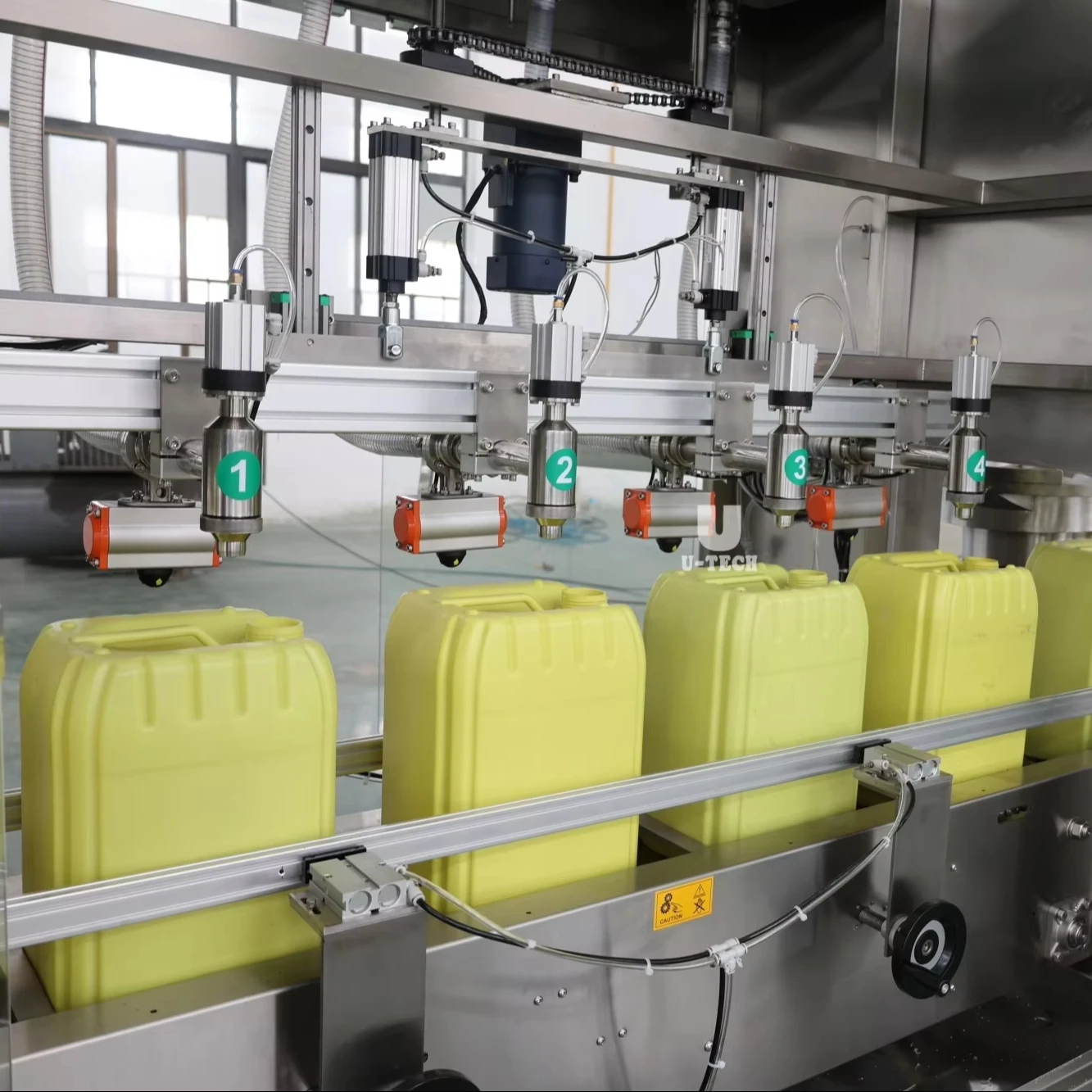
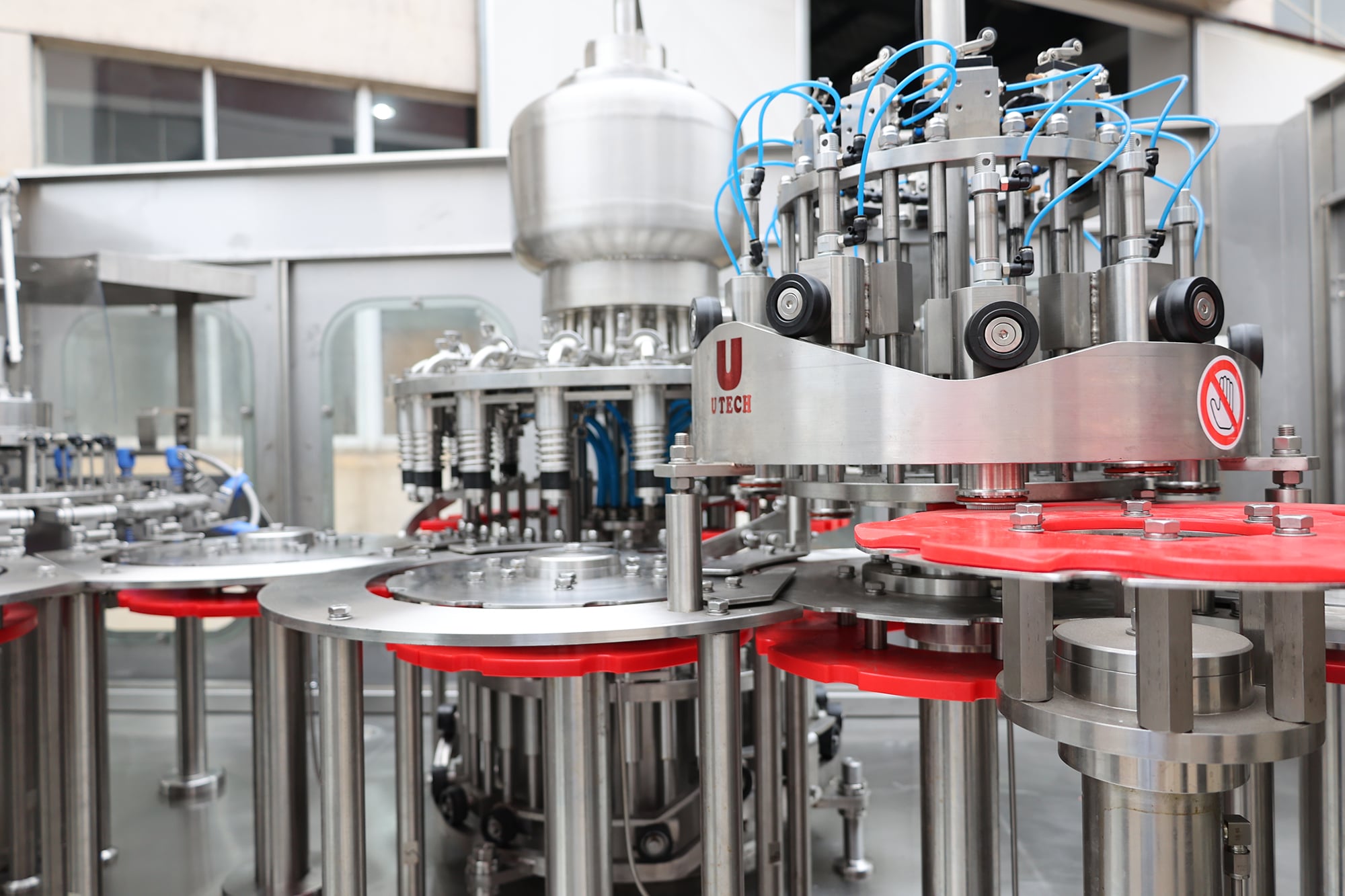
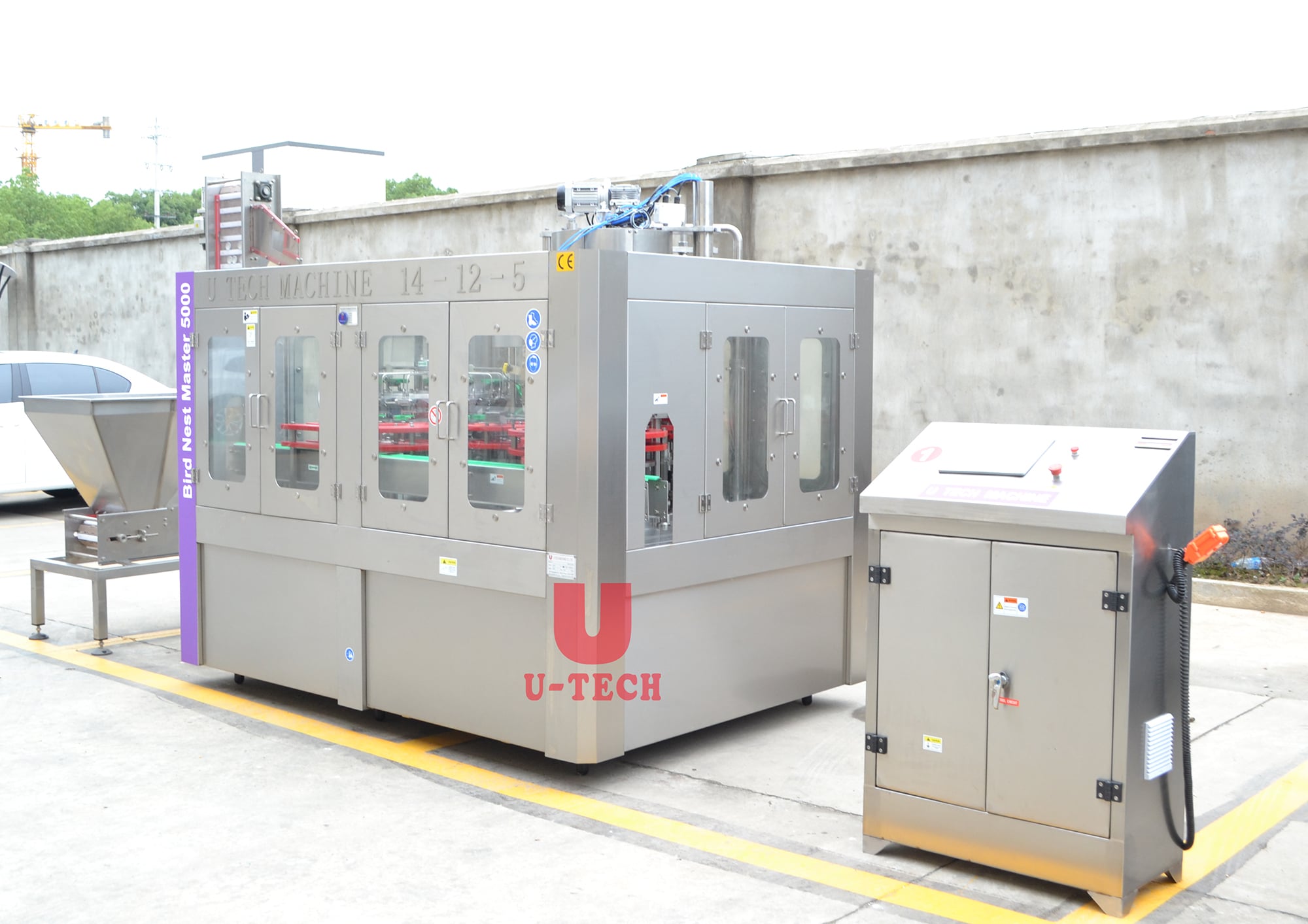
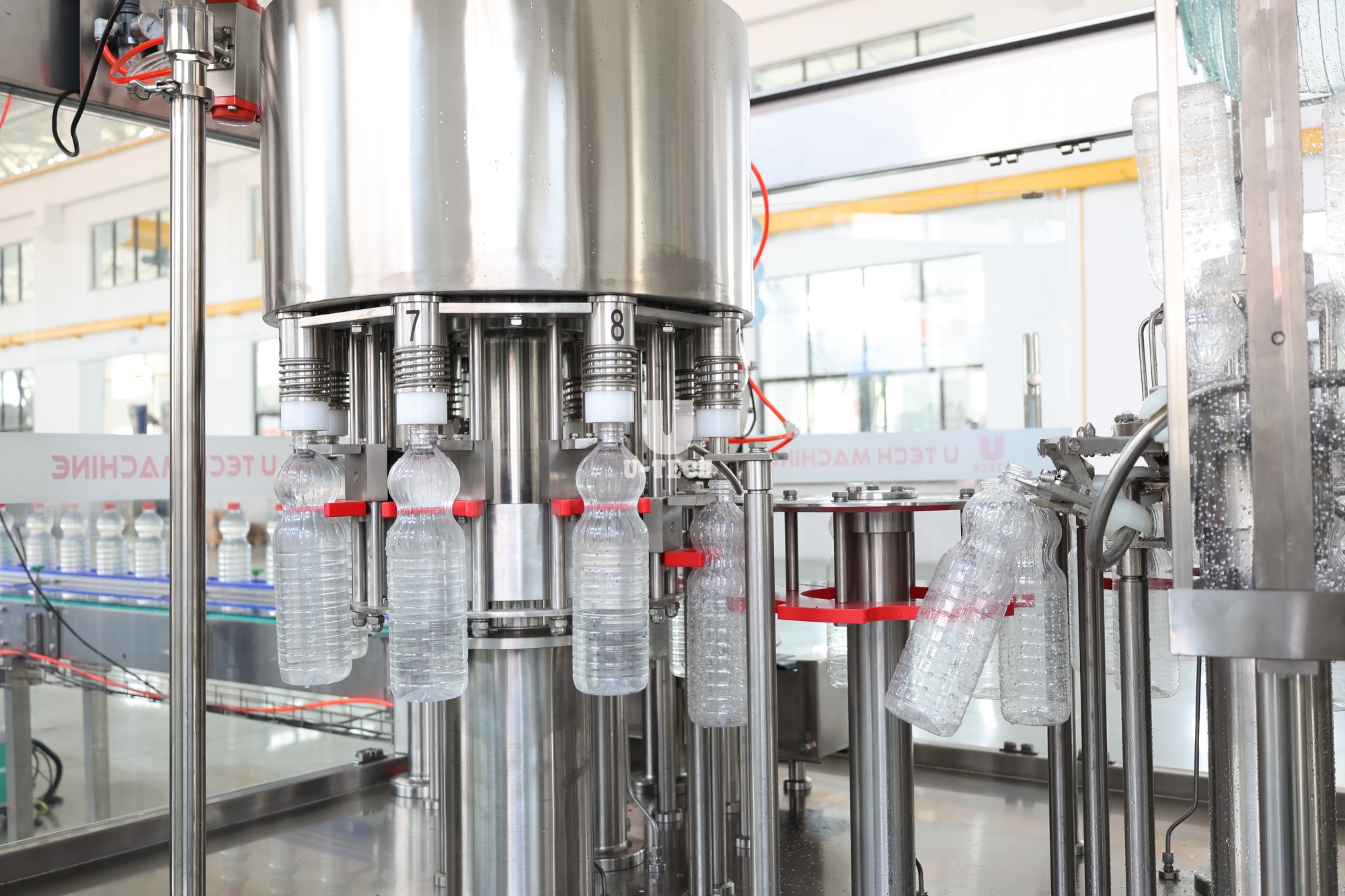
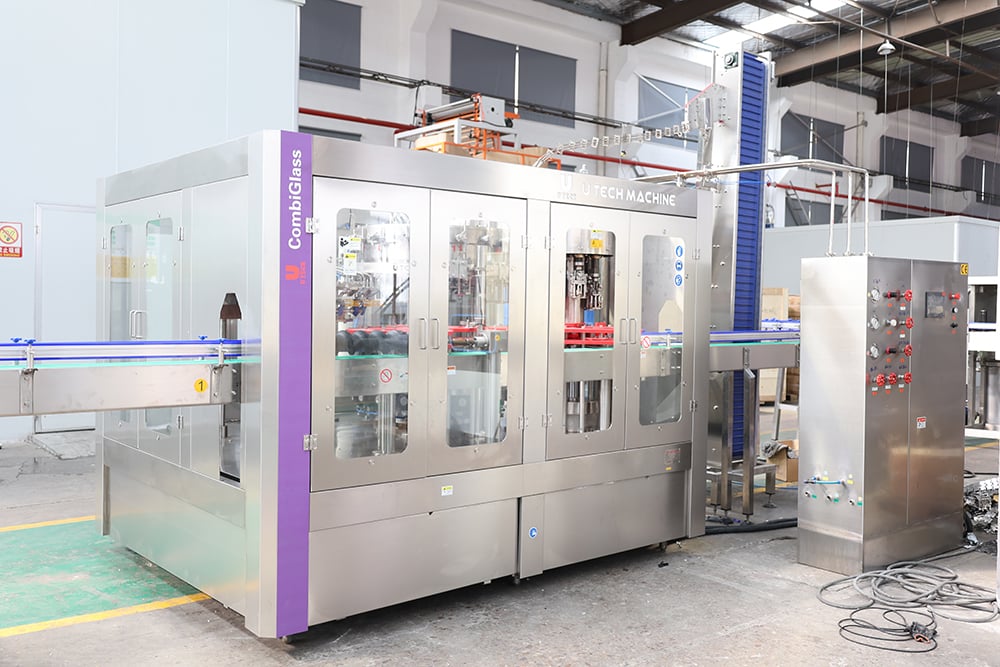
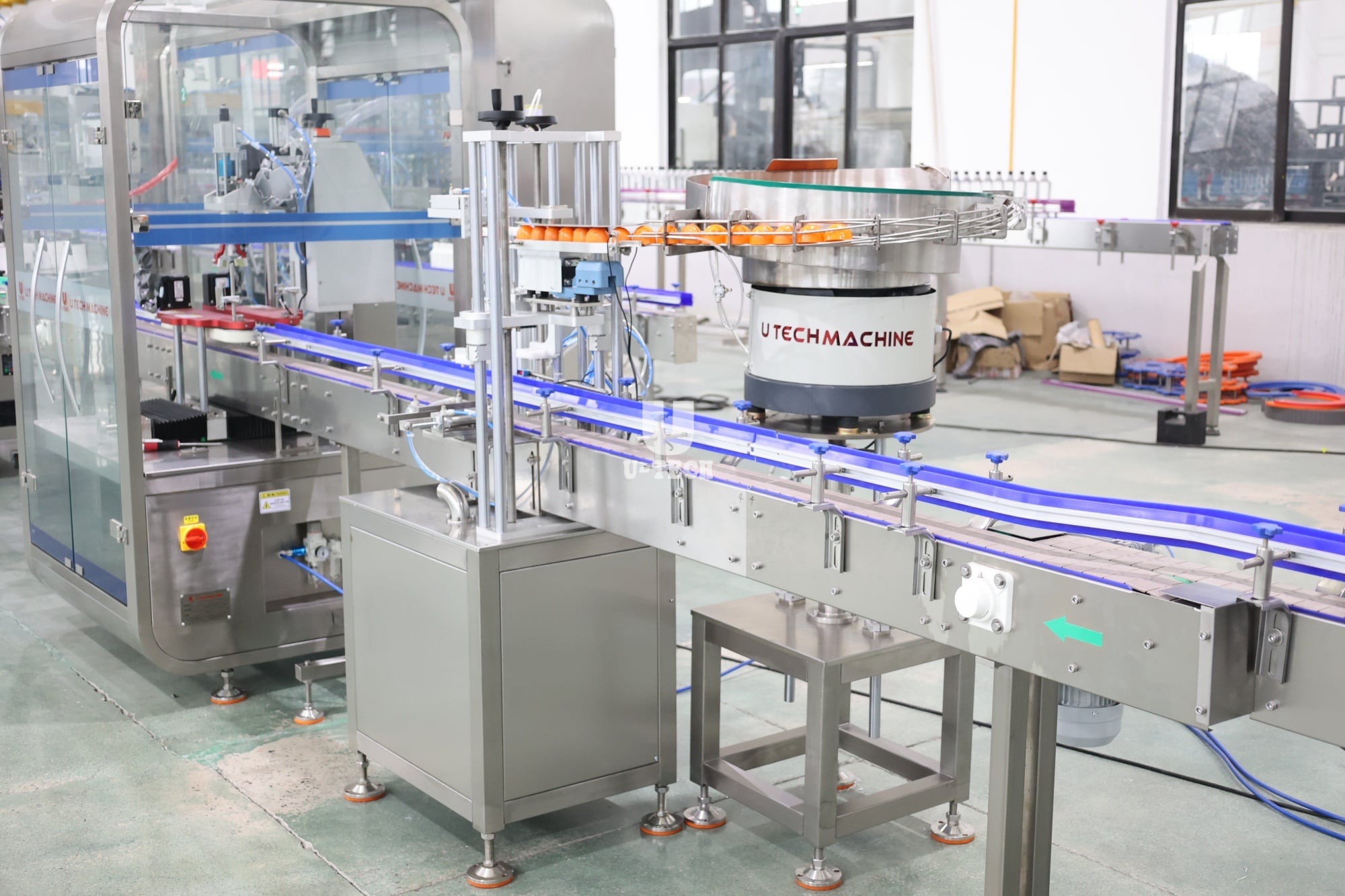
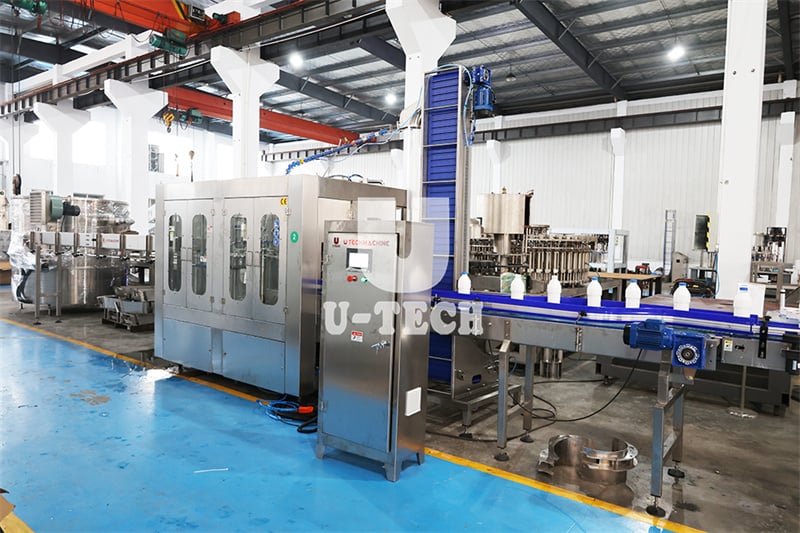
Η προσαρμοστικότητα του εργοστασίου σας με μια ευέλικτη αυτόματη μηχανή γεμίσματος φιαλών είναι απαραίτητη για τους κατασκευαστές ποτών που στοχεύουν στη διατήρηση της ανταγωνιστικότητάς τους. Αυτές οι μηχανές όχι μόνο βελτιώνουν την αποδοτικότητα της παραγωγής, αλλά προσαρμόζονται επίσης σε διαφορετικές γραμμές προϊόντων και απαιτήσεις συσκευασίας. Ως διευθυντές αγορών ή μηχανικοί, ενδέχεται να ανησυχείτε για τη συμβατότητα της μηχανής με τα υφιστάμενα συστήματα, τη μελλοντική επεκτασιμότητα και το κόστος λειτουργίας. Αυτό το άρθρο παρέχει ενημέρωση σχετικά με τις μελλοντικές εφαρμογές των ευέλικτων αυτόματων μηχανών γεμίσματος φιαλών, καθοδήγηση για την επιλογή του κατάλληλου μοντέλου, συνηθισμένα προβλήματα και λύσεις, συμβουλές για την εγκατάσταση και παράγοντες κόστους που πρέπει να ληφθούν υπόψη κατά την αγορά.
Μελλοντικές Εφαρμογές Ευέλικτων Αυτόματων Μηχανών Γεμίσματος Φιαλών
Ευέλικτη αυτόματη μηχανή γεμισμού μποτήλ εξελίσσονται γρήγορα, κινούμενες από τις τάσεις στις προτιμήσεις των καταναλωτών και τις τεχνολογικές εξελίξεις. Αυτές οι μηχανές σχεδιάζονται όλο και περισσότερο για να ανταποκρίνονται σε διάφορα σχήματα, μεγέθη και υλικά μπουκαλιών. Για παράδειγμα, μια μηχανή γεμίσματος που μπορεί να αλλάζει ομαλά από PET σε γυάλινα μπουκάλια χωρίς σημαντική διακοπή λειτουργίας θα είναι ανεκτίμητη για τους κατασκευαστές που επιθυμούν να ποικιλοποιήσουν τις προσφορές τους.
Επιπλέον, η ενσωμάτωση έξυπνων τεχνολογιών αυξάνεται. Οι μηχανές που διαθέτουν δυνατότητες IoT επιτρέπουν παρακολούθηση σε πραγματικό χρόνο και ανάλυση δεδομένων, ενισχύοντας τους κατασκευαστές να βελτιστοποιούν την αποδοτικότητα της παραγωγής και να μειώνουν τα απόβλητα. Μελλοντικές εφαρμογές μπορεί επίσης να περιλαμβάνουν βελτιωμένα χαρακτηριστικά αυτοματοποίησης, όπως συστήματα αυτόματου καθαρισμού και προληπτική συντήρηση, τα οποία μπορούν να ελαχιστοποιήσουν τις διακοπές λειτουργίας και να βελτιώσουν τη συνολική αξιοπιστία του συστήματος. Καθώς η βιωσιμότητα γίνεται κεντρική ανησυχία, αυτές οι μηχανές πιθανόν θα ενσωματώνουν οικολογικά πρακτικά, όπως μειωμένη κατανάλωση ενέργειας και βελτιωμένη ανακυκλωσιμότητα των υλικών που χρησιμοποιούνται.
Πώς να επιλέξετε την κατάλληλη αυτόματη μηχανή γεμίσματος φιαλών για τις ανάγκες σας
Η επιλογή της κατάλληλης αυτόματης μηχανής γεμίσματος μπουκαλιών απαιτεί προσεκτική εξέταση διαφόρων παραγόντων. Πρώτον, αξιολογήστε τις απαιτήσεις σας όσον αφορά τον όγκο παραγωγής. Οι μηχανές κατηγοριοποιούνται συνήθως βάσει της ταχύτητας γεμίσματός τους, οπότε η κατανόηση των αναγκών σας σε παραγωγή θα σας βοηθήσει να βρείτε ένα μοντέλο που συμβαδίζει με το πρόγραμμα παραγωγής σας.
Στη συνέχεια, λάβετε υπόψη τους τύπους προϊόντων που θα γεμίζετε. Διαφορετικά υγρά απαιτούν διαφορετικές τεχνολογίες γεμίσματος, όπως για παράδειγμα γέμισμα με βαρύτητα, γέμισμα υπό πίεση ή γέμισμα με κενό. Η ιξώδες και ο βαθμός ανθρακούχησης του ποτού θα καθορίσουν την καλύτερη τεχνολογία που πρέπει να χρησιμοποιηθεί. Για παράδειγμα, τα ανθρακούχα ποτά απαιτούν συχνά συστήματα γεμίσματος υπό πίεση για να αποφευχθεί η απώλεια αφρού κατά τη διάρκεια της διαδικασίας.
Η συμβατότητα με τον υφιστάμενο εξοπλισμό αποτελεί έναν άλλο κρίσιμο παράγοντα. Διασφαλίστε ότι η νέα μηχανή μπορεί να ενσωματωθεί ομαλά στην τρέχουσα γραμμή παραγωγής σας, συμπεριλαμβανομένων των συστημάτων ετικετοποίησης, καπακώματος και συσκευασίας. Τέλος, λάβετε υπόψη την ευελιξία της μηχανής να αντιμετωπίζει μελλοντικές παραλλαγές προϊόντων. Ένας τροποποιήσιμος σχεδιασμός μπορεί να είναι ευεργετικός, επιτρέποντας εύκολες αναβαθμίσεις ή προσαρμογές καθώς εξελίσσεται η γκάμα προϊόντων σας.
Συνηθισμένα προβλήματα με αυτόματες μηχανές γεμίσματος μπουκαλιών και λύσεις
Παρά τα πλεονεκτήματά τους, τα αυτόματα μηχανή γεμισμάτων κατριών γυαλιού μπορούν να αντιμετωπίσουν διάφορα συνηθισμένα προβλήματα που ενδέχεται να επηρεάσουν την αποδοτικότητα της παραγωγής. Ένα συχνό πρόβλημα είναι η ασυνέπεια στα επίπεδα γεμίσματος, το οποίο μπορεί να οδηγήσει σε απώλεια προϊόντων και δυσαρέσκεια των πελατών. Αυτό το πρόβλημα προκύπτει συχνά από εσφαλμένη βαθμονόμηση ή ανεπαρκή συντήρηση. Τακτικές επιθεωρήσεις και επαναβαθμονομήσεις, όπως συνιστά ο κατασκευαστής, μπορούν να βοηθήσουν στην αντιμετώπιση αυτού του προβλήματος.
Ένα άλλο ζήτημα είναι η ικανότητα της μηχανής να διαχειρίζεται διαφορετικά σχήματα και μεγέθη μπουκαλιών. Εάν οι ανάγκες της παραγωγής σας αλλάζουν συχνά, βεβαιωθείτε ότι η μηχανή διαθέτει ακροφύσια γεμίσματος ρυθμιζόμενα ή ρυθμίσεις που μπορούν να προσαρμοστούν σε διάφορες διαμορφώσεις. Επιπλέον, τα φραγμένα ακροφύσια μπορούν να διαταράξουν τη λειτουργία. Για να αντιμετωπιστεί αυτό, εφαρμόστε πρωτόκολλα τακτικού καθαρισμού και εξετάστε μηχανές με λειτουργίες αυτόματου καθαρισμού.
Επιπλέον, παρακολουθείτε προσεκτικά τη διαδικασία σφράγισης, καθώς η ακατάλληλη σφράγιση μπορεί να οδηγήσει σε διαρροές και σπατάλη. Τακτικοί έλεγχοι ποιότητας των στοιχείων σφράγισης και η διασφάλιση ότι είναι συμβατά με τα χρησιμοποιούμενα μπουκάλια και καπάκια μπορούν να προλάβουν αυτά τα προβλήματα.
Οδηγίες εγκατάστασης για ευέλικτες αυτόματες μηχανές γεμίσματος μπουκαλιών
Η σωστή εγκατάσταση της εύκαμπτης αυτόματης μηχανής γεμίσματος φιαλών είναι κρίσιμη για τη βέλτιστη απόδοση. Ξεκινήστε προετοιμάζοντας τον χώρο εγκατάστασης, διασφαλίζοντας ότι πληροί τις προδιαγραφές του κατασκευαστή όσον αφορά τον διαθέσιμο χώρο, την παροχή ηλεκτρικού ρεύματος και την εξαερισμό. Σχεδιάστε τη διάταξη έτσι ώστε να διευκολύνεται η ροή των υλικών και η πρόσβαση των χειριστών, ελαχιστοποιώντας τα σημεία συμφόρησης κατά την παραγωγή.
Ακολουθήστε προσεκτικά το εγχειρίδιο εγκατάστασης του κατασκευαστή, το οποίο θα καθορίζει τις ειδικές απαιτήσεις για την εξισορρόπηση της μηχανής και τη σύνδεσή της με τις γραμμές υπηρεσιών. Συνιστάται να αναθέσετε την εγκατάσταση σε επαγγελματίες τεχνικούς, οι οποίοι θα διασφαλίσουν ότι η μηχανή θα είναι σωστά βαθμονομημένη και θα ενσωματωθεί ορθώς με τον υπόλοιπο εξοπλισμό της παραγωγικής γραμμής σας.
Μετά την εγκατάσταση, πραγματοποιήστε μια λεπτομερή φάση δοκιμών. Αυτή θα πρέπει να περιλαμβάνει την εκτέλεση δοκιμαστικών παρτίδων για την επαλήθευση της ακρίβειας γεμίσματος, της ταχύτητας και της συμβατότητας με τα υλικά φιαλών που χρησιμοποιείτε. Παρακολουθήστε προσεκτικά την αρχική παραγωγή για να εντοπίσετε οποιεσδήποτε απαιτούμενες ρυθμίσεις πριν από την έναρξη της πλήρους λειτουργίας.
Παράγοντες Κόστους που Πρέπει να Ληφθούν υπό Εξέταση κατά την Αγορά Αυτόματων Μηχανημάτων Γεμίσματος Μπουκαλιών
Κατά την αξιολόγηση του κόστους του αυτόματη μηχανή γεμισμού φιαλών , πολλοί παράγοντες έρχονται στο προσκήνιο. Η αρχική τιμή αγοράς είναι μόνο ένα από τα στοιχεία· πρέπει επίσης να λάβετε υπόψη το συνεχές λειτουργικό κόστος, συμπεριλαμβανομένης της συντήρησης, της κατανάλωσης ενέργειας και τυχόν χρόνου αδράνειας.
Για το ίδιο το μηχάνημα, οι τιμές μπορούν να διαφέρουν σημαντικά ανάλογα με τα χαρακτηριστικά, την τεχνολογία γεμίσματος και την χωρητικότητα. Τα μηχανήματα υψηλής ταχύτητας ή εκείνα με προηγμένη τεχνολογία, όπως οι δυνατότητες IoT, μπορεί να έχουν υψηλότερη τιμή, αλλά μπορούν να προσφέρουν μακροπρόθεσμη εξοικονόμηση μέσω αυξημένης απόδοσης και μειωμένων απωλειών.
Επιπλέον, συμπεριλάβετε στον υπολογισμό σας το κόστος εγκατάστασης και εκπαίδευσης του προσωπικού σας. Ένα μηχάνημα που απαιτεί εκτεταμένη εκπαίδευση των χειριστών μπορεί να οδηγήσει σε προσωρινές απώλειες παραγωγικότητας, επομένως λάβετε το υπόψη σας κατά την ολοκληρωτική αξιολόγηση του κόστους.
Τέλος, αξιολογήστε το δυνητικό κόστος προσαρμογής. Εάν οι παραγωγικές σας διαδικασίες απαιτούν μοναδικά χαρακτηριστικά ή προσαρμογές για να εξυπηρετήσουν συγκεκριμένους τύπους μπουκαλιών ή διαδικασίες γεμίσματος, αυτές οι τροποποιήσεις μπορούν να αυξήσουν το συνολικό κόστος. Ζητήστε πάντα λεπτομερείς προσφορές από τους προμηθευτές για να διασφαλίσετε διαφάνεια στις τιμές και να αξιολογήσετε το συνολικό κόστος κατοχής καθ’ όλη τη διάρκεια ζωής της μηχανής.
Με την κατανόηση αυτών των στοιχείων, μπορείτε να λάβετε μια πιο ενημερωμένη απόφαση που συμβαδίζει με τη στρατηγική «μελλοντικής ανθεκτικότητας» του εργοστασίου σας και με τους επιχειρηματικούς σας στόχους.
Περιεχόμενα
- Μελλοντικές Εφαρμογές Ευέλικτων Αυτόματων Μηχανών Γεμίσματος Φιαλών
- Πώς να επιλέξετε την κατάλληλη αυτόματη μηχανή γεμίσματος φιαλών για τις ανάγκες σας
- Συνηθισμένα προβλήματα με αυτόματες μηχανές γεμίσματος μπουκαλιών και λύσεις
- Οδηγίες εγκατάστασης για ευέλικτες αυτόματες μηχανές γεμίσματος μπουκαλιών
- Παράγοντες Κόστους που Πρέπει να Ληφθούν υπό Εξέταση κατά την Αγορά Αυτόματων Μηχανημάτων Γεμίσματος Μπουκαλιών