EN
EN


Diversifying your product line with a multi-purpose can Water filling machine can significantly enhance your operational efficiency and market reach. As a B2B buyer, understanding how to select the right equipment is critical for meeting production demands while maintaining quality. This article addresses common concerns regarding specifications, quality indicators, potential issues, and cost considerations, equipping you with the insights needed to make an informed purchasing decision. 
How to Choose the Right Multi-Purpose Can Filling Machine
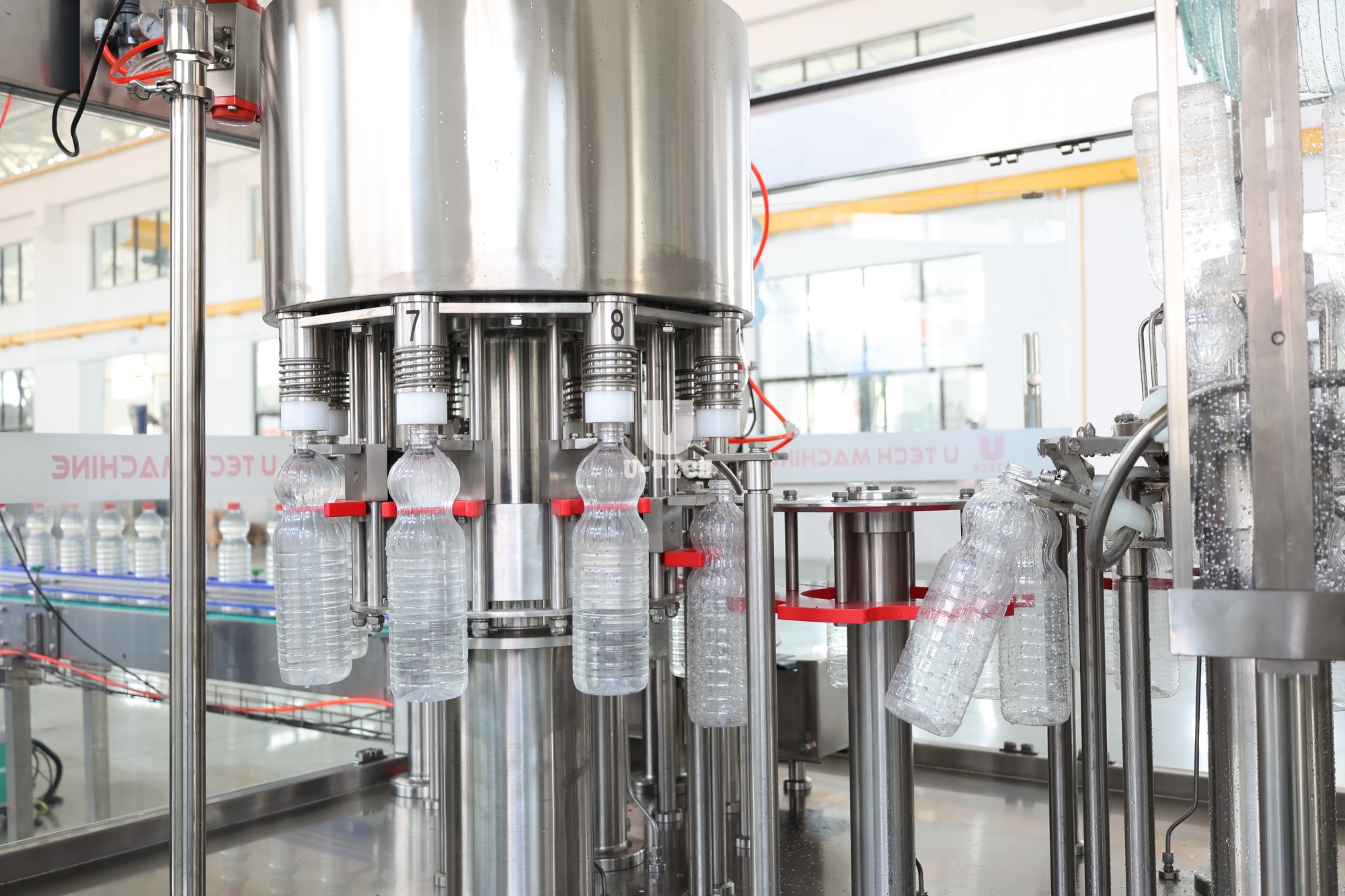
Selecting the right multi-purpose can filling machine involves assessing your specific production requirements, including the type of beverages you plan to fill—such as carbonated drinks, juices, or water. Begin by evaluating the machine's filling capacity, which should align with your production goals. A machine with a higher output rate may be necessary for high-demand environments, while smaller operations may benefit from more compact models.
Additionally, consider the machine's flexibility and compatibility with various can sizes and materials. Many multi-purpose machines can handle different can formats and materials, which is essential for a diversified product line. It's also vital to review the technology used—such as gravity, pressure, or vacuum filling—since this will affect the quality and consistency of the filled product.
Lastly, ensure that the machine comes with comprehensive technical support and training, as this can significantly reduce downtime during initial setup and operation.
Compare Specifications of Multi-Purpose Can Filling Machines
When comparing specifications, focus on critical factors such as filling accuracy, machine dimensions, and operational speed. Filling accuracy is crucial to minimize waste and ensure product consistency; machines can vary in filling tolerances, so select one that meets your quality standards.
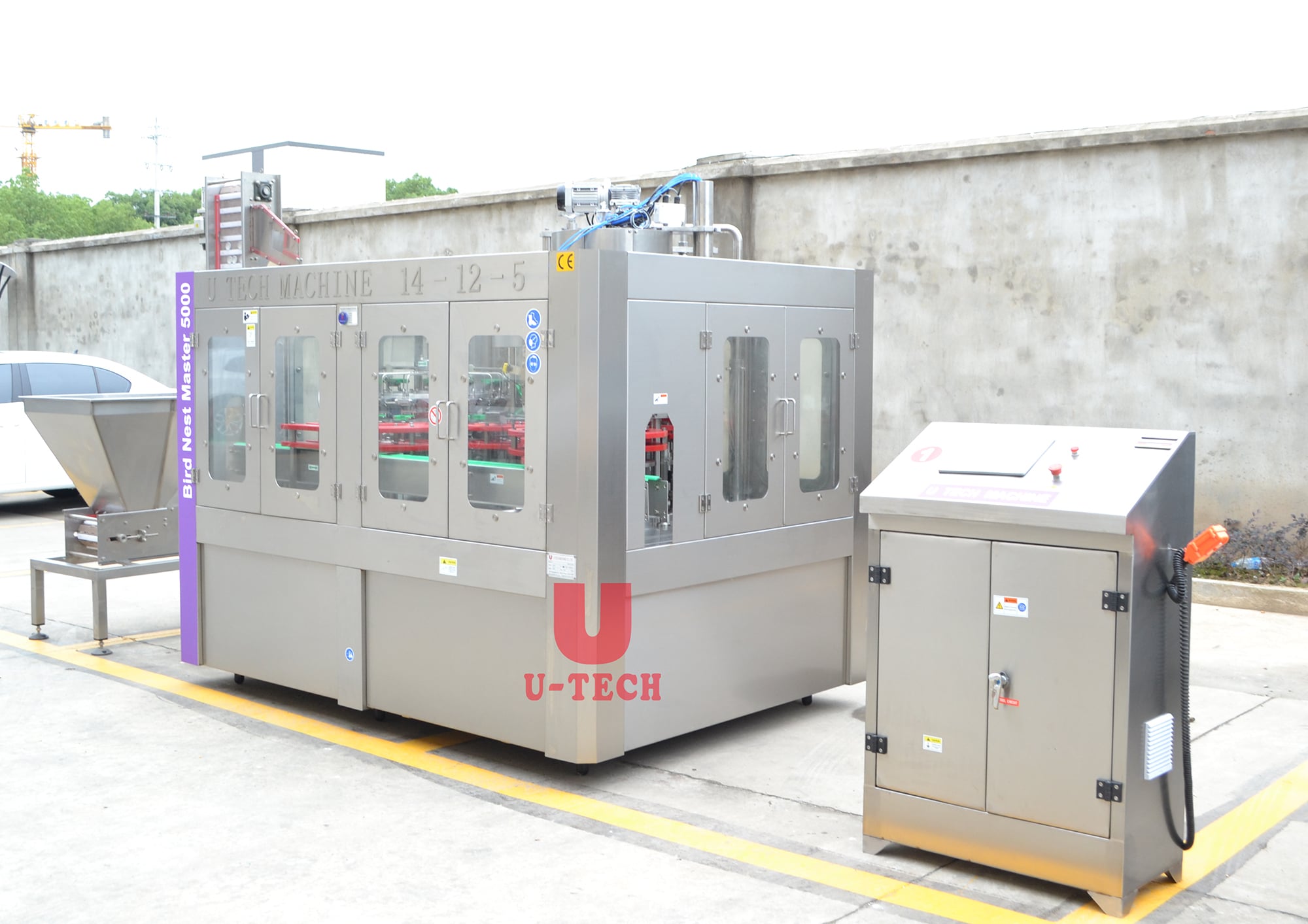
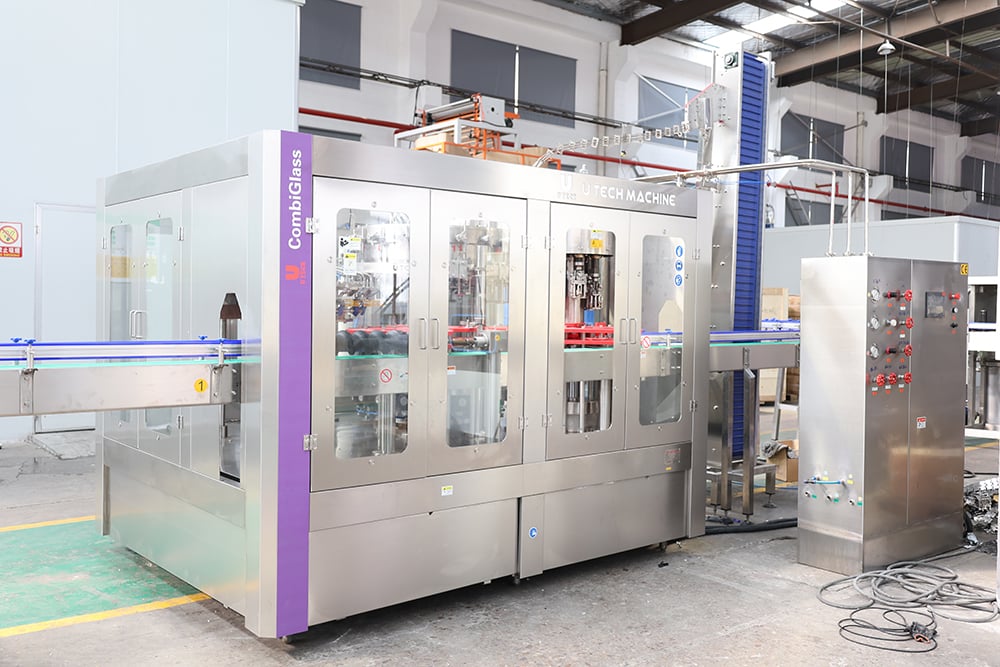
Machine dimensions are particularly important in facilities with limited space. Ensure the chosen model fits within your plant layout while allowing for necessary maintenance access. Operational speed, measured in cans per minute, should match your production needs, and it's advisable to consider models that can be adjusted for different fill rates depending on production fluctuations.
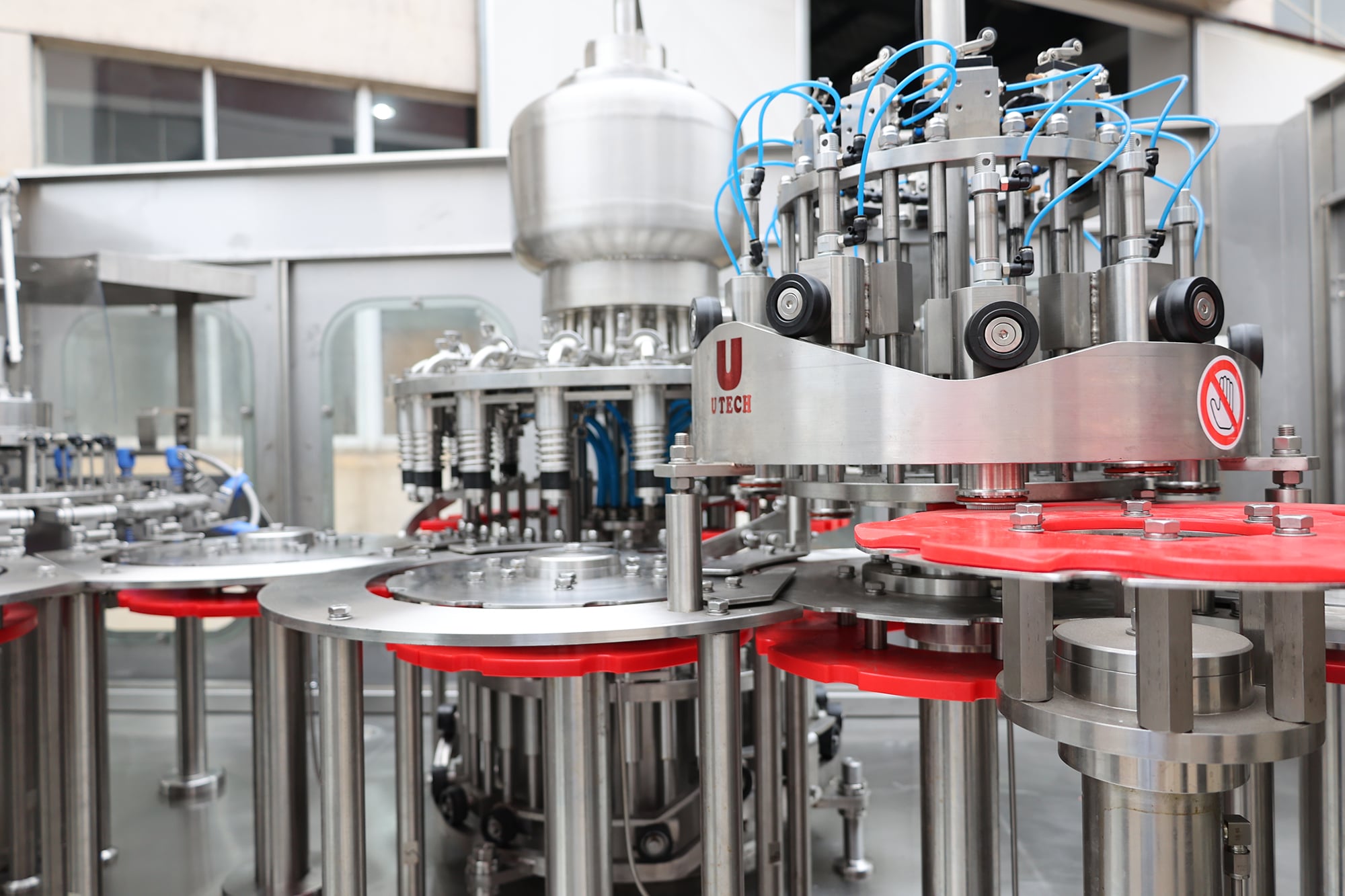
Additionally, review the materials used in the construction of the machine. Stainless steel is often preferred for its durability and resistance to corrosion, especially when dealing with acidic beverages. Understanding these specifications will help you identify a machine that meets your operational and quality requirements.
Key Quality Indicators for Can Filling Machinery
Quality indicators for can filling machinery encompass several factors that directly impact production reliability and product integrity. These include build quality, automation level, and ease of cleaning. A robust construction minimizes the risk of breakdowns and extends the machine's lifespan.
Automation features are essential for modern production lines, as they enhance efficiency and reduce labor costs. Look for machines equipped with user-friendly interfaces and programmable settings, which allow for quick adjustments and reduce the potential for operator error.
Another critical indicator is the machine's hygiene compliance. In the beverage industry, sanitation is paramount, so ensure that the machine is designed for easy disassembly and cleaning. Certifications related to food safety standards can also provide assurance of the machine's reliability in maintaining hygiene during operation.
Common Problems with Can Filling Machines and Solutions
Despite advanced technology, can filling machines can encounter issues that affect production. Common problems include inconsistent fill levels, leaks, and mechanical failures.
Inconsistent fill levels can arise from improper calibration or variations in can dimensions. It's crucial to routinely calibrate the filling system and perform maintenance checks to ensure that the machine operates within specified tolerances.
Leaks often occur due to worn seals or improper connections. Regular inspections of gaskets and fittings can help identify potential issues before they lead to significant downtime.
Mechanical failures can result from lack of lubrication or wear and tear on moving parts. Establishing a preventive maintenance schedule will help mitigate these risks and ensure continuous operation. Furthermore, having access to technical support from the manufacturer can expedite troubleshooting and repairs. 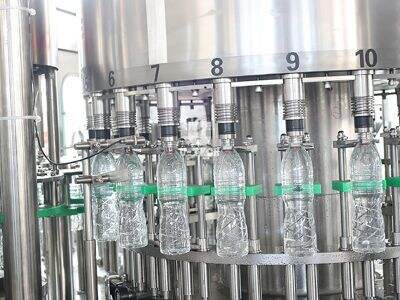
Evaluating Cost Factors for Can Filling Equipment Purchases
The cost of a multi-purpose can Can filling machine can vary widely based on specifications, features, and customization options. When evaluating costs, consider not only the initial purchase price but also long-term operational expenses, including maintenance, energy consumption, and potential downtime.
Customization options can add to the initial cost but may offer significant savings in terms of efficiency and versatility. For instance, a machine that can handle multiple can sizes may reduce the need for additional equipment.
Additionally, consider the total cost of ownership, which includes training expenses for staff and the potential costs associated with product recalls due to malfunctioning machinery. Engaging with suppliers to understand warranty terms and service agreements can provide insights into long-term costs and support.
In summary, investing in a multi-purpose can filling machine is a strategic decision that requires careful consideration of various factors. By understanding specifications, quality indicators, potential issues, and cost implications, B2B buyers can make informed purchasing decisions that enhance their production capabilities and product offerings.