EN
EN


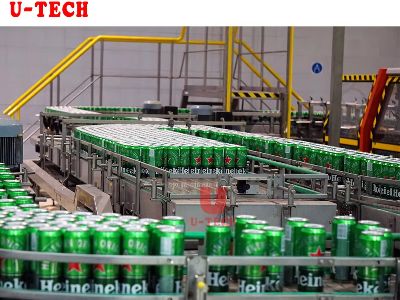
As the craft beer industry continues to grow, many microbreweries are seeking efficient ways to scale up production. An essential part of this process is the adoption of an industrial beer filling machine, which can significantly enhance productivity and ensure quality. This article explores how microbreweries can effectively choose the right filling equipment, what specifications to consider, where to source reliable machinery, common problems they might face, and important considerations for bulk orders.
How Microbreweries Choose the Right Industrial Beer Filling Machine?
Selecting the appropriate industrial beer filling machine is crucial for microbreweries that aim to scale production while maintaining quality. Buyers typically focus on compatibility with their existing systems, production capacity, and the type of beer being produced. For instance, an automatic filling machine may be preferable for high-volume production, while semi-automatic options could suffice for smaller operations.
Microbreweries should also consider the machine's filling technology counter-pressure filling is ideal for carbonated beverages, while gravity filling suits non-carbonated options. Understanding these nuances can help purchasing managers choose a machine that aligns with their production goals and beer styles. Additionally, reviewing references or case studies from similar breweries can provide valuable insights into performance and reliability.
Key Specifications to Consider for Beer Filling Machines
When evaluating beer filling machines, several key specifications should be assessed to ensure optimal performance:
Filling Speed: This is typically measured in bottles per minute (BPM). It’s essential to match the speed with the brewery's production demands to prevent bottlenecks.
Filling Accuracy: Precision in filling is crucial to minimize waste and ensure consistent product quality. Machines should offer adjustable parameters to accommodate various bottle sizes and beer types.
Material Quality: The choice of materials, especially for contact parts, is vital for maintaining flavor integrity. Stainless steel is commonly preferred for its durability and ease of cleaning.
Automation Level: Fully automatic machines can enhance efficiency but may require a higher initial investment. Buyers should weigh the benefits of automation against their operational budget and workforce capabilities.
Ease of Maintenance: Regular maintenance is vital for longevity and performance. Machines designed for easy cleaning and maintenance will save time and reduce downtime.
Considering these specifications will help microbreweries invest in equipment that not only meets their current needs but also supports future growth.
Where to Source Reliable Industrial Beer Filling Equipment?
Finding a dependable supplier for industrial beer filling machines is critical for microbreweries. Established manufacturers like Zhangjiagang U Tech Machine Co., Ltd. offer a range of filling machinery tailored for beverages. When sourcing equipment, buyers should look for manufacturers with a strong reputation in the industry, evidenced by customer testimonials and case studies.
Trade shows and industry exhibitions can be excellent venues for connecting with manufacturers and evaluating equipment firsthand. Additionally, online platforms and directories that specialize in manufacturing beer filling machine can help buyers compare options and read reviews. It’s also advisable to request demonstrations or trials of the equipment when possible, allowing for a better understanding of its operation and suitability for specific production needs.
Common Problems with Beer Filling Machines and Their Solutions
Microbreweries may encounter various challenges with beer filling machines. Common issues include:
Foaming During Filling: This can lead to product loss and inconsistent fill levels. Adjusting the filling speed and pressure can help mitigate this problem.
Contamination Risks: Ensuring a hygienic beer filling equipment process is crucial; regular cleaning and maintenance schedules should be established. Investing in machines with automated cleaning-in-place (CIP) systems can also enhance sanitation.
Mechanical Failures: Regular wear and tear can lead to breakdowns. Establishing a preventive maintenance plan, including routine inspections and part replacements, can minimize downtime.
By proactively addressing these issues, microbreweries can maintain production efficiency and product quality.
Bulk Order Considerations for Industrial Beer Filling Machinery
When planning to place bulk orders for industrial beer filling machines, microbreweries should consider several factors:
Minimum Order Quantity (MOQ): Understanding the supplier’s MOQ is essential for budgeting and planning. A larger order might qualify for discounts but requires an accurate assessment of future production needs.
Lead Time: Knowing the expected delivery time is crucial for aligning equipment arrival with production schedules. Buyers should confirm lead times when placing orders to avoid delays.
Customization Options: Many suppliers offer customization services to tailor beer filling line to specific production needs. Buyers should communicate their requirements clearly to ensure the final product meets their expectations.
After-Sales Support: Ensuring that the manufacturer provides robust after-sales support, including training and technical assistance, can significantly impact the operation of the equipment.
By carefully considering these factors, microbreweries can make informed purchasing decisions that support their growth and operational efficiency.
Table of Contents
- How Microbreweries Choose the Right Industrial Beer Filling Machine?
- Key Specifications to Consider for Beer Filling Machines
- Where to Source Reliable Industrial Beer Filling Equipment?
- Common Problems with Beer Filling Machines and Their Solutions
- Bulk Order Considerations for Industrial Beer Filling Machinery