EN
EN


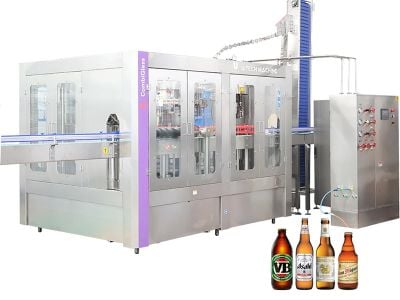
Understanding how a beer filling machine preserves flavor and carbonation from tank to bottle is crucial for manufacturers aiming to deliver the highest quality product. B2B buyers, including purchasing managers and engineers, often focus on the efficiency, reliability, and specific features that ensure optimal filling processes. This article will explore key specifications, quality indicators, performance optimization, common issues, and the role of material quality in beer filling machines, providing insights that can help buyers make informed decisions.
Key Specifications to Consider for Beer Filling Machines and Quality
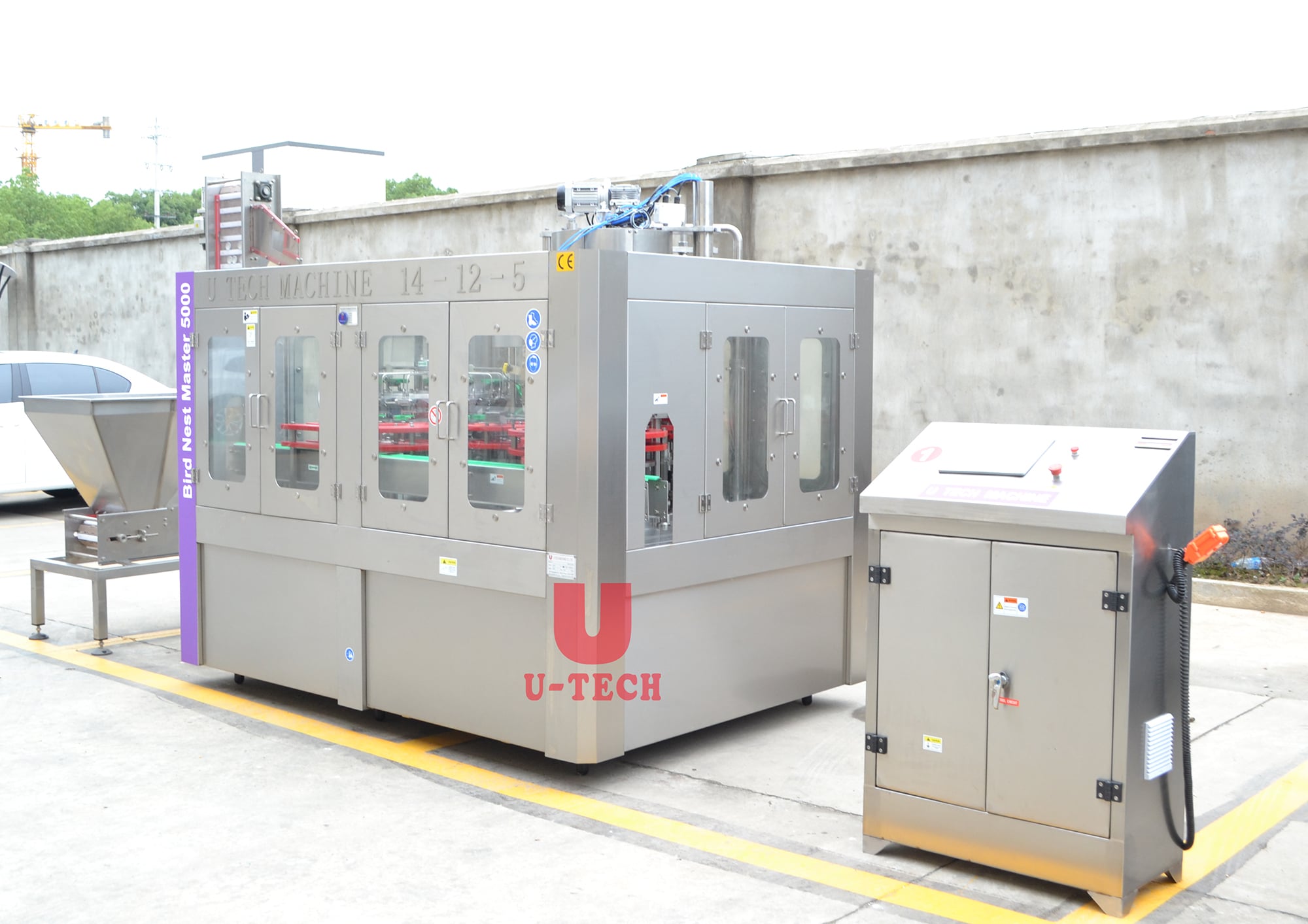
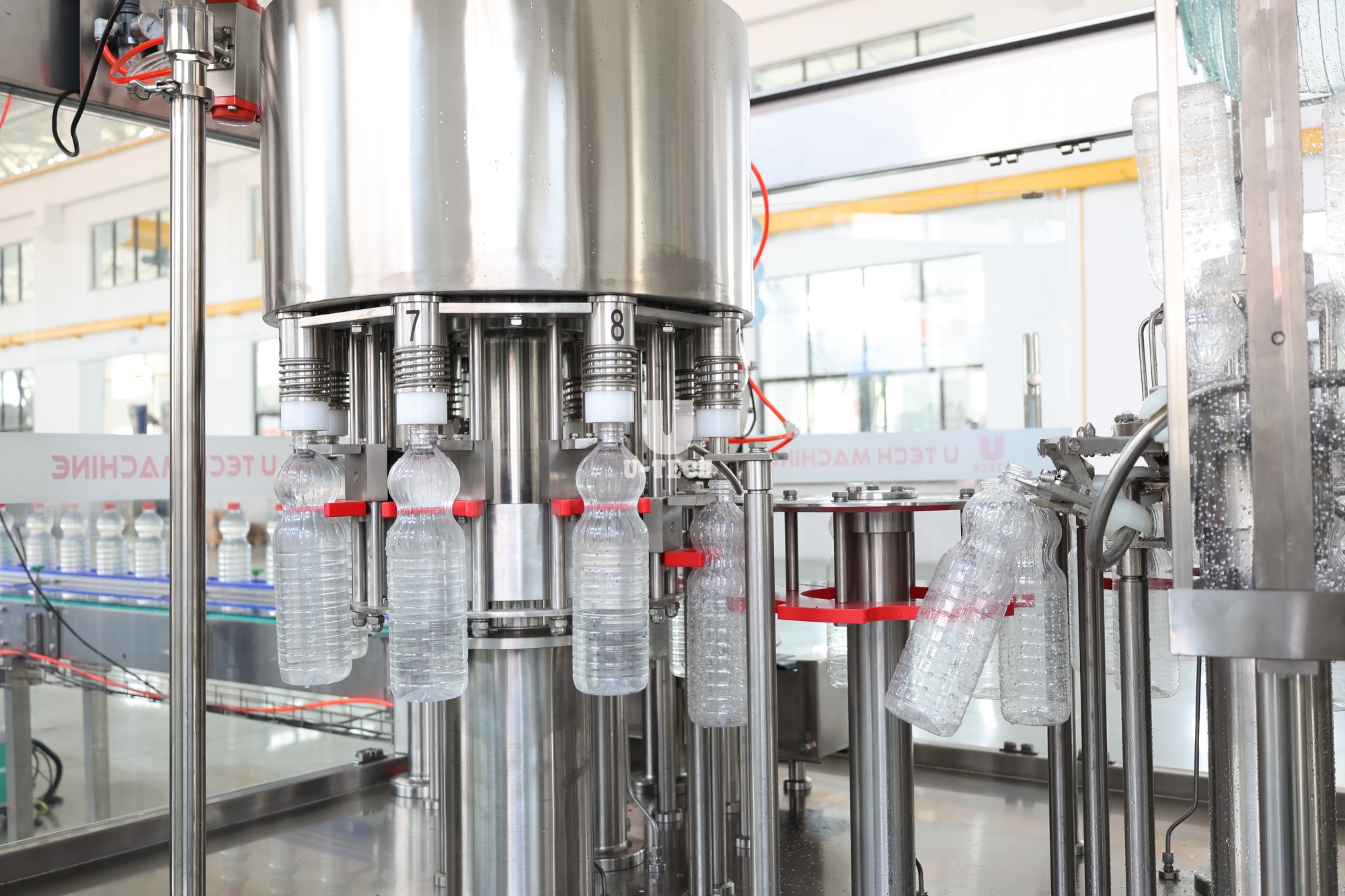
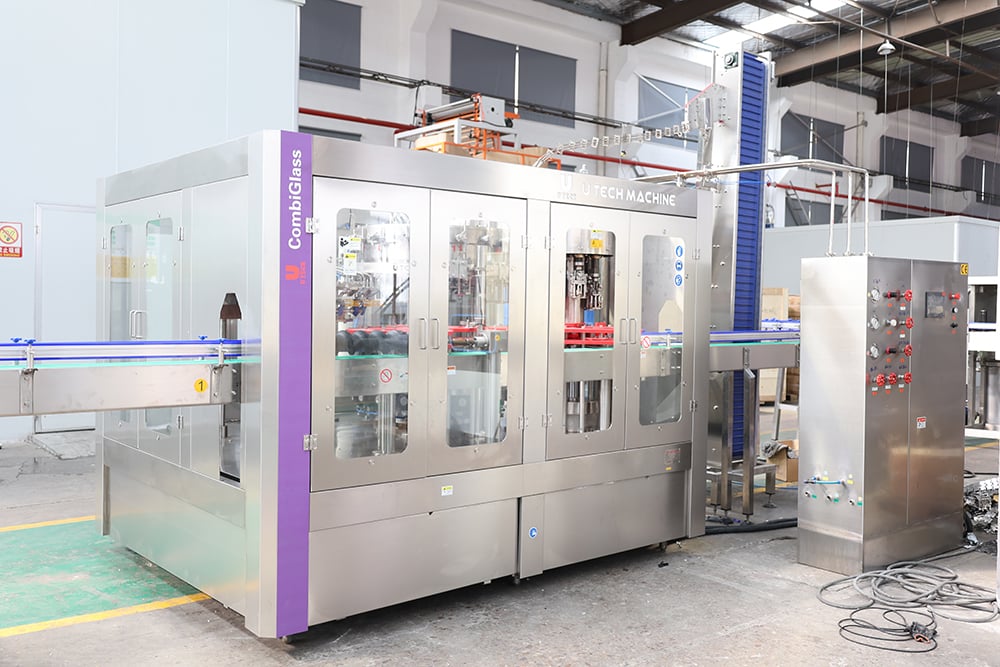
When evaluating beer filling machines, several key specifications should be prioritized to ensure the preservation of flavor and carbonation. First, consider the filling method, which can be gravity or pressure-based. Pressure filling is often preferred for carbonated beverages as it minimizes foaming and maintains carbonation levels during the filling process. Next, look at the machine's filling speed and capacity. A higher filling speed may enhance efficiency, but it should not compromise the quality of the fill. Machines with adjustable filling volumes can accommodate various bottle sizes, which is crucial for breweries offering multiple products. Additionally, the machine's sealing mechanism is vital. A robust sealing technology, such as induction sealing or screw caps, effectively prevents gas escape and contamination, which is essential for maintaining the beer's integrity. Lastly, the compatibility of the filling machine with different bottle materials (glass, PET) should be assessed to ensure versatility in production lines.
What to Look for in Quality?
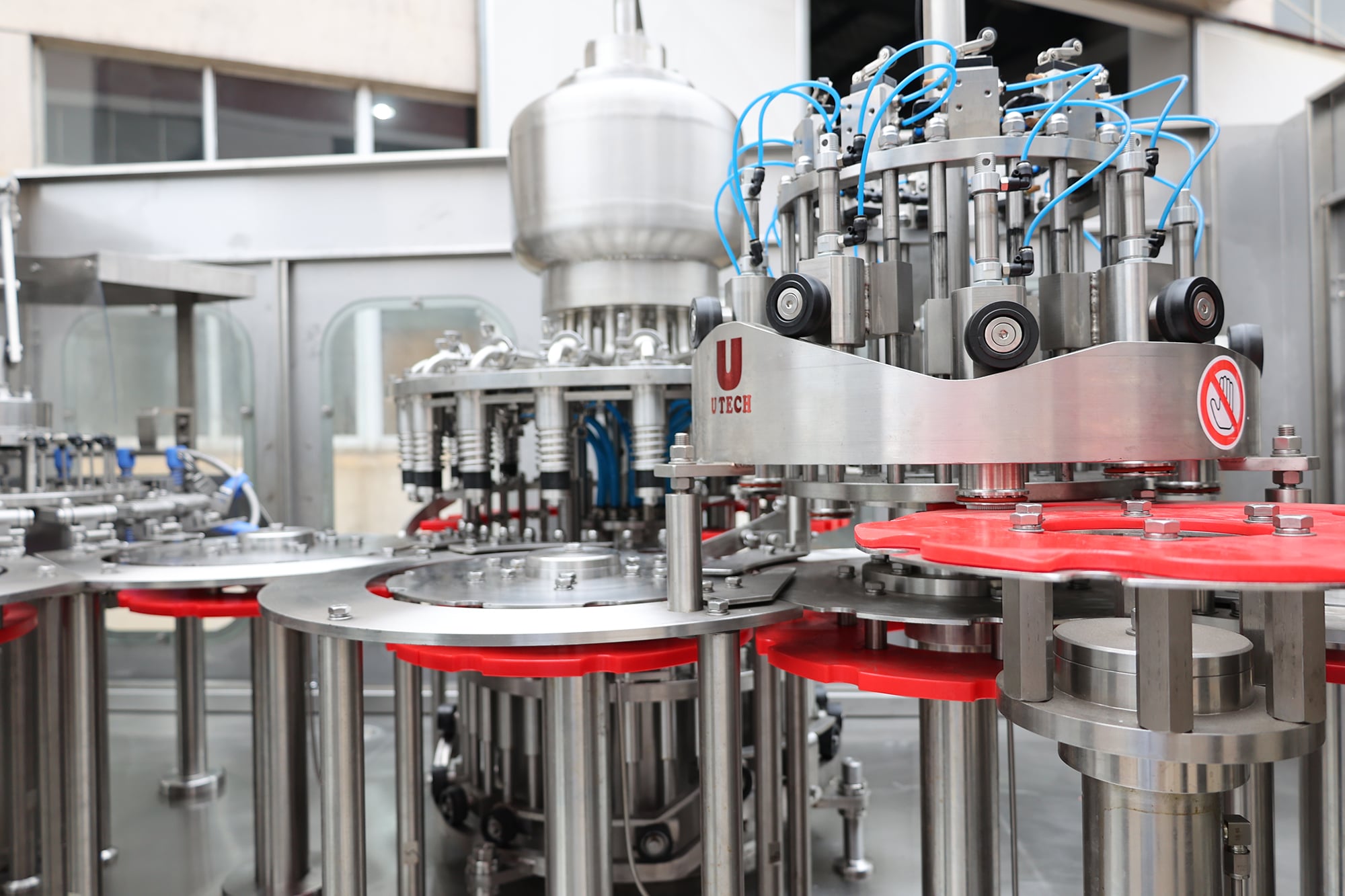
Quality in beer filling machines is often reflected in the materials used and the engineering precision of the components. Stainless steel is the industry standard for contact parts due to its resistance to corrosion and ability to maintain hygienic conditions. Ensure that all parts that come into contact with the beer are made from food-grade materials to avoid contamination. Another aspect to consider is the beer filling equipment certifications and compliance with industry standards, such as ISO or CE marking. These certifications indicate that the equipment has undergone rigorous testing for safety and reliability, which is particularly important in the beverage industry. Finally, examine the manufacturer's reputation and after-sales support. A reliable supplier, such as Zhangjiagang U Tech Machine Co., Ltd., which offers advanced technical support and training, can significantly enhance operational efficiency and minimize downtime.
Ensuring Optimal Performance
To ensure optimal performance from a beer filling machine, regular maintenance and calibration are essential. Establishing a routine maintenance schedule can help identify potential issues before they escalate, such as wear on seals or misalignment that could lead to spills and waste. Training operators in best practices for machine operation can also have a significant impact on performance. Knowledge of how to adjust filling parameters based on the beer's viscosity and carbonation levels will help maintain consistent quality. Implementing a quality control process at various stages of production, from initial setup to final inspection, is crucial. This may include monitoring fill levels, carbon dioxide levels, and checking for leaks. Consistent testing of filled bottles to ensure that they meet specified pressure and flavor profiles will further reinforce product quality.
Common Problems with Beer Filling Machines and Effective Solutions
One common problem with beer filling machines is foaming during the filling process, which can occur due to improper pressure settings or fill speeds. To mitigate this, buyers should ensure that the machine is equipped with adjustable pressure controls and that operators are trained to optimize settings based on the specific beer type. Another issue is contamination, which can arise from inadequate cleaning protocols. Implementing a robust cleaning regime, including regular sanitization of all contact surfaces, can help prevent this. Additionally, using beer filling machine with built-in CIP (Clean-In-Place) systems can streamline the cleaning process, ensuring that the equipment is hygienic and reducing downtime between production runs. Lastly, mechanical failures, such as pump malfunctions, can disrupt operations. Buyers should consider machines that feature easy access to critical components for maintenance and are designed with robust, high-quality parts to extend operational life.
The Role of Material Quality in Beer Filling Machine Performance
The performance of a beer filling machine is heavily influenced by the quality of the materials used in its construction. High-quality stainless steel not only provides durability but also ensures that the machine can withstand the harsh cleaning chemicals used in the brewing industry without degrading. Moreover, the gaskets and seals must be made from food-grade materials that can withstand temperature fluctuations and maintain a tight seal to prevent leaks. The wrong choice of materials can lead to contamination, spoilage, and loss of carbonation, ultimately affecting the beer's flavor and quality.
When selecting a beer filling machine, it is advisable to consult with the manufacturer about the material specifications and ensure they align with the intended application. This includes verifying that the materials are compatible with the specific types of beer being filled, as different styles may have varying requirements for preservation and stability. understanding the intricacies of how a beer filling line preserves flavor and carbonation is essential for making informed purchasing decisions. By focusing on specifications, quality indicators, performance optimization, common issues, and material quality, buyers can ensure they select the right equipment to deliver the best possible product to consumers.