EN
EN


The art of packaging luxury with a sophisticated wine filling machine is essential for producers aiming to enhance their brand's appeal and protect the integrity of their product. Buyers, such as purchasing managers and distributors, often face critical decisions regarding the right equipment that meets both aesthetic and functional requirements. This article will guide you through the key considerations when selecting a wine filling machine, focusing on specifications, quality evaluation, and wholesale solutions tailored for importers and distributors.
Choosing the Right Wine Filling Machine for Luxury Packaging Needs
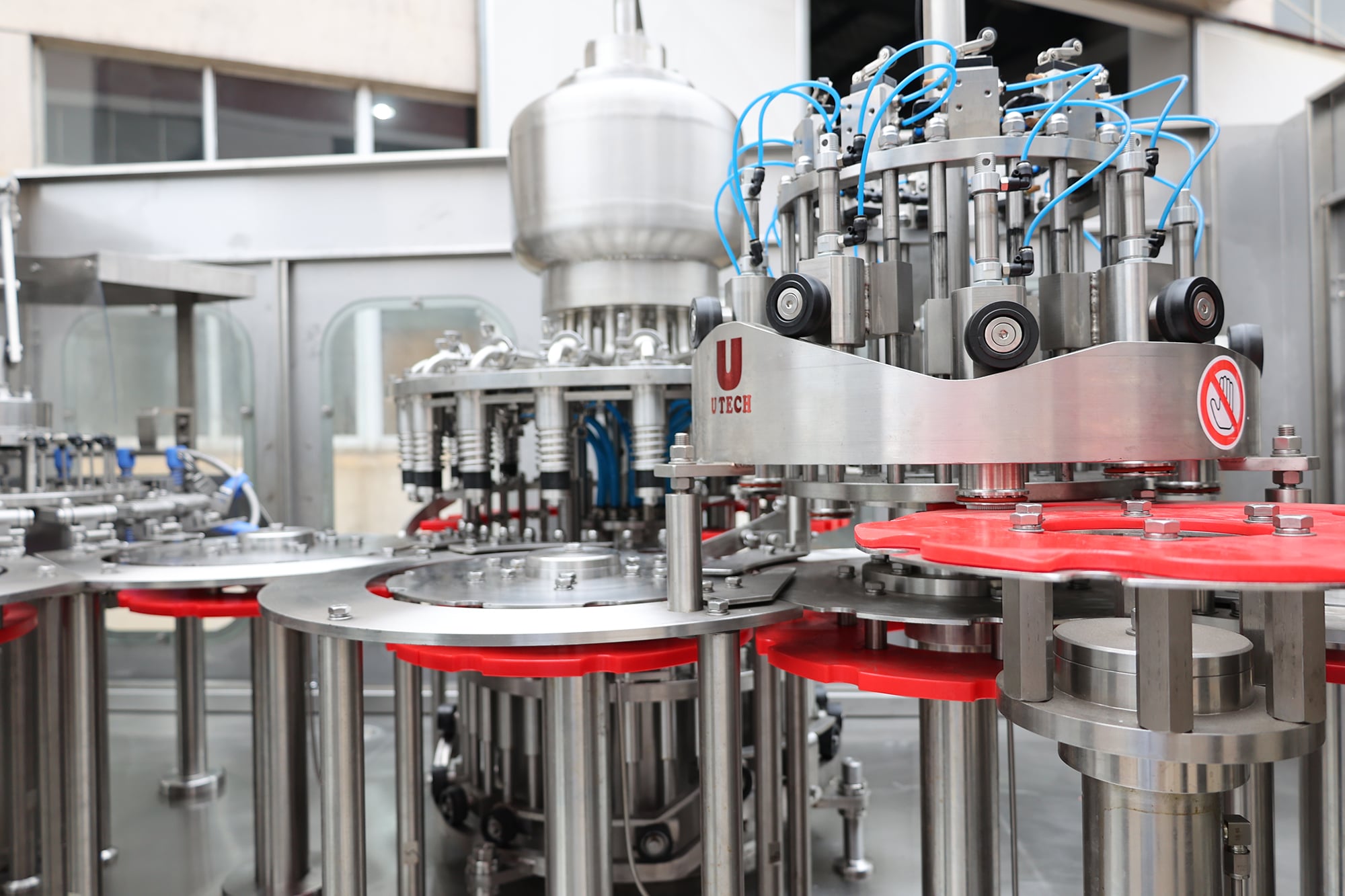
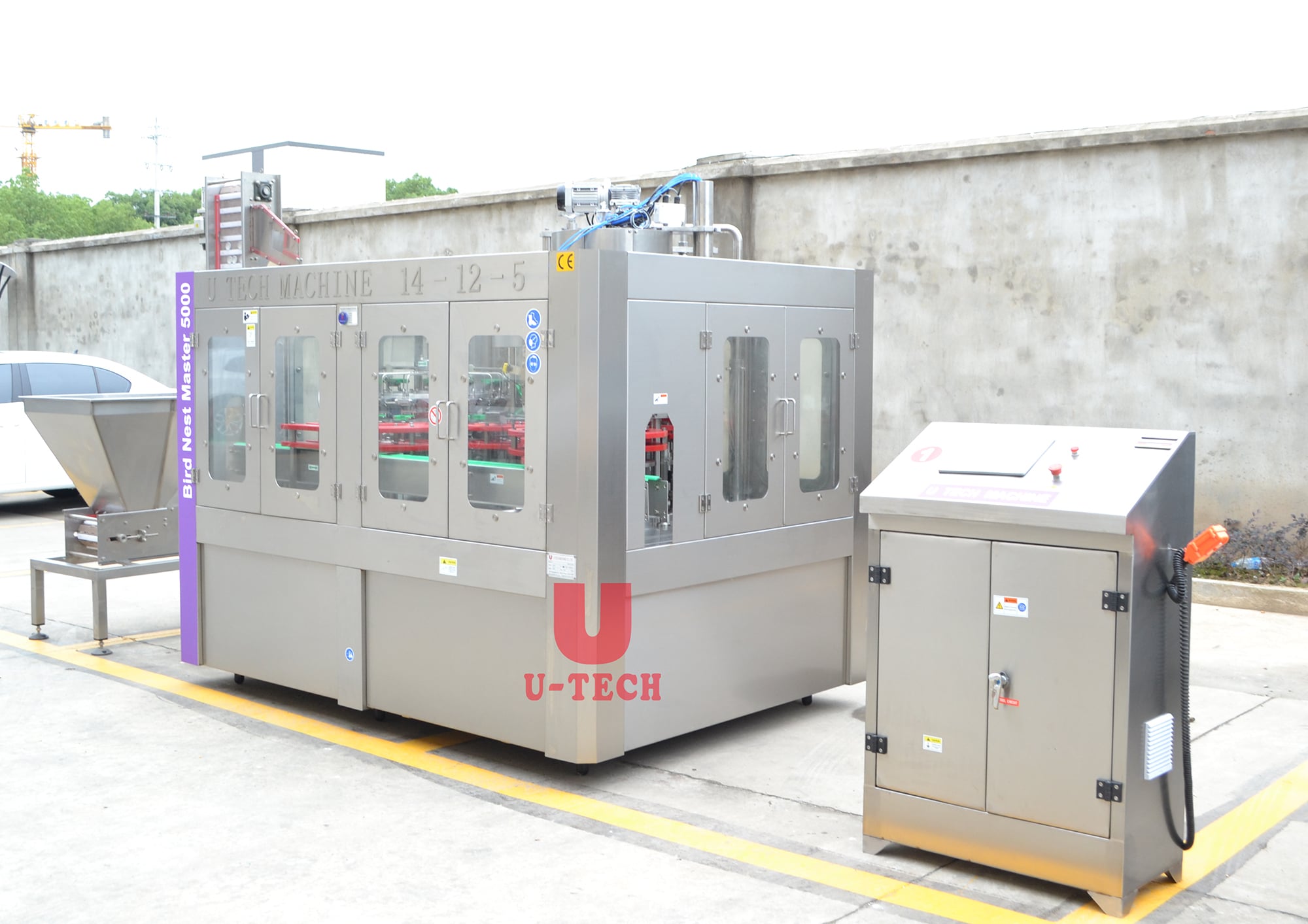
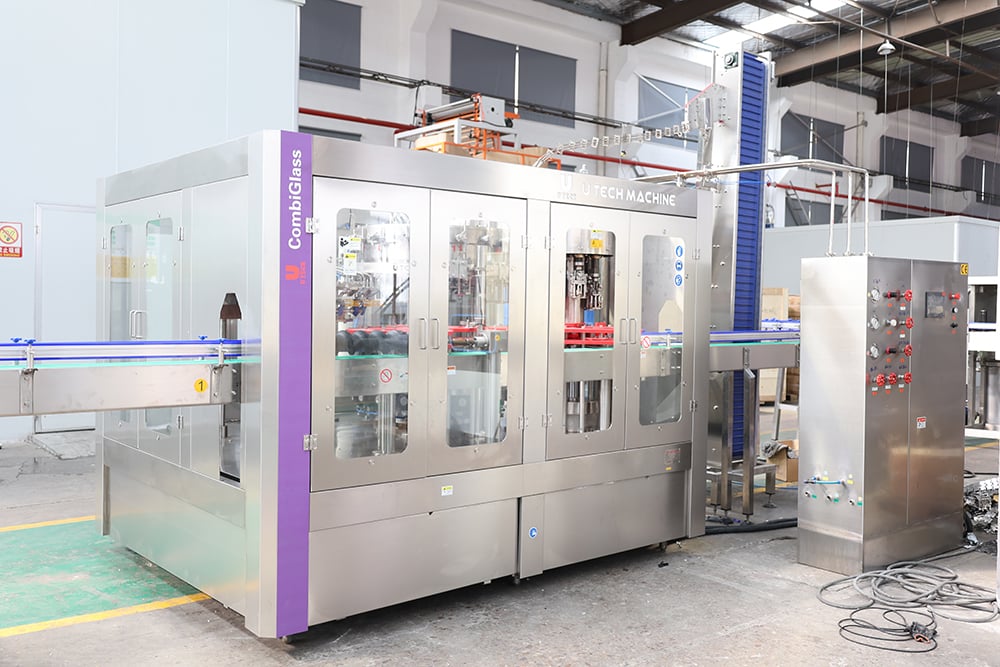
When selecting a wine filling machine, luxury packaging considerations are paramount. Buyers should look for machines that not only meet functional needs but also align with the brand's image. A sophisticated wine filling machine should offer features like adjustable filling speeds, precise volume control, and minimal contact with the wine to maintain its quality.
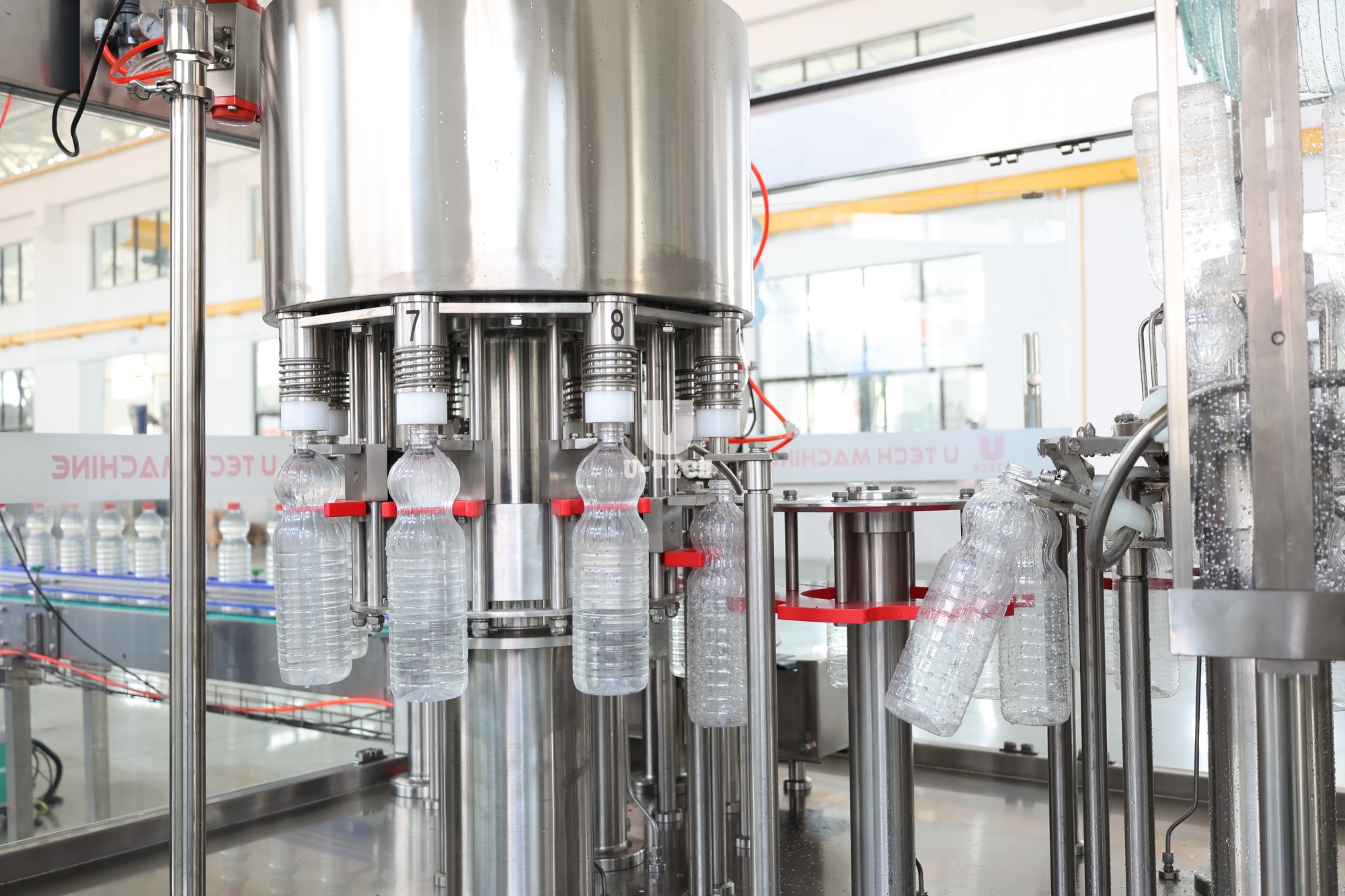
Additionally, the machine should accommodate various bottle shapes and sizes, allowing for greater flexibility in packaging. For luxury wines, the aesthetic of the filling process can also be crucial; thus, automatic liquid filling machine that offer a clean and efficient filling process can help enhance the overall consumer experience.
Given the competitive nature of the wine industry, finding a machine that can produce high-quality fills consistently while minimizing waste is essential. This ensures that the final product reflects the luxury branding that buyers aim to achieve.
Key Specifications to Consider for Sophisticated Wine Filling Machines
When assessing wine filling machines, several key specifications require careful consideration:
Filling Accuracy: Look for machines with high precision in filling volumes to avoid overfilling, which can lead to additional costs and consumer dissatisfaction.
Material Compatibility: The materials used in the machine should be compatible with wine, resistant to corrosion, and easy to clean. Stainless steel is often preferred for its durability and sanitation properties.
Filling Method: Different methods, such as gravity, vacuum, or pressure filling, can affect the wine's quality. Understanding the implications of each method is crucial for maintaining the wine's integrity.
Automation Level: Automation can greatly enhance the efficiency of the filling process. Consider whether a fully automated or semi-automated system best suits your production needs.
Machine Dimensions: Ensure that the machine fits within the space allocated for production without compromising workflow or efficiency.
By understanding these specifications, buyers can make informed decisions that align with their production goals and quality standards.
Wholesale Wine Filling Machine Solutions for Importers and Distributors
For importers and distributors, sourcing wine filling machines at wholesale prices requires a strategic approach. Establishing relationships with manufacturers, such as Zhangjiagang U Tech Machine Co., Ltd., can provide access to competitive pricing and tailored solutions.
When negotiating wholesale terms, consider:
Minimum Order Quantity (MOQ): Determine the MOQ that aligns with your distribution capabilities and market demand.
Customization Options: Many manufacturers offer customization to meet specific branding or operational needs. Discuss available options to ensure the machine aligns with your product requirements.
Lead Times: Understand the typical lead times for production and delivery, as this can affect your inventory management and sales strategies.
Technical Support: Ensure that the supplier provides adequate technical support and training for wine bottle filling equipment operation, which is crucial for maintaining production efficiency.
By focusing on these factors, importers and distributors can effectively navigate the wholesale market for wine filling machines.
How to Evaluate the Quality of Wine Filling Equipment for Your Business?
Evaluating the quality of wine filling equipment involves examining several factors:
Technical Specifications: Review the machine's specifications against industry standards and your production needs. A machine that meets or exceeds these standards is likely to deliver better performance.
Manufacturing Processes: Investigate the manufacturer’s production capabilities and quality control processes. A reputable manufacturer should have stringent quality checks in place to ensure that each machine operates reliably.
Customer Reviews and Case Studies: Seek out testimonials from other businesses in the wine industry. Real-world case studies can provide insights into how well a machine performs in actual production environments.
After-Sales Support: Ensure that the manufacturer offers robust after-sales support, including maintenance and troubleshooting assistance. This support can greatly enhance the longevity and efficiency of your filling equipment.
Certifications: Check for any industry certifications that the equipment may have, as these often indicate adherence to international quality and safety standards.
By conducting thorough evaluations based on these criteria, buyers can confidently select equipment that meets their quality expectations.
Comparing Different Wine Filling Machines for Optimal Performance and Quality
When comparing various wine filling machines, it's essential to focus on performance metrics that directly impact production efficiency and product quality. Key aspects to consider include:
Filling Speed: Assess the filling speed of different models, as this can significantly influence production capacity. Machines that allow for variable speeds can be particularly beneficial during peak production times.
Maintenance Requirements: Evaluate how easy it is to maintain each machine. Equipment requiring less downtime for cleaning and maintenance can lead to higher productivity.
Integration with Existing Systems: If you have other packaging equipment, consider how well the new wine filling machine integrates with your existing production line. Compatibility can reduce the need for extensive modifications.
Cost vs. Value: While initial prices are essential, consider the long-term value a machine offers. Evaluate maintenance costs, energy efficiency, and the potential for increased throughput when determining overall value.
By carefully comparing these performance indicators, buyers can identify the best wine filling machine suited for their operational needs and budget constraints.
Investing time in understanding these factors can lead to a more informed purchasing decision that enhances both production efficiency and product quality in the luxury wine market.
Table of Contents
- Choosing the Right Wine Filling Machine for Luxury Packaging Needs
- Key Specifications to Consider for Sophisticated Wine Filling Machines
- Wholesale Wine Filling Machine Solutions for Importers and Distributors
- How to Evaluate the Quality of Wine Filling Equipment for Your Business?
- Comparing Different Wine Filling Machines for Optimal Performance and Quality