EN
EN


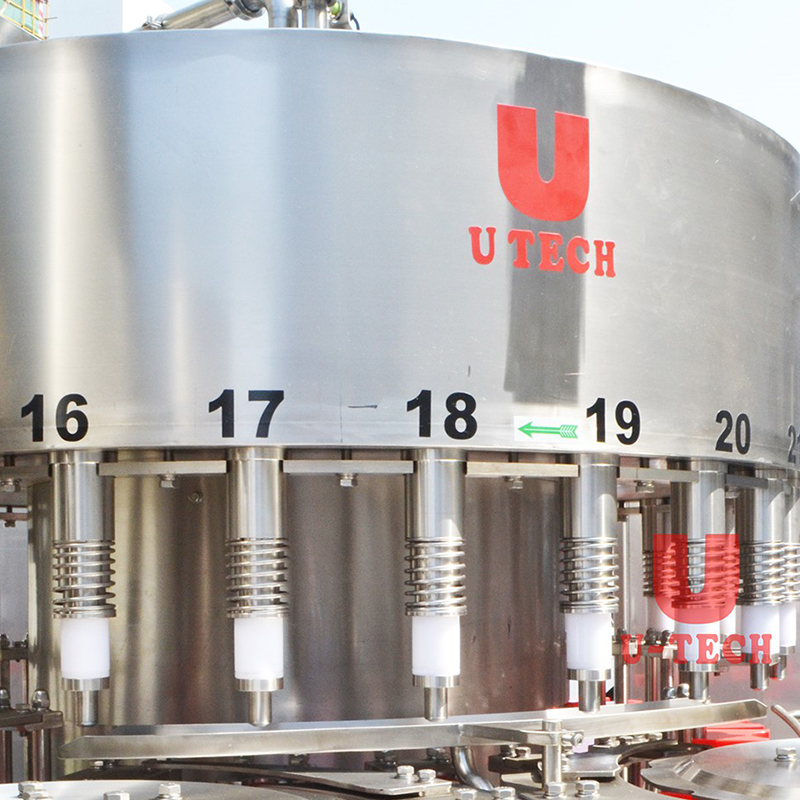
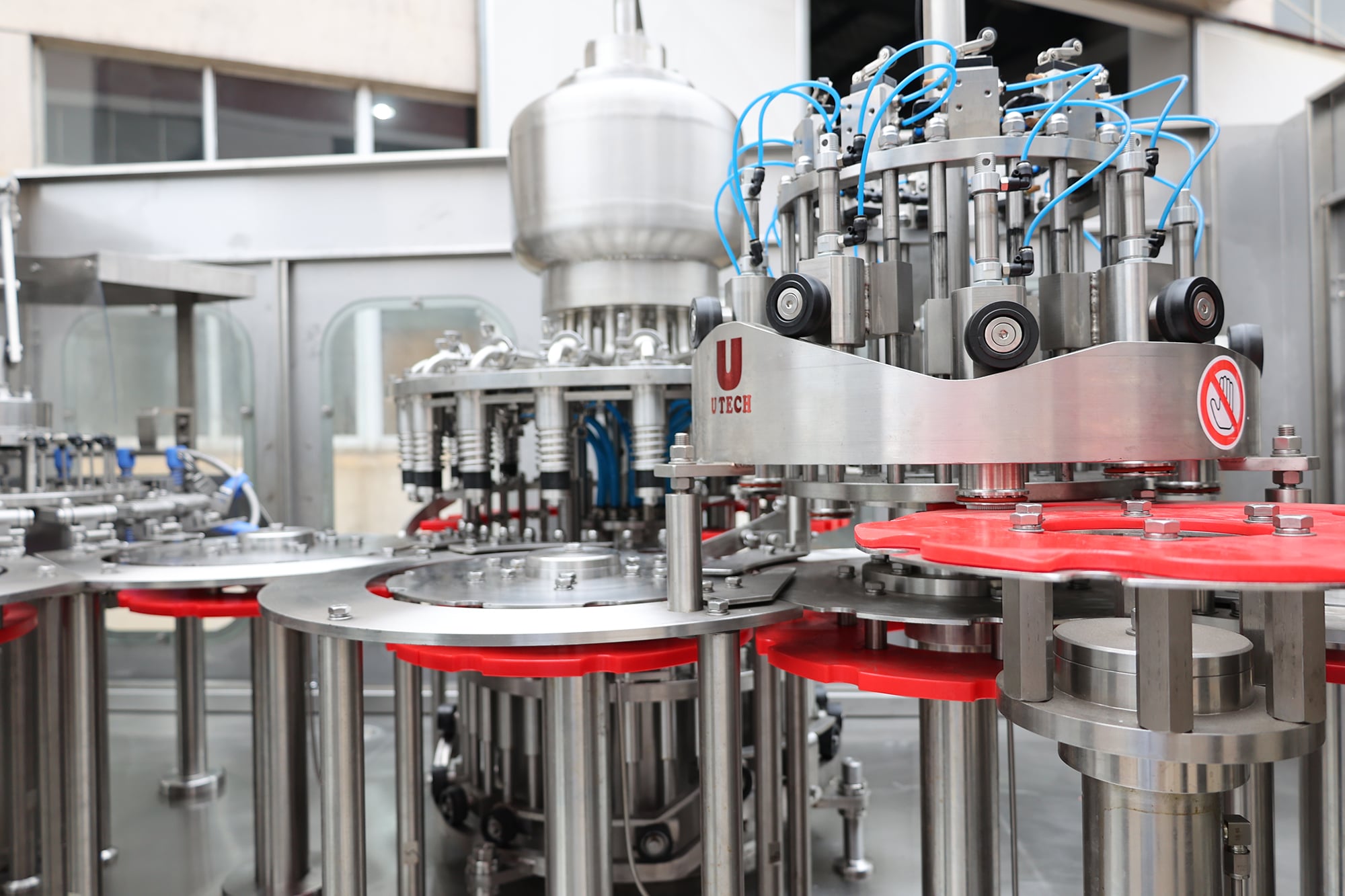
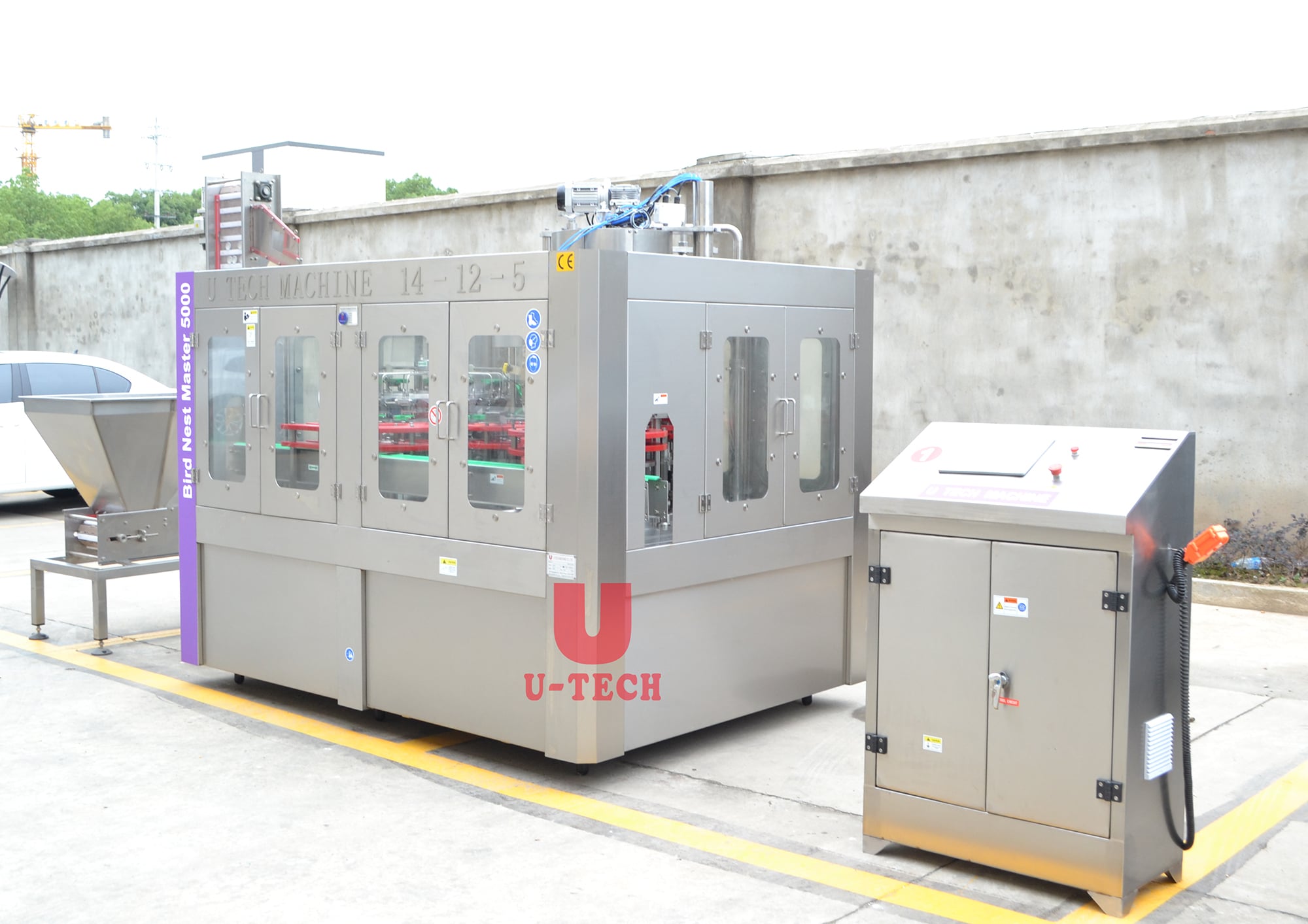
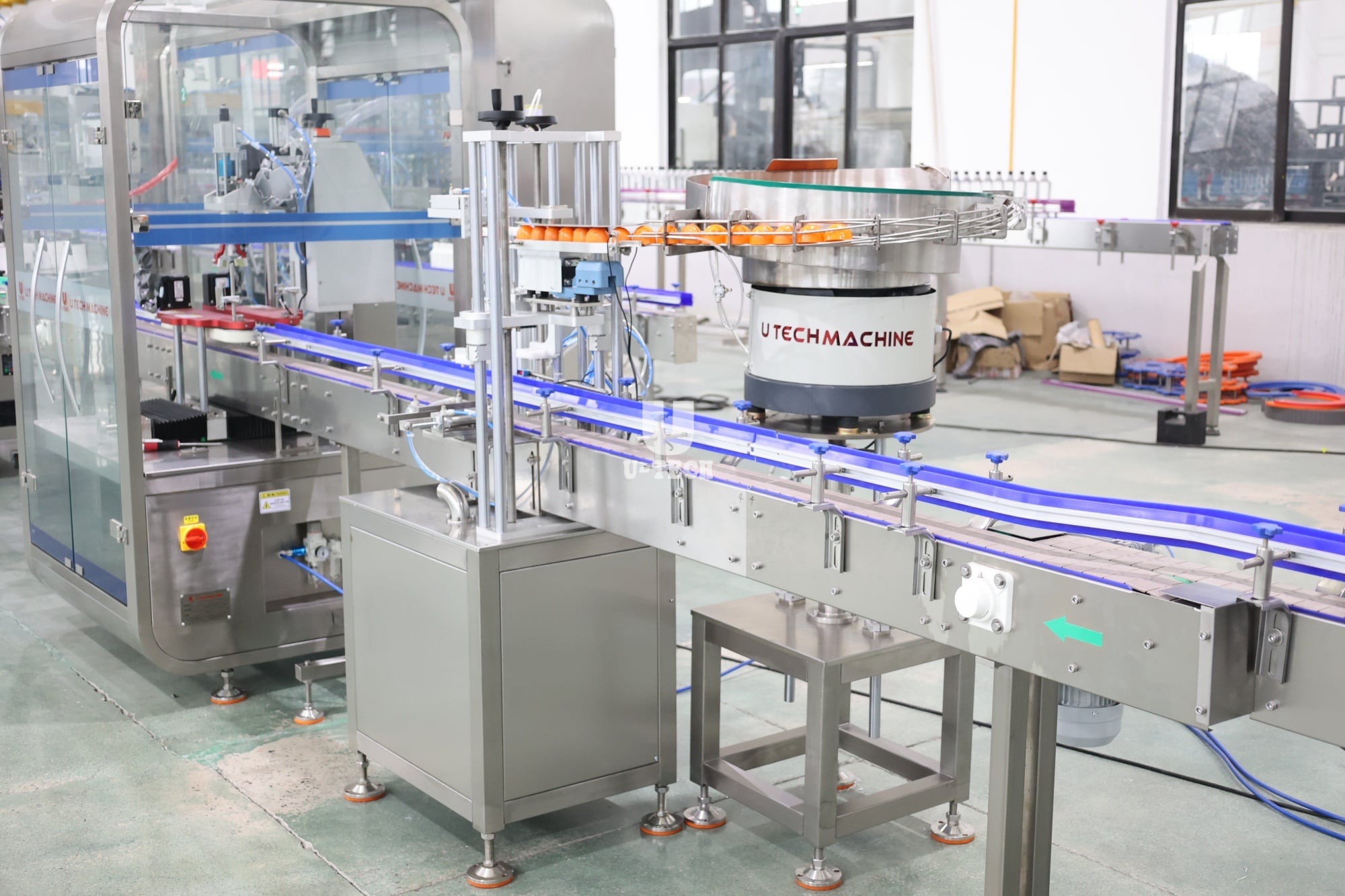
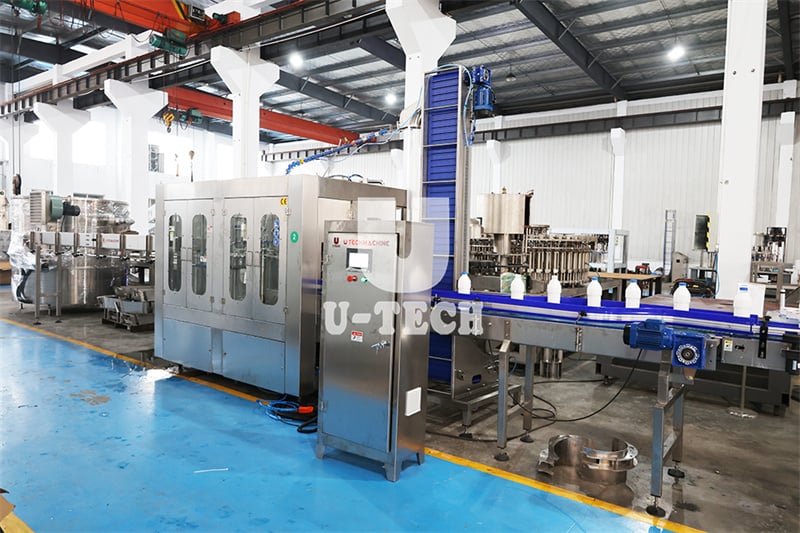
Ένα μηχάνημα γεμίσματος λαδιού είναι ένα ζωτικής σημασίας μηχάνημα τόσο στη βιομηχανία λιπαντικών όσο και στη βιομηχανία εσπεριδοειδών ελαίων, διασφαλίζοντας ότι τα προϊόντα συσκευάζονται αποτελεσματικά και με ακρίβεια. Για τους διευθυντές αγορών και τους χειριστές, η κατανόηση της σημασίας αυτού του μηχανήματος μπορεί να οδηγήσει σε σημαντικές βελτιώσεις της απόδοσης της παραγωγής και σε εξοικονόμηση κόστους. Αυτό το άρθρο θα εξετάσει λεπτομερώς γιατί ένα μηχάνημα γεμίσματος λαδιού είναι κρίσιμο για αυτές τις βιομηχανίες, τις προδιαγραφές που πρέπει να ληφθούν υπόψη, τους παράγοντες κόστους, τα απαραίτητα χαρακτηριστικά και τις εμπειρογνωμοσύνες ειδικών για τη βελτίωση της λειτουργικής απόδοσης.
Γιατί ένα Μηχάνημα Γεμίσματος Λαδιού είναι Απαραίτητο για Αποτελεσματικές Λειτουργίες
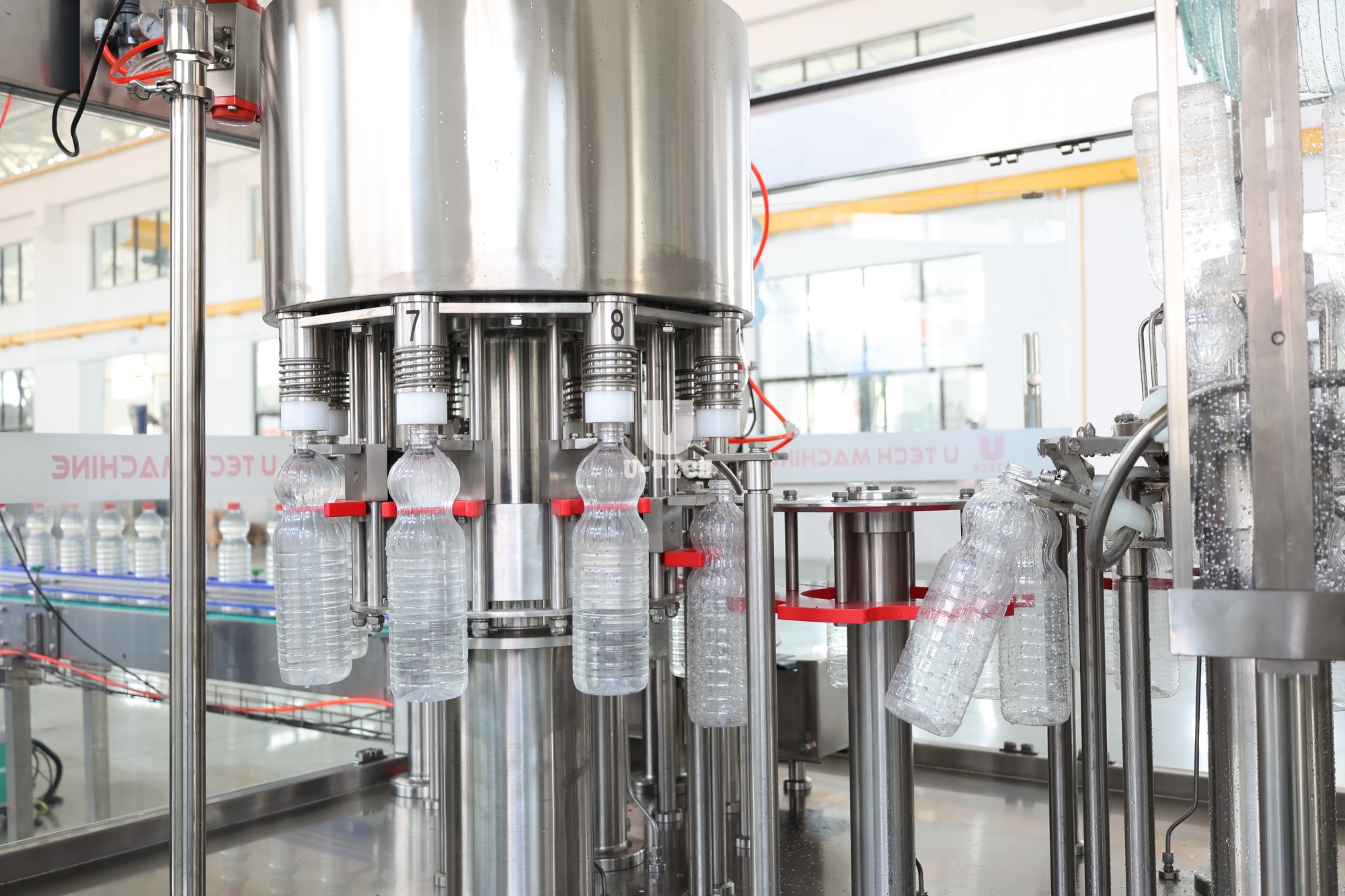
Στους τομείς των λιπαντικών και των εσπεριδοειδών ελαίων, η ανάγκη για ακριβείς διαδικασίες γεμίσματος δεν μπορεί να υπερεκτιμηθεί. Ένα μηχάνημα Γεμισμού Ελαίου διασφαλίζει σταθερά επίπεδα γέμισης, ελαχιστοποιεί τις απώλειες και μειώνει τη διαρροή προϊόντων, η οποία μπορεί να οδηγήσει σε σημαντικές οικονομικές ζημίες. Επιπλέον, η αυτοματοποίηση των εξοπλισμών γέμισης βελτιστοποιεί τις λειτουργίες, επιτρέποντας υψηλότερη παραγωγικότητα και μείωση του κόστους εργασίας.
Μια αξιόπιστη μηχανή γέμισης συμβάλλει επίσης στη διατήρηση της ποιότητας του προϊόντος, ελαχιστοποιώντας τους κινδύνους μόλυνσης που συνδέονται με τη χειροκίνητη χειριστική. Καθώς οι εταιρείες επιδιώκουν να ικανοποιήσουν την αυξανόμενη ζήτηση των καταναλωτών, ταυτόχρονα διασφαλίζοντας την τήρηση αυστηρών ρυθμιστικών προδιαγραφών, οι αποτελεσματικές διαδικασίες γέμισης γίνονται ουσιώδεις. Για παράδειγμα, μια μηχανή γέμισης λαδιού που έχει σχεδιαστεί για προϊόντα υψηλής ιξώδους μπορεί να βελτιώσει σημαντικά τις δυνατότητες παραγωγής, ενώ διασφαλίζει τη συμμόρφωση με τις βιομηχανικές ρυθμίσεις.
Βασικές προδιαγραφές που πρέπει να ληφθούν υπόψη κατά την επιλογή μηχανής γέμισης λαδιού
Κατά την επιλογή μηχανής γέμισης λαδιού, πρέπει να αξιολογηθούν διάφορες τεχνικές προδιαγραφές για να διασφαλιστεί η καταλληλότητά της για τη συγκεκριμένη εφαρμογή σας:
Εύρος όγκου συμπλήρωσης η μηχανή πρέπει να είναι σε θέση να διαχειριστεί τον όγκο λαδιού που προτίθεστε να γεμίσετε. Αυτό μπορεί να κυμαίνεται από μικρά μπουκάλια μέχρι μεγάλα κανάτια, ανάλογα με τις ανάγκες της αγοράς σας.
Ακρίβεια πλήρωσης η ακρίβεια είναι καθοριστικής σημασίας. Συνήθως απαιτείται ακρίβεια ±1% ή καλύτερη, προκειμένου να ικανοποιηθούν οι προσδοκίες των καταναλωτών και να μειωθεί η σπατάλη.
Ταχύτητα γεμισμού μετρούμενη σε μπουκάλια ανά λεπτό (BPM), αυτή η προδιαγραφή πρέπει να συμφωνεί με τους στόχους παραγωγής σας. Οι μηχανές που προσφέρουν ρυθμιζόμενες ταχύτητες μπορούν να προσφέρουν ευελιξία καθώς η ζήτηση μεταβάλλεται.
Υλική συμβατότητα τα εξαρτήματα της μηχανής πρέπει να κατασκευάζονται από υλικά που αντέχουν τις χημικές ιδιότητες του λαδιού που γεμίζεται. Το ανοξείδωτο χάλυβας είναι συνήθως η προτιμώμενη επιλογή λόγω της αντοχής και της ανθεκτικότητάς του στη διάβρωση.
Επίπεδο Αυτοματισμού ανάλογα με την κλίμακα λειτουργίας σας, μπορείτε να επιλέξετε ημιαυτόματες ή πλήρως αυτόματες μηχανές, οι οποίες μπορούν να μειώσουν σημαντικά το κόστος εργασίας και να βελτιώσουν την απόδοση.
Κανονιστική Συμμόρφωση βεβαιωθείτε ότι η μηχανή πληροί τα σχετικά πρότυπα και πιστοποιητικά της βιομηχανίας για την ασφάλεια των τροφίμων και των λιπαντικών, όπως τα πιστοποιητικά ISO ή GMP.
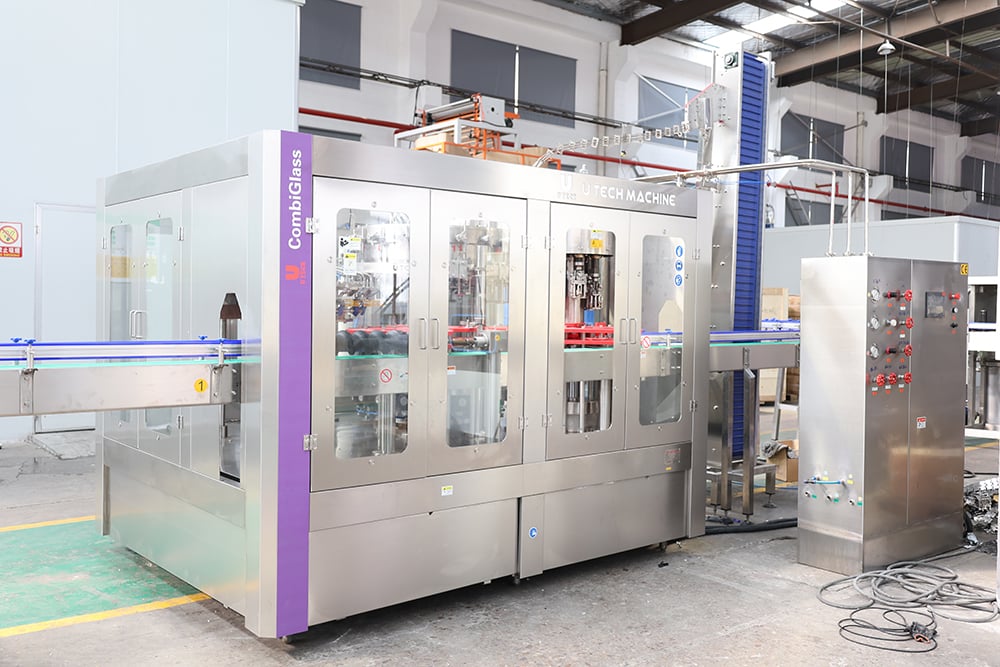
Με την προσεκτική εξέταση αυτών των προδιαγραφών, οι αγοραστές μπορούν να επιλέξουν ένα αυτοματική μηχανή γεμισμού λάδιου που ταιριάζει καλύτερα στις λειτουργικές τους απαιτήσεις.
Παράγοντες κόστους που πρέπει να αναλυθούν κατά την αγορά εξοπλισμού για γέμισμα λαδιού
Το συνολικό κόστος απόκτησης μιας μηχανής γέμισμα λαδιού εκτείνεται πέραν της αρχικής τιμής αγοράς. Διάφοροι παράγοντες συνεισφέρουν στο συνολικό επενδυτικό κόστος:
Τιμή μηχανής βασική τιμή: Η αρχική τιμή μπορεί να διαφέρει σημαντικά ανάλογα με τα χαρακτηριστικά και τις δυνατότητες. Βεβαιωθείτε ότι συγκρίνετε μοντέλα που πληρούν τις προδιαγραφές σας.
Κόστος εγκατάστασης εγκατάσταση: Λάβετε υπόψη τα έξοδα που σχετίζονται με την εγκατάσταση, συμπεριλαμβανομένων οποιωνδήποτε απαραίτητων τροποποιήσεων στην υφιστάμενη γραμμή παραγωγής σας.
Λειτουργικά Έξοδα συντήρηση: Λάβετε υπόψη τα συνεχιζόμενα έξοδα, όπως η συντήρηση, η κατανάλωση ενέργειας και τα ανταλλακτικά, τα οποία μπορούν να επηρεάσουν το συνολικό κόστος κατοχής της μηχανής.
Εκπαίδευση εκπαίδευση χειριστών: Εάν η μηχανή απαιτεί ειδικές γνώσεις, λάβετε υπόψη τα έξοδα που σχετίζονται με την εκπαίδευση των χειριστών για να διασφαλιστεί η ασφαλής και αποτελεσματική χρήση της.
Διακοπή λειτουργίας αξιολογήστε το δυνητικό αντίκτυπο της αδράνειας κατά την εγκατάσταση ή τη συντήρηση. Η επένδυση σε μία μηχανή με στέρεα φήμη για αξιοπιστία μπορεί να ελαχιστοποιήσει αυτά τα κόστη.
Μέσω μιας εκτενούς ανάλυσης κόστους, οι αγοραστές μπορούν να λάβουν ενημερωμένες αποφάσεις που συμβαδίζουν με τους προϋπολογισμούς τους και τις λειτουργικές τους ανάγκες.
Χαρακτηριστικά και Αξιοπιστία του Προμηθευτή
Όταν επιλέγετε έναν μηχανή γεμισμού φλιών με λάδι , είναι απαραίτητο να επικεντρωθείτε σε κρίσιμα χαρακτηριστικά που βελτιώνουν την απόδοση και την αξιοπιστία:
Φιλικό προς τον χρήστη περιβάλλον εύκολο στη χρήση πίνακας ελέγχου: Μία μηχανή με εύκολο στη χρήση πίνακα ελέγχου μπορεί να μειώσει τα λάθη των χειριστών και τον χρόνο εκπαίδευσης.
Επιτρέπει να ρυθμίζεται ρυθμιζόμενη ταχύτητα και όγκος γεμίσματος: Χαρακτηριστικά που επιτρέπουν εύκολες ρυθμίσεις του όγκου γεμίσματος και της ταχύτητας μπορούν να αυξήσουν την ευελιξία της γραμμής παραγωγής σας.
Μηχανισμοί Ελέγχου Ποιότητας συστήματα παρακολούθησης και ανίχνευσης: Ενσωματωμένα συστήματα που παρακολουθούν τα επίπεδα γεμίσματος και ανιχνεύουν ανωμαλίες στη διαδικασία παραγωγής μπορούν να βοηθήσουν στη διατήρηση υψηλών προτύπων ποιότητας.
Η αξιοπιστία του προμηθευτή είναι εξίσου σημαντική. Αναζητήστε κατασκευαστές με αποδεδειγμένο ιστορικό στον κλάδο, καθώς και θετικές κριτικές πελατών. Ένας προμηθευτής που παρέχει ολοκληρωμένη υποστήριξη — συμπεριλαμβανομένης της εγκατάστασης, της εκπαίδευσης και της μεταπωλητικής υπηρεσίας — μπορεί να μειώσει σημαντικά τους λειτουργικούς κινδύνους.
Εμπειρογνωμοσύνη για τη βελτίωση της απόδοσης με την τεχνολογία γεμίσματος λαδιού
Για να μεγιστοποιήσετε τα οφέλη από μια μηχανή γεμίσματος λαδιού, λάβετε υπόψη τις ακόλουθες εμπειρογνωμοσύνες:
Πραγματοποιήστε δοκιμές πριν από την παραγωγή : Πριν από τη μαζική παραγωγή, είναι κρίσιμο να δοκιμάσετε τη μηχανή με πραγματικά προϊόντα για να εντοπίσετε οποιαδήποτε δυνητικά προβλήματα. Αυτό διασφαλίζει ότι η διαδικασία γεμίσματος πληροί τα πρότυπα ποιότητάς σας.
Συνήθης συντήρηση : Καθορίστε ένα πρόγραμμα συντήρησης για να διατηρείται η μηχανή σε καλή λειτουργική κατάσταση. Η τακτική ελέγχου των σφραγίσεων, των βαλβίδων και των αισθητήρων μπορεί να αποτρέψει απρόβλεπτες βλάβες.
Βελτιστοποιήστε τη ροή εργασίας : Αναλύστε τη διάταξη της γραμμής παραγωγής σας για να ελαχιστοποιήσετε τα σημεία συμφόρησης. Η στρατηγική τοποθέτηση της μηχανής γεμίσματος λαδιού μπορεί να βελτιώσει τη ροή εργασίας και να μειώσει τους χρόνους χειρισμού.
Επενδύστε στην αυτομάτωση εάν είναι εφικτό, να ληφθεί υπόψη η ενσωμάτωση αυτόματων μηχανημάτων ετικέτας και καπακιών. Αυτό μπορεί να δημιουργήσει μια πλήρως αυτοματοποιημένη γραμμή συσκευασίας που αυξάνει την απόδοση και μειώνει το κόστος εργασίας.
Βρόχος Ανατροφοδότησης να ενθαρρύνονται οι χειριστές να παρέχουν σχόλια σχετικά με την απόδοση του μηχανήματος. Οι ενδοσκοπικές τους επισημάνσεις μπορούν να βοηθήσουν στον εντοπισμό τομέων βελτίωσης και να διασφαλίσουν ότι ο εξοπλισμός χρησιμοποιείται αποτελεσματικά.
Με την εφαρμογή αυτών των στρατηγικών, οι εταιρείες μπορούν να βελτιώσουν την απόδοση και την αποτελεσματικότητα των εργασιών γεμίσματος, οδηγώντας τελικά σε αύξηση της κερδοφορίας και της ικανοποίησης των πελατών.
Συνοψίζοντας, η κατανόηση του κρίσιμου ρόλου ενός μηχανή γεμισμού λίπους στις βιομηχανίες λιπαντικών και ελαίων μαγειρικής μπορεί να οδηγήσει σε ενημερωμένες αγοραστικές αποφάσεις. Με τη λήψη υπόψη βασικών προδιαγραφών, παραγόντων κόστους, απαραίτητων χαρακτηριστικών και εμπειρογνωμόνων συμβουλών, οι B2B αγοραστές μπορούν να βελτιστοποιήσουν τις λειτουργίες τους για καλύτερη απόδοση και κερδοφορία.
Περιεχόμενα
- Γιατί ένα Μηχάνημα Γεμίσματος Λαδιού είναι Απαραίτητο για Αποτελεσματικές Λειτουργίες
- Βασικές προδιαγραφές που πρέπει να ληφθούν υπόψη κατά την επιλογή μηχανής γέμισης λαδιού
- Παράγοντες κόστους που πρέπει να αναλυθούν κατά την αγορά εξοπλισμού για γέμισμα λαδιού
- Χαρακτηριστικά και Αξιοπιστία του Προμηθευτή
- Εμπειρογνωμοσύνη για τη βελτίωση της απόδοσης με την τεχνολογία γεμίσματος λαδιού