EN
EN


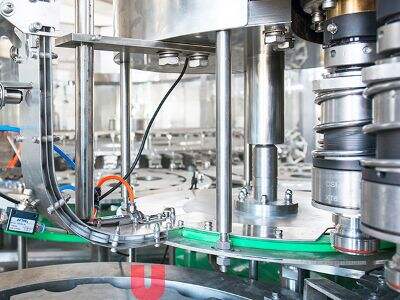
There are many, many challenges for makers when it comes to bottling sauces particularly keeping viscosity in check. Viscosity reflects how thick a liquid is. For sauces such as ketchup or barbecue, the viscosity can vary depending on temperature, ingredients and even how long it’s left to sit in a container. At U Tech, we know how difficult it can be to automate a sauce bottling machine for varying sauce viscosities. Secondly, if the sauce is too thick it won’t “travel” easily (i. e., get into a bottle). If the sauce is too thin, it could spill everywhere or not fill bottles correctly. It is a headache for manufacturers that want their products to appear beautiful and efficiently packaged.
What are the primary viscosity obstacles in automating sauce bottling?
A big issue with bottling sauces, however, is that they can have different thicknesses. For instance, a thick sauce such as ranch dressing runs more slowly than a thin sauce like soy sauce. A filling machine that isn’t appropriately adjusted for the thickness of the sauce could cause overfilling or spilling. This is not only messy; it takes time and money. Plus, sauces can vary in thickness according to their temperature. Sauces can sometimes lose consistency under heat or thicken when chilled. A machine must be taught what to do with these changes or else the whole bottling process could go awry. Another problem is the ingredients. Like chipotle and other spices? Other sauces have pieces of things in them too. These can clog the machine, preventing the sauce from passing through. The sauce bottling equipment might not be able to process those chunks at all, which could cause clogs and breakdowns. So, it is important for the machine to have a way to correct for that.
Where to Get Answers for Viscosity Control in Sauce Filling Equipment?
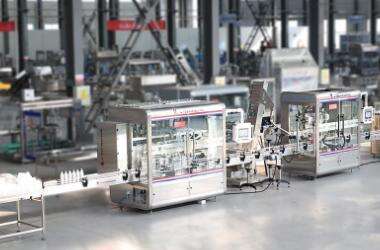
So you need to search for solutions on how to control viscosity in sauce bottling machineries? Technology is one of the ways to address this issue. U Tech designs machines with sensors built into them. These sensors can be used to monitor the thickness of sauce in situ. When the sauce changes, machinery can calibrate for that on its own. This is what contributes to the consistency in quality on each bottle. Training staff to intuit how viscosity works can help, too. Workers should also be able to fine-tune the machines for various sauces. That it is consistently maintained is also important.
Most Common Viscosity Issues in Sauce Manufacturing & How to Solve Them
And finally, different sauces may require different kinds of equipment. For instance, a thick barbecue sauce requires a different sauce bottle filling machine than a thin salad dressing. U Tech specializes in equipment to process a variety of viscosities. By selecting the appropriate equipment, workers can ensure that their sauce is exactly the right thickness each and every time.
What are the Advantages of Automating Viscosity in Bottling?
The advantages of automating viscosity management when bottling sauces are many. That is, it helps the whole process go more quickly. When machines fill the bottles, it’s faster than doing so by hand. This results in more bottles filled per length of time. That’s a big advantage for a company like U Tech; it can respond efficiently to the public appetite for sauces.