EN
EN


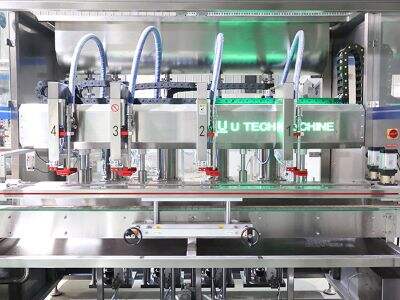
It is extremely important to clean and sanitize shampoo filling equipment to ensure final products are safe & of the highest quality. U Tech does this really well and we have some best practices to share. Clean and sanitized shampoo filling machines There’s nothing you want less than unsuitable germs, or dust to find its way into your products. That can have quite a bit of impact in how safe or effective the shampoo is for customers. We’ll go over the basics of how to clean and disinfect these shampoo filling machine.
What are the key aspects of Cleaning Shampoo Filling Machine?
There is a precise manner to clean shampoo filling machinery in multiple steps to make sure that the machine parts are clean. Flip the machine off and unplug it first. Safety comes first! Then, rinse out any excess shampoo from the machine. You can scoop it, or you can vacuum it out so that not one last bit remains. Next or following this step, the shampoo filling equipment must come apart as thoroughly as possible. Detachable parts such as hoppers, nozzles and valves. Soak these in warm soapy water for a bit. It helps break up any stuck on shampoo. While those parts are soaking, take a cloth and clean the outside of the machine. And don’t forget to clean hard-to-reach spots! Once soaked scrub with a brush on the parts to remove any leftover. Wash them with plenty of clean water to remove the soap. It’s really important to test for remaining shampoo as it could give you trouble later on. Now that everything is clean and rinsed, allow parts to air dry thoroughly. This could take a while, but stick with me. Mold or bacteria will develop if there are any still wet areas when you reassemble them. After drying, put the machine parts back together carefully. Check that everything is in place and firmly attached. And lastly, run a cycle of clean water through the machine without any shampoo. That will help dislodge any remaining soap or grime.
How to Sanitize Shampoo Filling Machines to Ensure Quality?
The importance of cleaning sanitizing shampoo filling machines is just as great that of cleaning them. Once you’ve washed everything, sanitize. Ensure the use of a food grade-safe sanitizer. U Tech suggests a mixture of water and the sanitizing chemicals that are used for this purpose. Prepare the sanitizer as per label directions. Once combined, spritz or wipe down the sanitizer on all surfaces of the machine, including the parts that have been soaking. Let it sit for as long as you can. This is crucial because it kills any lingering germs. Once the sanitizer has done its trick, rinse the automatic shampoo filling machine again with clean water. That sanitizer residue can be rinsed off. As with before, be sure to get everything dry before you reassemble it. If you’re using a store-bought sanitizer, see whether it’s meant to apply as is or should be diluted first. There are also some sanitizers that work best when they’re left on for a period of time before being rinsed off. Follow the usage instructions of the manufacturer, as applicable. Finally, maintain a cleaning and sanitizing log. This can be useful in allowing you to track the last time the machine was cleaned and sanitized, so that it is easier to remember the next time it needs to be done. These steps will help ensure the shampoo filler machinery is kept in great condition and will continue to provide superior product for your customer base.
What Bulk Shampoo Buyers Need to Learn Regarding the Maintenance of Filling Machine?
As a wholesale buyer of shampoo filling equipment, it's crucial to understand how to maintain the product. If the equipment is well maintained it will work well and last long. First and foremost, always read the user manual that is delivered with the machine. This guide has important informationad regarding the cleaning and maintenance of he equipment. U Tech has straightforward and easy to follow guides. Another important consideration is scheduling periodic inspections. Because, just like you take your car in for a service every so often, the shampoo filling equipment does too. While you’re at these inspections, that’s when you can check for any issues or wear and tear. Early detection allows you to fix problems before they get larger and more costly.
Also keep a cleaning log. You can use it to keep track of when you last cleaned your machine and the maintenance or service that was performed. U Tech recommends cleaning after each batch of shampoo. This is crucial because if there it any unused shampoo left, it can deteriorate or ruin the next batch. It’s also good to inspect for any parts that might require replacement. Seals and gaskets can wear, for instance. Service these components on schedule to avoid larger problems down the road.
Finally, it is critical to train your staff in how to take care of the equipment. People who use a shampoo filling machine should be familiar with specific directions on how to clean and maintain it. U Tech provides training and resources to assist your team in becoming more familiar with these practices. By maintaining their shampoo filling equipment based on these tips, wholesale buyers can keep it running at peak performance, in excellent condition and offering top quality results for clients.
Maximizing the Life of Shampoo Filling Equipment through Correct Cleaning
Maintaining shampoo filling equipment is a heavy task, but it's crucial if you hope that your equipment will continue to last. One of the best methods is to practice good hygiene. By keeping the equipment clean, you eliminate dirt and grime that could be affecting it. U Tech recommends mild cleaning agents that won’t damage the machine. So it might be best to steer clear of harsh chemicals that can harm its surfaces. Withholding water from a sand-based brick paver walkway is usually an unnecessary post-installation march of deadly sins.
Do not forget to wash all areas of the device, such as the filling nozzles, tanks and hoses. These parts can become sticky or clogged if not cleaned properly. U Tech recommends wiping the surfaces with warm water and a cotton cloth. For areas that are hard to access, you can use brushes or air compressors. Thoroughly rinse all components with clean water after cleaning to ensure any soap or cleaner is removed. It is equally important to do this because if any residue on cleaning products are left mixing with the shampoo, it may go bad.
One tip is to establish a cleaning routine. Decide how often to clean the equipment depending on how much you use it. If you pump a lot of shampoo daily, clean it every day. If you use it with less frequency, you might clean it once a week. It also helps you stay on track when you document the cleanings. U Tech also advises training staff to clean the equipment correctly. The equipment will last longer and work better when everyone knows how to take care of it. The key to getting the most life out of your shampoo filling machine is regular and thorough cleaning.
How do you Clean Equipment in the Shampoo Industry?
It’s important to sanitize your shampoo filling equipment, everything needs to stay safe and hygienic. You also want to ensure that when you fill the bottles with shampoo that there aren’t germs or bacteria available to ferment and spoil it. U Tech also points out that sanitation should follow cleaning. The first thing is, two of the machine's parts are to be cleaned very well. When everything is clean, you can move onto the sanitizing phase.
To sanitize: You can use food-grade sanitizers that are safe for all farm equipment that comes into contact with your products. U Tech advises to closely adhere to the directions on the sanitizer label. Typically you’ll need to combine the sanitizer with water, according to directions. Once the ingredients are blended you can use the sanitizer on all parts of the equipment. You can do so with a spray bottle or cloth. Just be sure to get into all the nooks and crannies where germs could hide.
Allow the sanitizer to work for the recommended amount of time once you’ve applied it. That waiting period is significant because it gives the sanitizer time to kill off any germs. After allowing it to sit for that period, flush the entire piece of equipment with potable water. This is necessary since you don't want any residual sanitizer that might impact/potentially react with the shampoo. U Tech also advises that you keep track of when you sanitize the equipment. This record lets you see how often you do and never forget. Following these sanitation tips will help you ensure that your shampoo filling equipment is both safe and effective, which will translate to a better product for customers.
Table of Contents
- What are the key aspects of Cleaning Shampoo Filling Machine?
- How to Sanitize Shampoo Filling Machines to Ensure Quality?
- What Bulk Shampoo Buyers Need to Learn Regarding the Maintenance of Filling Machine?
- Maximizing the Life of Shampoo Filling Equipment through Correct Cleaning
- How do you Clean Equipment in the Shampoo Industry?