EN
EN


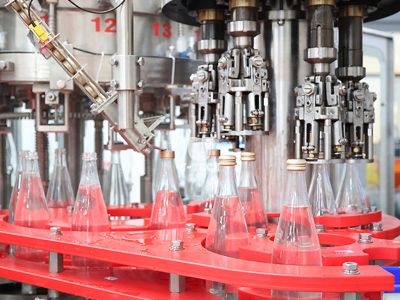
تبدأ استراتيجية التعبئة السائلة الكاملة بالماكينة المناسبة لتعبئة المشروبات. ويُعد اختيار ماكينة تعبئة المشروبات المناسبة أمراً جوهرياً للمصنّعين الذين يسعون إلى تبسيط عمليات التعبئة لديهم وتحقيق متطلبات السوق. وغالباً ما يواجه المشترون مخاوف تتعلق بمواصفات الماكينة وموثوقيتها وكفاءة العمليات الإنتاجية ككل. وسترشدك هذه المقالة خلال الاعتبارات الأساسية لاختيار ماكينة التعبئة، وأفضل الطرق للعثور على موردين موثوقين، وإرشادات التركيب، وإجراءات ضبط الجودة، والمشكلات الشائعة التي تطرأ في معدات تعبئة المشروبات .
كيف تختار آلة تعبئة المشروبات المناسبة لاحتياجاتك؟
يتطلب اختيار آلة تعبئة المشروبات المناسبة تقييم عوامل مختلفة استنادًا إلى متطلبات التشغيل المحددة لديك. ومن الجوانب الرئيسية التي يجب أخذها في الاعتبار نوع السائل المراد تعبئته، وشكل العبوة، والطاقة الإنتاجية، وتوافق الآلة مع المعدات الموجودة مسبقًا.
نوع السائل يجب أن تكون آلة التعبئة مناسبة لخصائص السائل، سواء أكان ماءً أو عصيرًا أو مشروبات غازية. فعلى سبيل المثال، تتطلب المشروبات الغازية آلات قادرة على التعامل مع الضغط ومنع تكون الرغوة أثناء عملية التعبئة.
القدرة الإنتاجية حدد الإنتاج المتوقع بالزجاجات في الساعة. وسيؤثر ذلك في اختيارك بين أنظمة التعبئة شبه الآلية والآليّة بالكامل. وينبغي على المصنّع أن يقيّم مدى انسجام الطاقة الإنتاجية مع أهدافه الإنتاجية العامة.
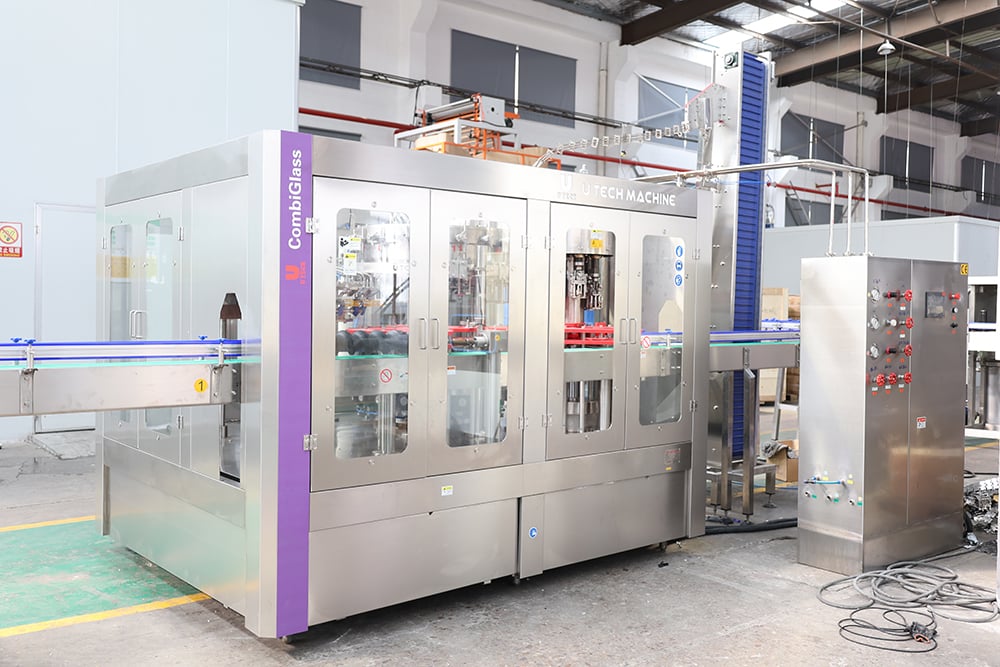
شكل التغليف خذ في الاعتبار أنواع الحاويات التي ستستخدمها: الزجاج أو البولي إيثيلين تيريفثاليت (PET) أو الألومنيوم، لأن كل مادة قد تتطلب تقنيات مختلفة في المعالجة والتعبئة. فعلى سبيل المثال، قد تحتاج بعض التطبيقات إلى آلات نفخ زجاجات البولي إيثيلين تيريفثاليت (PET)، والتي يجب دمجها مع خط التعبئة.
احتياجات التخصيص قد يحتاج بعض المصنّعين إلى حلول مخصصة لدمج وظائف محددة، مثل وضع الملصقات أو إغلاق العلب. ولذلك، فإن فهم احتياجاتك من التخصيص منذ البداية يساعد في اختيار آلة تدعم هذه المتطلبات.
اعتبارات الميزانية ورغم أنَّ الانجذاب نحو أدنى سعر قد يبدو جذّاباً، فمن الضروري أخذ تكلفة الملكية الإجمالية في الاعتبار، وهي تشمل الصيانة وقطع الغيار والكفاءة التشغيلية. فقد تقدِّم الآلة الأغلى سعراً موثوقية أعلى وتكاليف تشغيل أقل على المدى الطويل.
أين تجد مورِّدين موثوقاً بهم لماكينات تعبئة المشروبات؟
العثور على موردٍ موثوقٍ لآلات تعبئة المشروبات يمكن أن يؤثر تأثيرًا كبيرًا في كفاءة إنتاجك وموثوقيته. ابدأ بالبحث عن الشركات المصنِّعة التي أثبتت سجلًّا حافلًا في هذا المجال. وفيما يلي بعض النصائح للعثور على موردين مرموقين:
الجمعيات الصناعية والمعارض التجارية حضور المعارض التجارية المتخصصة في معالجة وتعبئة المشروبات يوفِّر لك وصولاً مباشرًا إلى الشركات المصنِّعة وأحدث تقنياتها. وغالبًا ما تحتفظ روابط القطاع بقوائم لمورِّدين معتمدين.
البحث عبر الإنترنت استخدم منصات مثل لينكدإن والمنتديات المتخصصة في المجال و مواقع المراجعات للحصول على انطباعات وتوصيات من شركات أخرى تعمل في قطاعك. وابحث عن مورِّدين يتسمون بتغذية راجعة إيجابية من العملاء وحضورٍ رقميٍّ قويٍّ.
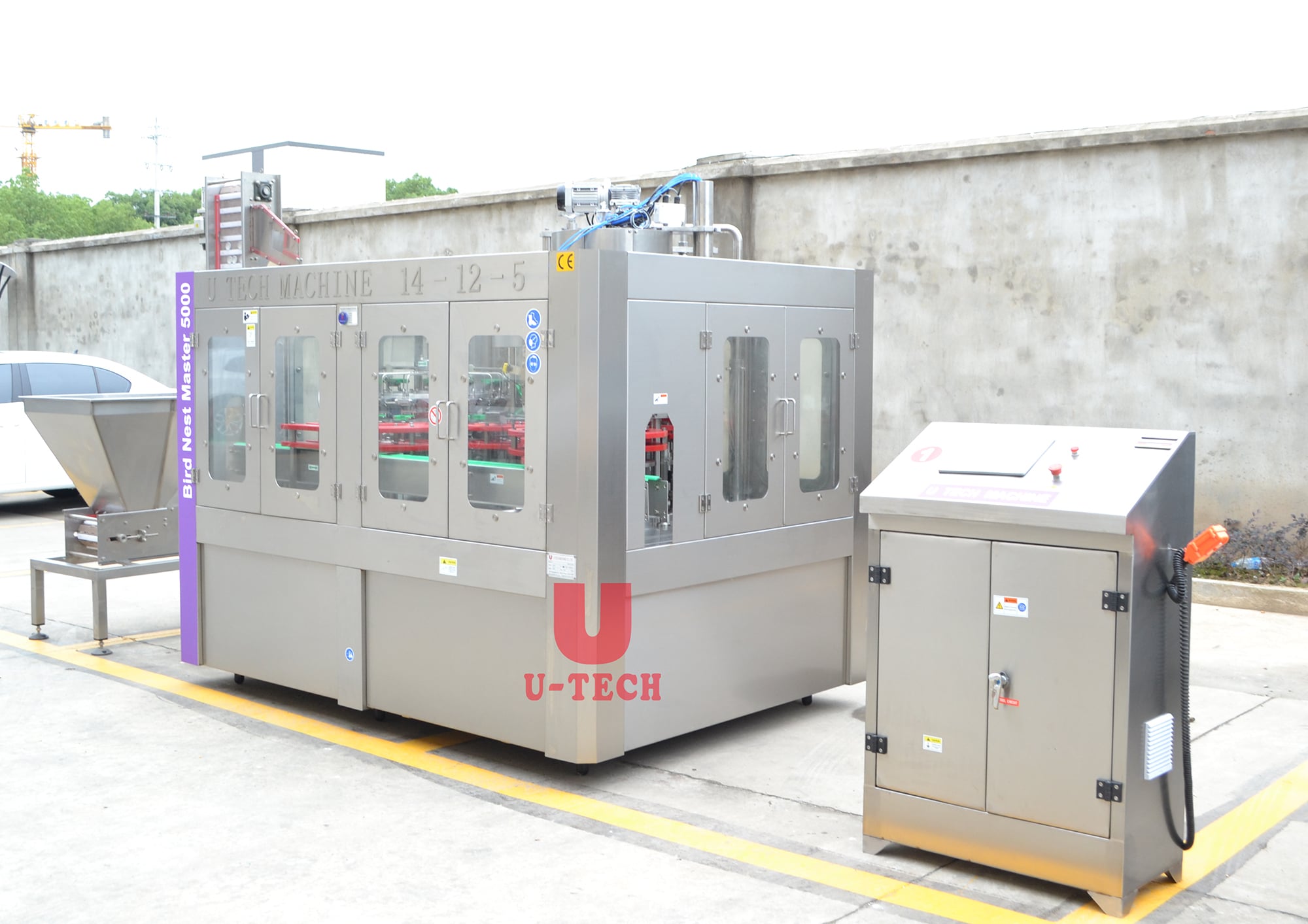
طلب العروض (RFPs) بعد تحديد المورِّدين المحتملين، أرسل إليهم طلبات عروض تفصِّل متطلباتك. فهذا لا يساعدك فقط في تقييم سرعة استجابتهم، بل يمكِّنك أيضًا من مقارنة العروض المقدَّمة بناءً على السعر والخدمة و ماكينة تعبئة المشروبات المواصفات
زيارة المورِّدين إذا أمكن، نظِّم زيارات ميدانية إلى مرافق المورِّدين المحتملين. فهذا يمنحك رؤية مباشرة لقدراتهم التصنيعية وعمليات مراقبة الجودة والتشغيل العام. كما يُعَدُّ فرصةً لمناقشة خيارات التخصيص مباشرةً.
الدعم التقني والخدمات افضِل المورِّدين الذين يقدمون دعماً فنياً شاملاً وتدريباتٍ على تشغيل الآلة. ويمكن أن يقلِّل نظام الدعم القويُّ من وقت التوقف عن العمل بشكلٍ كبيرٍ ويضمن سير التشغيل بسلاسة.
إرشادات التركيب لمجموعة آلة تعبئة المشروبات الجديدة الخاصة بك
يُعدُّ تركيب آلة تعبئة المشروبات الخاصة بك بشكلٍ صحيحٍ أمراً حاسماً لتحقيق الأداء الأمثل. وإليك دليلاً خطوةً بخطوةً لكفالة إنجاز عملية التركيب بنجاح:
تحضير الموقع قبل التركيب، تأكَّد من أن الموقع يستوفي متطلبات المساحة والبيئة الخاصة بالآلة. ويشمل ذلك توفر إمداد كهربائي كافٍ ونظام تصريف ومنشآت تهوية مناسبة.
تعليمات التجميع اتبع تعليمات التجميع الصادرة عن الشركة المصنِّعة بدقة. وكل خط تعبئة المشروبات قد تتطلب الآلة متطلبات فريدةً للتثبيت، وقد يؤدي التجميع غير الصحيح إلى مشكلات تشغيلية.
المعايرة بعد التثبيت، قم معايرة الآلة وفقًا للمواصفات المذكورة في الدليل. ويشمل ذلك ضبط أحجام التعبئة والسرعة وغيرها من المعايير التشغيلية لتتوافق مع متطلبات المنتج.
اختبار أجري اختبارات تشغيل أولية للتحقق من أداء الآلة. وراقب اتساق أحجام التعبئة وافحص وجود أي تسريبات أو مشكلات أثناء التشغيل.
تدريب المشغلين تأكد من تدريب طاقم العمل تدريبًا شاملًا على تشغيل الآلة وصيانتها. وهذا يساعد في اكتشاف المشكلات المحتملة مبكرًا ويقلل من خطر توقف التشغيل.
إجراءات الرقابة على الجودة في إنتاج آلات تعبئة المشروبات
يُعد الحفاظ على معايير جودة عالية في إنتاج آلات تعبئة المشروبات أمرًا بالغ الأهمية لضمان سلامة المنتج والامتثال لأنظمة القطاع. نفّذ إجراءات الرقابة على الجودة التالية:
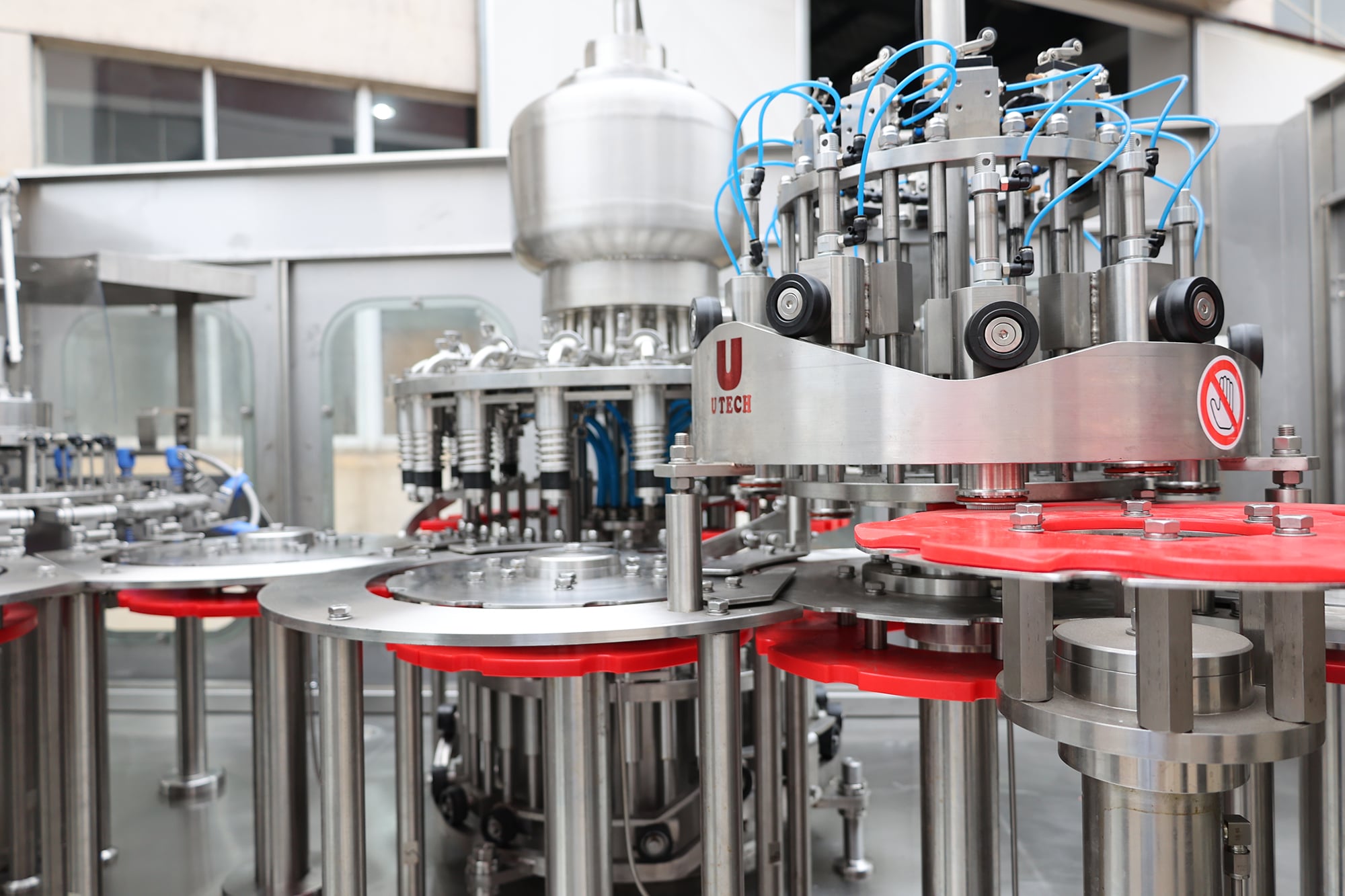
اختيار المواد التأكد من أن جميع المواد المستخدمة في الجهاز متوافقة مع معايير سلامة الأغذية. فعلى سبيل المثال، يساعد استخدام مكونات من الفولاذ المقاوم للصدأ في منع التلوث والتآكل.
عمليات التفتيش الدورية إجراء عمليات تفتيش دورية أثناء عملية التصنيع للكشف عن العيوب أو الانحرافات عن المواصفات. ويشمل ذلك التحقق من المحاذاة والمعايرة والنظافة في المناطق الحرجة.
اختبار الأداء قبل الشحن، يجب إخضاع كل جهاز لاختبارات أداء للتحقق من امتثاله للمواصفات المُعلَّنة. وقد تشمل هذه الاختبارات اختبارات التعبئة في ظروف تشغيل مختلفة لضمان الموثوقية.
الوثائق الاحتفاظ بسجلات تفصيلية لعمليات تفتيش الجودة والاختبارات وأي تعديلات تمت أثناء الإنتاج. وتُعد هذه الوثائق ضرورية لتتبع المنتج ويمكن الاستفادة منها لتحسين دورات الإنتاج المستقبلية.
تدقيق ما بعد التركيب بعد التثبيت، قم بإجراء عمليات تدقيق لضمان تشغيل الجهاز وفقاً للغرض المقصود. ويشمل ذلك مراجعة دقة التعبئة والكفاءة التشغيلية، مما يسمح بإجراء التعديلات عند الحاجة.
المشاكل الشائعة في آلات تعبئة المشروبات وحلولها
قد تواجه آلات تعبئة المشروبات مشاكل متنوعة قد تعطل الإنتاج. ويساعد فهم هذه المشاكل الشائعة وحلولها في الحد من أوقات التوقف:
أحجام تعبئة غير متسقة قد يكون السبب في ذلك هو عدم ضبط المعايرة بشكل صحيح أو اهتراء فوهات التعبئة. تحقق بانتظام من إعدادات المعايرة واستبدل الفوهات عند الحاجة للحفاظ على الدقة.
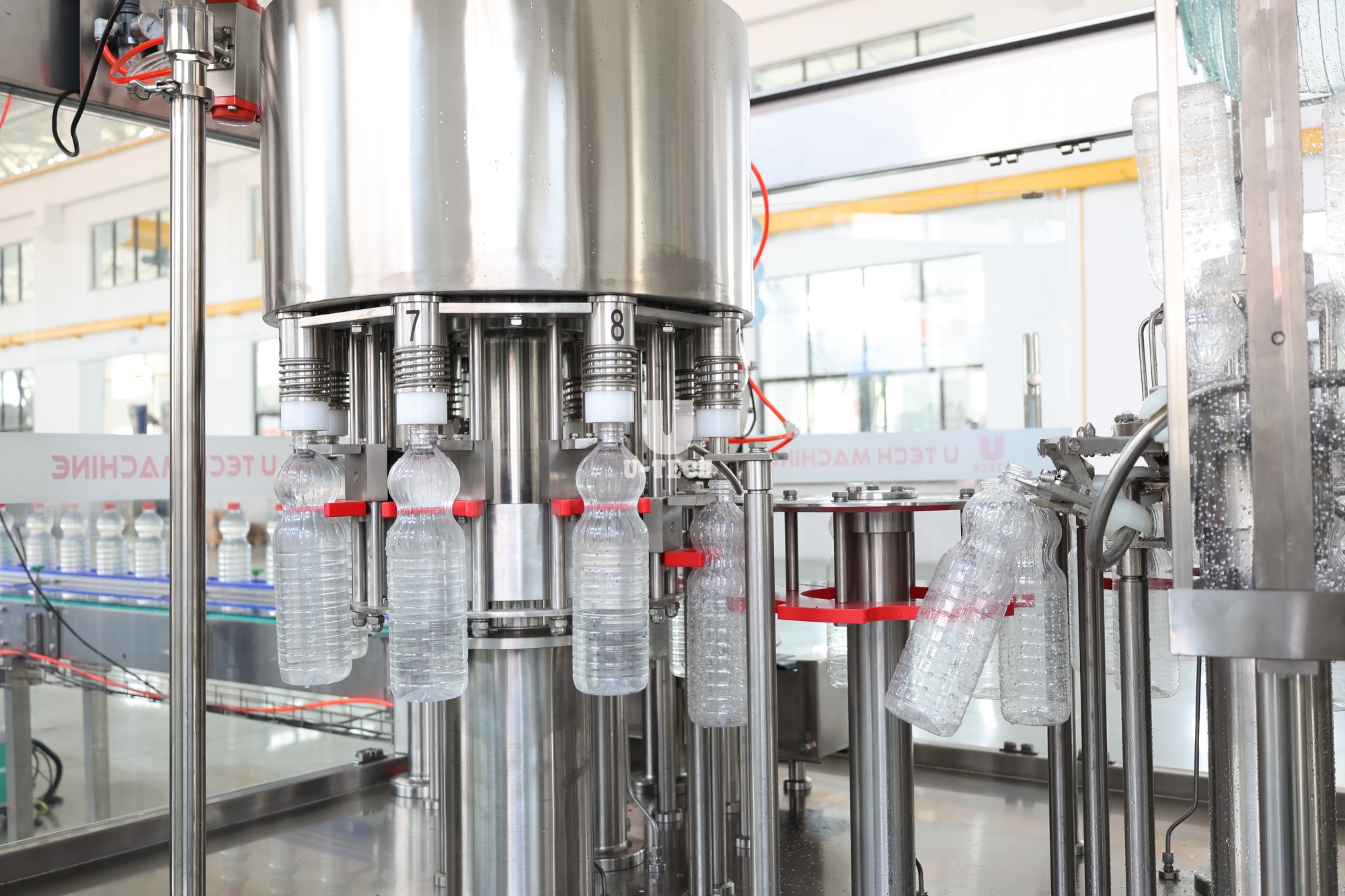
الرغوة أثناء التعبئة قد يحدث التفّوم في المشروبات الغازية بسبب سرعة التعبئة العالية أو تصميم الفوهة غير المناسب. ويمكن التخفيف من هذه المشكلة عن طريق تعديل سرعة التعبئة واستخدام فوهات مقاومة للتفّوم.
الزجاجات المتسربة قد تنتج التسريبات عن ضعف عملية الإغلاق أو تلف الحاويات. فاحص آليات الإغلاق بانتظام وتأكد من سلامة الزجاجات قبل التعبئة.
أعطال الآلات قد تحدث انسدادات بسبب عدم محاذاة المعدات أو وجود عوائق في خط التعبئة. وينبغي تنفيذ فحوصات صيانة دورية، وضمان تدريب المشغلين على تحديد الانسدادات وحلها بسرعة.
عطل البرمجيات تُدار العديد من ماكينات التعبئة الحديثة بواسطة برامج قد تتعرض لخلل تقني. ومن الضروري تحديث هذه البرمجيات وصيانتها بانتظام لمنع حدوث مشكلات تشغيلية.
وبفهم هذه المشكلات الشائعة واتخاذ إجراءات استباقية، يمكنكم تعزيز موثوقية ماكينات تعبئة المشروبات الخاصة بكم، مما يضمن سير عملية الإنتاج بسلاسة أكبر وجودة أعلى للمنتج.